


Spring Break in Corpus Christi: DWI, Boating, and Personal Injury Risks for Visitors and Locals
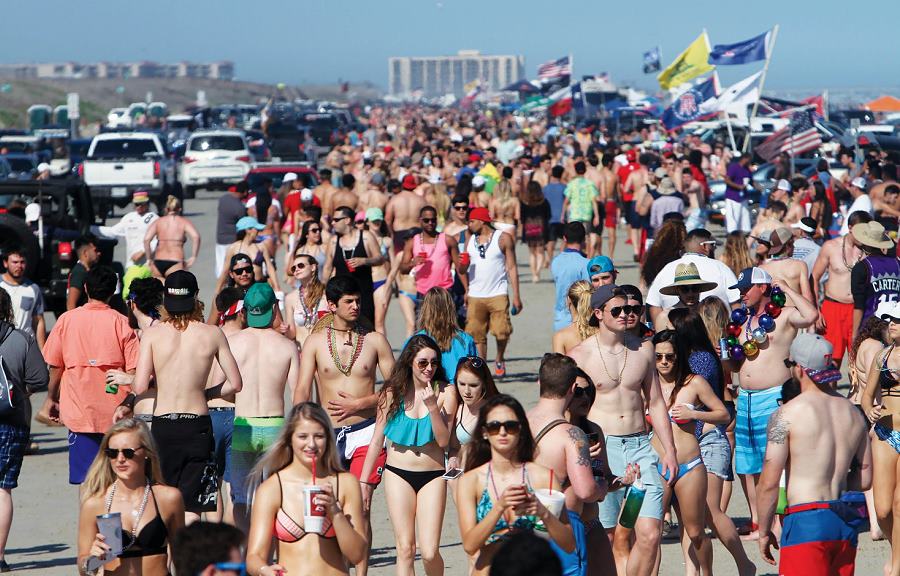
Spring Break on North Padre Island and along the Corpus Christi bayfront brings a population surge unlike anything else the Coastal Bend sees during the year — and a corresponding spike in arrests, citations, and injuries that’s noticeably different from the general summer tourist season. Many of the people involved are minors or young adults experiencing their first encounter with the criminal justice system, often far from home, and the legal issues that come up during this specific window have their own patterns.
Why Spring Break Creates a Different Risk Profile Than Summer
General summer tourism brings families and a broad age range of visitors. Spring Break skews heavily toward college-age and high school-age visitors, often without parents present, concentrated into a shorter window of a few intense weeks. Law enforcement responds accordingly, with enforcement priorities during Spring Break often focused specifically on underage drinking, in addition to the standard DWI enforcement that applies year-round.
DUI by a Minor: Texas’s Zero-Tolerance Law
This is one of the most misunderstood laws among visiting families, and it catches a lot of young people off guard. Texas Alcoholic Beverage Code § 106.041 makes it an offense for a minor — anyone under 21 — to operate a motor vehicle with any detectable amount of alcohol in their system. This is a fundamentally different and much stricter standard than the 0.08 BAC threshold that applies to adult DWI under Penal Code § 49.04. A minor doesn’t need to be “drunk,” or even close to it, to be charged — any detectable alcohol at all is sufficient.
A first offense under this statute is typically a Class C misdemeanor with a fine, but it also carries a mandatory driver’s license suspension, and the consequences can escalate for repeat offenses. For a 19 or 20-year-old who’s never had any contact with law enforcement, a citation under this statute during Spring Break can be a genuinely confusing and frightening first experience with the system — and one that affects their driving privileges regardless of how minimal the actual impairment was.
Minor in Possession of Alcohol
Separate from driving, Texas Alcoholic Beverage Code § 106.05 makes it an offense for a minor to possess an alcoholic beverage, with limited exceptions. This is one of the most commonly issued citations during Spring Break, simply because of how visible alcohol consumption is among the crowds on the beach and along the seawall, and how actively it’s enforced during this specific period. A minor-in-possession citation is generally a lower-level offense than a DUI by a minor charge, but it still creates a record and, for visiting students, can raise issues with school disciplinary policies depending on the institution.
DWI Enforcement During Spring Break
For drivers 21 and over, standard DWI law under Penal Code § 49.04 applies, and — similar to the summer enforcement patterns discussed elsewhere — Spring Break is a period of significantly increased patrols, particularly along the routes connecting Padre Island to the mainland, including the JFK Causeway, and along the bar and restaurant corridors near the beach. The same principles that apply to summer DWI enforcement apply here: Texas doesn’t use checkpoints, officers need reasonable suspicion for a stop, and “No Refusal” procedures may be in effect during this period as well.
Dram Shop Liability: When a Bar or Venue Shares Responsibility
Texas Alcoholic Beverage Code § 2.02 establishes what’s commonly called “dram shop” liability — the idea that a business that sells or serves alcohol can be held liable for damages caused by an intoxicated patron, but only under specific circumstances. Generally, liability requires that the provider sold or served alcohol to someone who was obviously intoxicated to the point of presenting a clear danger to themselves or others, and that this was a proximate cause of the resulting damages — or that the provider served a minor.
During Spring Break, with bars and venues operating at capacity and serving large volumes of alcohol to young, often inexperienced drinkers, dram shop issues come up more frequently than during quieter periods. If a DWI crash, an assault, or another injury-causing incident involved a business that continued serving an obviously intoxicated patron, or served alcohol to a minor, that business’s own potential liability is a separate legal question from the liability of the intoxicated individual themselves.
Pedestrian, Golf Cart, and Beach Traffic Accidents
The combination of heavy pedestrian traffic, vehicles (including golf carts and other low-speed vehicles that are common on the island), and large crowds moving between the beach, parking areas, and rental properties creates a meaningful increase in pedestrian-involved accidents during Spring Break. These cases are evaluated under standard Texas negligence principles, but the practical challenges — identifying the responsible vehicle in a crowd, locating witnesses who may be visitors who’ve already left town, and dealing with injuries that occurred in chaotic, crowded conditions — are often more significant than in a typical pedestrian accident case.
Balcony Falls and Premises Liability at Hotels and Rentals
Falls from hotel balconies and short-term rental properties are a recurring and serious category of Spring Break injury, often involving alcohol, crowding on balconies not designed for large groups, and railings or structures that may not meet current safety standards. These cases are generally evaluated as premises liability claims against the property owner or management company, focused on whether the property met applicable safety codes and whether known hazards — an unstable railing, for example — were addressed.
What to Do If You or Your Child Is Cited or Injured
If you or your child receives a citation during Spring Break — particularly a DUI by a minor or minor-in-possession charge — it’s worth taking seriously even though it may feel like “just a ticket.” These citations carry real consequences, including license suspensions for alcohol-related driving offenses involving minors, and how they’re handled can affect a young person’s record going into college applications, professional licensing, or future background checks.
If you or a family member has been injured, or cited, during Spring Break in the Corpus Christi or Padre Island area, Barton & Associates offers free, confidential consultations — available 24 hours a day — to help you understand your options, even if you’re returning home before the situation is resolved. Call our Corpus Christi office at 361-800-6780.





