Motorcycle Accident Claims in San Antonio: Investigation, Rider Rights and Fault
A motorcycle crash is decided under the same Texas negligence rules as any other collision, but the facts and the arguments are different. A rider has no frame or airbags, so injuries are often severe, and insurers frequently start from the assumption that the rider was speeding, splitting lanes or going without a helmet. Texas law gives a motorcycle the full use of its lane, and it requires turning, merging and entering drivers to yield. An auto accident attorney in San Antonio can explain the rules that apply to every crash, and our general guide covers them. This page covers what is specific to riders: how a motorcycle crash is investigated, what the law says about lanes and helmets, how insurers assign blame and which insurance applies.
It applies to riders and passengers, and to families who have lost someone in a motorcycle crash.
How a Motorcycle Crash Is Investigated in San Antonio
The official record usually starts with the officer’s crash report. An officer who investigates a crash that caused injury or death, or apparent property damage of $1,000 or more, must file a written report within 10 days (Transportation Code Section 550.062). A person involved in the crash can buy a copy of the Texas Peace Officer’s Crash Report, Form CR-3, through the Texas Department of Transportation’s Crash Report Online Purchase System. The report records the officer’s diagram, the contributing factors the officer chose and the witnesses listed.
The report is not the last word. The officer arrives after the crash, may not have seen it, and sometimes records a conclusion about fault that the physical evidence does not support. A report that lists the rider as a contributing factor is a reason to preserve evidence quickly, not a reason to give up. These are the items that decide most rider cases.
- The motorcycle. The damage pattern shows the angle of impact and helps show speed. Do not repair it, sell it or let it be sent to a salvage yard before it has been photographed and inspected.
- Your helmet and riding gear. Scrapes and cracks show how you landed and where you were struck. Keep them as they are.
- The scene. Photograph lane markings, skid and scrape marks, debris, signs, sight lines, and any gravel, oil, potholes or construction. Marks on the pavement fade within days.
- Video. Businesses, homes, traffic cameras, other drivers’ dash cameras and your own helmet camera may hold the crash. Many systems record over footage within days, so ask for it quickly.
- Vehicle data and phone records. Some vehicles record speed and braking before a crash, and phone records can show distraction. A lawyer can send a preservation letter asking the driver and the vehicle owner to keep both.
- Witnesses and medical records. Names and phone numbers of anyone who saw the crash, and the EMS, emergency room and follow-up records that tie your injuries to it.
Rider Rights Under Texas Law: Full Use of the Lane
Under Transportation Code Section 545.0605, which took effect September 1, 2023, the operator of a motorcycle is entitled to the full use of a lane, and a motor vehicle may not be driven in a manner that deprives a motorcycle of the full use of a lane. Two motorcycles may ride two abreast in one lane. The same section sets limits on riders: no more than two abreast in a lane, no operating a motorcycle between lanes of traffic moving in the same direction, and no passing a motor vehicle while in the same lane as the vehicle being passed.
That last set of limits is where insurers focus. An adjuster who says you were splitting lanes is claiming that you rode between lanes of traffic. Where you were, where the other vehicles were and what the video shows are the facts that answer it. A rider in a lane of their own, with a driver moving over into the rider’s space, is in a different position from one who was between two lines of cars.
Driver Duties Behind Most Motorcycle Crashes
- Left turns. A driver turning left at an intersection or into an alley, private road or driveway must yield to an oncoming vehicle that is in the intersection or close enough to be a hazard (Section 545.152). This is the most common way a driver turns into a rider’s path.
- Stop signs, yield signs and uncontrolled intersections. A driver required to yield who collides with a vehicle entitled to the right-of-way is presumed not to have yielded (Section 545.151).
- Lane changes and merging. On a road with two or more marked lanes, a driver must stay as nearly as practical in one lane and may not move out of it unless the move can be made safely (Section 545.060). A driver who changes lanes into a rider’s space has not made the move safely.
- Driveways and alleys. A driver entering a highway from an alley, building, private road or driveway must give way to a vehicle approaching on the highway (Section 545.155).
- Doors. No one may open a vehicle door on the side facing moving traffic unless it can be done in reasonable safety, or leave it open longer than needed to load or unload (Section 545.418).
- Impaired and distracted driving. Alcohol, drugs and phones make it harder to see and judge a narrow motorcycle at speed. Our guide to drunk driving accident claims covers those cases.
- Leaving the scene. After a crash that injures or kills someone, the driver must stop, share identifying and insurance details and help the injured. A driver who flees commits a criminal offense (Sections 550.021 and 550.023).
“I did not see the motorcycle” is the most common explanation drivers give. The duties above do not depend on whether the driver noticed the rider. They are measured by where the vehicles were and what a careful driver would have done.
How Insurers Argue Fault Against Riders
An adjuster may tell you early that the crash was your fault. The usual arguments are that you were speeding, that you were between lanes, that you braked or swerved wrongly, that you were not wearing a helmet or protective gear, or that you were not properly licensed. Fault matters because of how Texas divides it. A claimant found more than 50 percent responsible cannot recover, and a lower percentage reduces the award by that percentage (Civil Practice and Remedies Code Sections 33.001 and 33.012). An argument that you were partly at fault is a reason to build the evidence, and it does not end the claim. A license problem, for example, matters to a claim only if it had something to do with the crash.
Helmets
Texas requires an operator or passenger on a public road to wear protective headgear that meets state safety standards. A rider who is at least 21 may go without it if the rider completed a motorcycle operator training and safety course under state law or is covered by a health insurance plan that provides medical benefits for injuries from a motorcycle collision (Transportation Code Section 661.003). The exception is narrower than the common statement that adults can ride without a helmet.
A helmet rule is about how badly someone was hurt, and not about how the crash happened. A driver who turns across your path caused the collision whether or not you wore a helmet. An insurer may still argue that a head injury would have been less serious with one. Whether and how that affects a claim depends on the medical evidence and on the law, so do not assume it reduces what you can recover.
Who Can Be Responsible
- The driver. The person who failed to yield, changed lanes unsafely or was distracted or impaired.
- An employer. A company can answer for a driver who was on a work errand, such as a delivery driver or someone in a work truck.
- A manufacturer or parts maker. A defect in a tire, brake or other part may have contributed.
- A government entity or contractor. Road defects and work zones can be involved, as described in the next section.
Road Hazards and Claims Against a Government Entity
Gravel, oil, potholes, broken pavement and poorly marked construction are far more dangerous to a motorcycle than to a car. A claim against a city, county or state agency is allowed only within the Texas Tort Claims Act, which waives immunity for injury caused by a government employee’s negligent use of a motor vehicle and for injury from a condition or use of property in some circumstances (Civil Practice and Remedies Code Section 101.021). Whether a particular road defect qualifies depends on the facts and on other limits in the Act. A claim over a missing or malfunctioning traffic sign or signal is excluded unless the entity fails to fix it within a reasonable time after notice (Section 101.060). Damages against a city are capped at $250,000 per person and $500,000 per occurrence for bodily injury or death (Section 101.023). Written notice of the claim generally must reach the entity within six months, unless a city charter sets a different rule or the entity had actual knowledge of the injury (Section 101.101). If the road may have played a part, tell a lawyer promptly and photograph the defect before it is repaired.
Insurance That May Pay
- The at-fault driver’s liability coverage. The minimum Texas liability limits are $30,000 for injury to one person, $60,000 for injury to two or more people and $25,000 for property damage in one collision (Transportation Code Section 601.072). Serious motorcycle injuries can exceed those limits quickly, which is why your own coverage matters.
- Your uninsured and underinsured motorist coverage. An auto liability policy must include it unless the named insured rejects it in writing (Insurance Code Section 1952.101). The underinsured version pays the damages you are legally entitled to collect from the driver, within your policy limit and reduced by what the driver’s insurer pays or is expected to pay (Section 1952.106). When a driver flees and is never identified, the coverage requires physical contact between that vehicle and you or your motorcycle (Section 1952.104).
- Your own policies. Read the policy that covers the motorcycle first, and then any auto policy in your household. Whether uninsured or underinsured motorist, personal injury protection or medical payments coverage applies to a motorcycle crash depends on the policy language, so bring the full policy and not only the insurance card.
- Health insurance. Tell your lawyer about it, because the plan may have a claim to be repaid from a recovery.
Injuries, Damages and Deadlines
Rider injuries include fractures, road rash, internal injuries, and brain and spinal cord injuries. Our guides to traumatic brain injury claims and spinal cord injury claims cover the most serious. A claim can include the cost of treatment now and in the future, income lost and reduced earning capacity, physical pain, mental anguish, impairment and disfigurement, and the damage to your motorcycle and riding gear. Texas limits recovery of medical bills to what was actually paid or incurred (Civil Practice and Remedies Code Section 41.0105). The suit must generally be filed within two years (Section 16.003), counted from the date of death if the crash was fatal. A claim against a government entity has a much shorter notice period.
What This Means for Your Bexar County Case
- Call 911 and get medical care, and tell every provider how the injuries happened.
- Photograph the scene, the vehicles and your injuries, and get the driver’s name, license plate and insurance information, the names of witnesses and the crash report number.
- Keep your motorcycle, helmet and gear exactly as they are, and do not authorize a repair or a sale until a lawyer has advised you.
- Do not give a recorded statement or sign a release for any insurer, and do not discuss fault, before speaking with a lawyer.
- Ask a lawyer to send a preservation letter for video, vehicle data and phone records.
- Find every policy that may apply: the driver’s, the policy on your motorcycle, any auto policy in your household and your health insurance.
- If a road defect or work zone may have played a part, tell a lawyer at once, since notice to a government entity is generally due within six months. Keep a record of your bills and missed work.
More About Motorcycle and Related Claims
These guides cover related questions.
- car accident claims: the general rules for crashes between vehicles.
- 18-wheeler accident claims: crashes involving commercial trucks.
- rideshare accident claims: crashes involving an Uber or Lyft driver.
- government vehicle accident claims: crashes involving city, county or state vehicles.
- wrongful death claims: claims by families after a fatal crash.
- Texas personal injury statute of limitations: the filing deadlines in detail.
- motorcycle accident claims guide: a broader overview of the claims process.
Why San Antonio Clients Choose Barton & Associates for Motorcycle Cases
Barton & Associates has tried Texas cases since 2001. The firm’s trial attorneys include Gary J. Barton, who founded the firm after serving as a Bexar County prosecutor and has tried more than 100 cases to a jury, and Jim Erickson, a senior trial attorney who has tried more than 250 cases to a jury verdict. A motorcycle case turns on how the crash happened and how fault is divided, so we start with the report, the scene and the video, find which policies are in play, and tell you plainly what each choice risks.
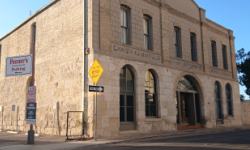
We cannot promise a result. What we can do is tell you what the statutes require, what we recommend and what each choice risks. The first consultation is free and confidential. Our San Antonio office is at 115 Camaron Street, San Antonio, Texas 78205. You can get directions to our office before your visit. For the first meeting, bring what you can of the following, and call even if you cannot find everything.
- The crash report or report number, and any citation
- Photographs and video of the scene, the vehicles and your injuries, including helmet camera footage
- Your motorcycle, helmet and riding gear, or photographs of them
- The driver’s name, license plate and insurance information, and the names of witnesses
- The insurance policy on your motorcycle, any auto policy in your household and the declarations pages
- Medical records, bills and explanation of benefits statements
- Pay stubs or an employer letter showing missed work
- A calendar of your key dates and deadlines
Frequently Asked Questions
How is a motorcycle accident investigated in San Antonio?
The officer who responds writes a crash report, Form CR-3, which is due within 10 days when the crash caused injury or death or apparent property damage of $1,000 or more (Transportation Code Section 550.062). A person involved can buy a copy from the Texas Department of Transportation. A separate investigation for your claim collects the motorcycle and gear, scene photographs, video, witness accounts, vehicle data and phone records, because the report may not capture them and may state a conclusion about fault that the evidence does not support.
Is lane splitting legal in Texas?
No. Since September 1, 2023, Transportation Code Section 545.0605 has barred a motorcycle operator from riding between lanes of traffic moving in the same direction, and from passing a motor vehicle while in the same lane as the vehicle being passed. The same section gives a motorcycle the full use of its lane. An insurer’s claim that you were splitting lanes is a factual one, and the video and the positions of the vehicles decide it.
The driver says they did not see me. Does that excuse the crash?
Not by itself. A driver turning left must yield to an oncoming vehicle in the intersection or close enough to be a hazard (Transportation Code Section 545.152), and a driver changing lanes may move only when it can be done safely (Section 545.060). Those duties do not depend on whether the driver noticed the motorcycle.
Who is at fault when a car turns left in front of a motorcycle?
The turning driver is usually the one with the duty to yield (Transportation Code Section 545.152). Fault can still be shared. The insurer will look at your speed, your lane position and whether you had time to react, and the evidence on those points decides how fault is divided.
Do I have to wear a helmet, and does not wearing one hurt my claim?
Texas requires protective headgear that meets state standards, with an exception for riders at least 21 who completed a motorcycle operator training and safety course or have health insurance that covers motorcycle collision injuries (Transportation Code Section 661.003). Not wearing a helmet does not cause a crash. An insurer may argue that a head injury was worse because of it, and how that affects a claim depends on the medical evidence and the law.
What if the insurer says I was speeding?
That is an allegation you can test. Skid and scrape marks, the damage to both vehicles, video and any vehicle data can show speed and whether the driver had time to see and yield to you. If the evidence assigns you a share of the fault, it reduces your award by that percentage, and if the share is more than 50 percent it bars recovery (Civil Practice and Remedies Code Sections 33.001 and 33.012).
Can I recover if I was partly at fault?
Yes, as long as your share is 50 percent or less. The award is reduced by your percentage of fault (Civil Practice and Remedies Code Sections 33.001 and 33.012). Do not accept an adjuster’s statement about your share without seeing the evidence behind it.
What if the driver left the scene?
Leaving the scene of a crash that injured someone is a criminal offense, because the driver must stop, share identifying and insurance details and help the injured (Transportation Code Sections 550.021 and 550.023). Your claim then depends on finding the vehicle or on your own coverage. If the driver is never identified, uninsured motorist coverage requires physical contact between that vehicle and you or your motorcycle (Insurance Code Section 1952.104), so keep the motorcycle, your gear and any photographs of the impact.
Whose insurance pays if the driver has only minimum coverage or none?
Possibly yours. The minimum liability limits are $30,000 for one person, $60,000 for two or more and $25,000 for property damage (Transportation Code Section 601.072). Texas requires auto liability insurers to include uninsured and underinsured motorist coverage unless the named insured rejects it in writing (Insurance Code Section 1952.101), and underinsured coverage pays the damages you could legally collect from the driver, up to the policy limit and reduced by what the driver’s insurer pays (Section 1952.106). Whether your motorcycle policy or an auto policy applies depends on its language, so bring the full policy.
Can I sue the city for a pothole or gravel on the road?
Only in limited cases. The Texas Tort Claims Act waives immunity for certain injuries from a condition or use of property and from a government employee’s negligent use of a motor vehicle (Civil Practice and Remedies Code Section 101.021), and the Act sets its own limits and exceptions. Damages against a city are capped at $250,000 per person and $500,000 per occurrence (Section 101.023), and written notice generally must be given within six months (Section 101.101). Photograph the defect and tell a lawyer early.
How long do I have to file a motorcycle accident claim?
Generally two years from the crash, or from the date of death if the crash was fatal (Civil Practice and Remedies Code Section 16.003). If a government entity may be responsible, written notice is generally due much sooner, within six months (Section 101.101). Because the periods differ, have your deadlines checked early.
What can I recover, including the damage to my motorcycle?
A claim can include past and future medical care, lost income and reduced earning capacity, pain, mental anguish, impairment and disfigurement, and the damage to your motorcycle and riding gear. Recovery of medical bills is limited to what was actually paid or incurred (Civil Practice and Remedies Code Section 41.0105), and any share of fault assigned to you reduces the total. In a fatal crash, surviving family members may have claims of their own.
What should I bring to the first meeting about a motorcycle accident?
Bring the crash report or report number, photographs and video including any helmet camera footage, your helmet and gear or photographs of them, the driver’s information and witness names, the policy on your motorcycle and any auto policy, medical records and bills, and proof of missed work. Call even if some records are missing.
Talk With a San Antonio Motorcycle Accident Attorney
Skid marks fade, video is recorded over and the insurer will already be building its file. Speak with a San Antonio car accident attorney at Barton & Associates before you give a statement or sign anything.
Call our San Antonio office at 210-500-0000 or complete the online Free Consultation form to schedule a confidential meeting about your motorcycle accident claim. The office is at 115 Camaron Street, San Antonio, Texas 78205.
Main Category: Personal Injury
Practice Area Category: Motor Vehicle Accidents
Barton & Associates, Attorneys at Law
115 Camaron St, San Antonio, TX 78205
Office: 210-500-0000