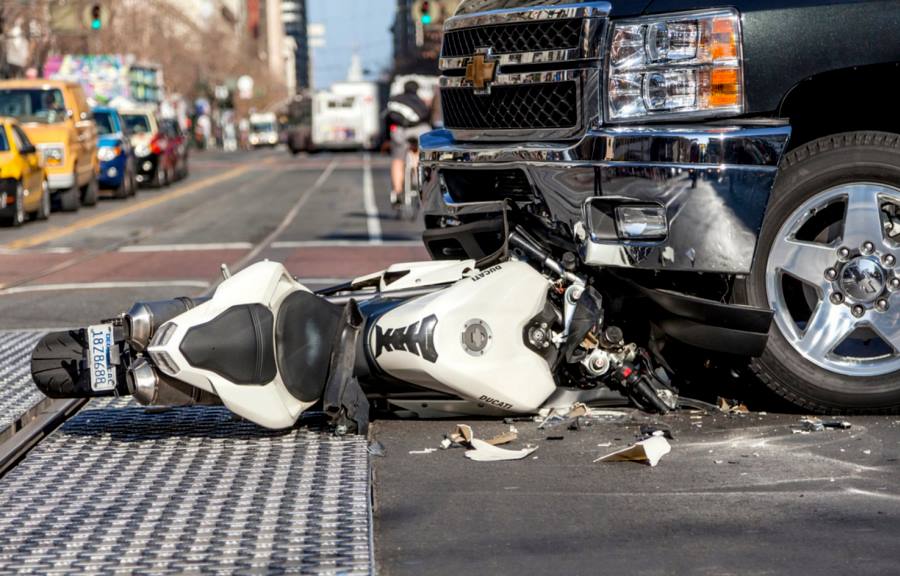
Two Wheels, No Protection: Motorcycle Accidents in Austin, Texas
The open road. The wind in your face. The freedom of two wheels. For riders in Central Texas, motorcycling is more than transportation—it’s a way of life. But when a car or truck fails to see you, the consequences are devastating. No seatbelt. No airbag. No steel frame to absorb the impact. Motorcycle accidents are different. The injuries are often catastrophic—traumatic brain injury, spinal cord injury, amputation, road rash, fractures. And the bias against riders is real. “He was speeding.” “He was weaving.” “He must have been at fault.” In the aftermath of a crash, the insurance company will do everything it can to blame you.
At Barton & Associates, Attorneys at Law, we represent motorcyclists across Central Texas who have been injured by negligent drivers. From the curves of the Hill Country to the highways of Austin, from the back roads to the city streets, we understand the unique dynamics of motorcycle crashes. Our attorneys have spent decades fighting for the rights of riders, holding negligent drivers accountable for the harm they cause.
We know that motorcycle accident cases are different. They require a deep understanding of motorcycle dynamics, the common biases against riders, and the strategies for proving fault. We know how to investigate the cause of your crash, document your injuries, and build a case that gets you the compensation you deserve.
If you have been injured in a motorcycle accident, you are not alone. Let us help you seek justice.
Understanding Motorcycle Accidents
Motorcycle accidents are unlike car accidents. The dynamics are different, the injuries are more severe, and the biases against riders are real.
Why Motorcycle Accidents Are Different:
- No Protection: No seatbelt, no airbag, no steel frame
- Stability: Motorcycles are inherently less stable than cars
- Visibility: Motorcycles are harder to see, especially in blind spots
- Stopping Distance: Motorcycles can stop more quickly than cars, but drivers don’t expect it
- Road Hazards: Potholes, gravel, wet leaves, and debris are more dangerous for motorcycles
Common Causes of Motorcycle Accidents:
- Driver fails to see the motorcycle (left-turn accidents, lane changes)
- Distracted driving (texting, phone use)
- Speeding
- Drunk driving
- Unsafe lane changes
- Following too closely
- Road hazards (potholes, debris, uneven pavement)
For riders across Central Texas, the most dangerous scenario is the left-turn accident—a driver turns left in front of an oncoming motorcycle.
What Are the Most Common Causes of Motorcycle Accidents?
Understanding the common causes of motorcycle accidents can help you build your case.
Left-Turn Accidents:
- A driver turns left in front of an oncoming motorcycle
- The driver fails to see the motorcycle or misjudges its speed
- This is the most common—and most deadly—motorcycle accident scenario
Lane Change Accidents:
- A driver changes lanes without checking their blind spot
- The motorcycle is in the blind spot
- The driver merges into the motorcycle
Rear-End Accidents:
- A driver follows too closely
- The driver fails to stop in time
- The motorcyclist is thrown from the bike
Intersection Accidents:
- A driver runs a red light or stop sign
- A driver fails to yield at an intersection
- The motorcyclist has the right-of-way
Road Hazard Accidents:
- Potholes, gravel, debris, uneven pavement
- Oil or water on the road
- Road construction hazards
For those in the Austin area, left-turn accidents are the most common—and most dangerous—type of motorcycle crash.
Who Is Liable in a Motorcycle Accident?
Liability in a motorcycle accident usually falls on the driver who caused the crash. However, other parties may also be liable.
The Driver:
- Was the driver distracted?
- Was the driver speeding?
- Did the driver fail to yield?
- Did the driver run a red light or stop sign?
- Was the driver under the influence of drugs or alcohol?
The Vehicle Owner:
- If the driver was not the owner, the owner may be liable if they allowed an unsafe driver to use the vehicle
The Employer:
- If the driver was working at the time of the accident (delivery driver, rideshare driver, etc.), the employer may be liable
The Government:
- If a dangerous road condition contributed to the accident (pothole, debris, defective traffic signal), the government may be liable
The Motorcycle Manufacturer:
- If a defect in the motorcycle contributed to the accident (brake failure, tire failure), the manufacturer may be liable
For riders across Central Texas, identifying all liable parties requires a thorough investigation.
How to Prove a Motorcycle Accident Claim
Proving a motorcycle accident claim requires documenting the crash, establishing fault, and proving your injuries.
Step 1: Document the Scene
- Take photographs of the vehicles, the scene, and your injuries
- Get witness names and contact information
- Note the location, time, and weather conditions
- Get the driver’s information (name, license, insurance)
Step 2: Report the Accident
- Call the police
- Get a copy of the police report
- The police report may contain the officer’s observations and citations
Step 3: Seek Medical Attention
- Go to the emergency room or urgent care immediately
- Document your injuries
- Follow up with your doctor
- Keep all medical records
Step 4: Preserve the Motorcycle
- Do not repair or sell the motorcycle
- Have it inspected by an expert
- The motorcycle can provide critical evidence of the crash dynamics
Step 5: Prove Fault
- Did the driver violate a traffic law? (failure to yield, speeding, running a red light)
- Was the driver distracted?
- Was the driver drunk?
Step 6: Document Your Damages
- Medical expenses
- Lost income
- Pain and suffering
- Emotional distress
- Disfigurement
- Loss of enjoyment of life
Step 7: Work with Experts
Motorcycle accident cases may require expert testimony:
- Accident Reconstructionists: Recreate the crash
- Motorcycle Dynamics Experts: Explain how motorcycles handle and how the crash occurred
- Medical Experts: Document injuries and prognosis
- Economists: Calculate lost income and future care costs
For those in the Austin area, proving a motorcycle accident claim requires a thorough investigation and often expert testimony.
Left-Turn Accidents: The Deadliest Scenario
Left-turn accidents are the most common—and most deadly—type of motorcycle accident. A driver turns left in front of an oncoming motorcycle, and the motorcyclist has no time to stop.
Why Left-Turn Accidents Happen:
- The driver fails to see the motorcycle
- The driver misjudges the motorcycle’s speed
- The driver is distracted
- The motorcycle is in the driver’s blind spot
- The driver turns without looking
Who Is at Fault:
- The driver who turned left is almost always at fault
- The driver had a duty to yield to oncoming traffic
- The driver failed to see what was there to be seen
What You Must Prove:
- You had the right-of-way
- The driver failed to yield
- The driver’s failure to yield caused the accident
- You suffered damages
For riders across Central Texas, left-turn accidents are often caused by drivers who simply didn’t look.
Lane Change Accidents
Lane change accidents occur when a driver changes lanes without checking their blind spot, merging into a motorcycle.
Why Lane Change Accidents Happen:
- The driver fails to check their blind spot
- The motorcycle is in the blind spot
- The driver is distracted
- The driver signals but does not look
Who Is at Fault:
- The driver who changed lanes is at fault
- Drivers have a duty to ensure the lane is clear before changing lanes
What You Must Prove:
- You were in the lane lawfully
- The driver failed to ensure the lane was clear
- The driver’s failure caused the accident
- You suffered damages
For those in the Austin area, lane change accidents are often caused by drivers who forget to look over their shoulder.
Intersection Accidents
Intersections are dangerous for motorcyclists. Drivers running red lights, failing to yield, or turning without looking can cause catastrophic crashes.
Common Intersection Accidents:
- Driver runs a red light and strikes a motorcycle
- Driver fails to yield at a stop sign
- Driver turns left without yielding
- Driver turns right on red without checking for motorcycles
Who Is at Fault:
- The driver who violated the traffic law is at fault
- If the driver had a red light or stop sign, they are at fault
- If the driver failed to yield, they are at fault
For residents across Central Texas, intersection accidents require a careful analysis of traffic signals and right-of-way.
Road Hazard Accidents
Road hazards—potholes, gravel, debris, uneven pavement—are especially dangerous for motorcyclists. A hazard that would be a minor inconvenience for a car can cause a motorcycle to crash.
Common Road Hazards:
- Potholes
- Gravel or loose debris
- Oil or water on the road
- Uneven pavement
- Construction zones
- Railroad tracks
Who Is Liable:
- The government (city, county, state) if they knew or should have known about the hazard
- The construction company if they created the hazard
- The property owner if the hazard came from their property
What You Must Prove:
- The road hazard existed
- The government or other party knew or should have known about the hazard
- The hazard caused your crash
- You suffered damages
For those in the Austin area, road hazard claims require proving that the government had notice of the hazard.
Bias Against Motorcyclists
Insurance companies often try to blame motorcyclists for their own injuries. They may argue that the rider was speeding, weaving, or driving recklessly.
Common Biases:
- “Motorcyclists are reckless”
- “He was speeding”
- “He was weaving through traffic”
- “He should have seen the car”
How to Counter the Bias:
- Evidence that the driver violated a traffic law
- Witness testimony that the rider was riding safely
- Accident reconstruction that shows the driver was at fault
- The driver’s statements to the police
Why It Matters:
Insurance companies will use bias against riders to reduce or deny your claim. Your attorney must counter these biases with evidence.
For riders across Central Texas, overcoming bias is a critical part of your case.
Motorcycle Gear and Helmet Laws
Texas does not require adults to wear helmets. However, your choice to wear or not wear a helmet can affect your case.
If You Were Wearing a Helmet:
- The insurance company cannot argue that your injuries were worse because you weren’t wearing a helmet
- Your helmet can be evidence of the force of the impact
If You Were Not Wearing a Helmet:
- The insurance company may argue that your injuries were caused or worsened by your failure to wear a helmet
- Texas law allows the jury to consider helmet use in determining damages
- Your attorney can argue that the driver’s negligence caused the accident, and your helmet use (or lack thereof) is irrelevant to fault
The Bottom Line:
Wearing a helmet is always safer. If you were not wearing a helmet, your attorney can still build a strong case.
For those in the Austin area, helmet use is a factor—but it does not excuse the driver’s negligence.
Frequently Asked Questions About Motorcycle Accidents in Austin, Texas
When riders come to our office—whether from Austin’s neighborhoods, the suburbs to the north and south, or the Hill Country communities—they often have questions about motorcycle accident claims. Here are the answers to the most common inquiries we receive.
What should I do after a motorcycle accident?
- Seek medical attention immediately
- Call the police
- Get witness information
- Take photographs
- Do not give a recorded statement without an attorney
- Preserve the motorcycle
- Contact an attorney
Who is liable in a motorcycle accident?
Liability usually falls on the driver who caused the crash. Other parties may include the vehicle owner, the driver’s employer, the government (for road hazards), or the motorcycle manufacturer.
What is a left-turn accident?
A left-turn accident occurs when a driver turns left in front of an oncoming motorcycle. The driver is almost always at fault.
What if the insurance company blames me?
Insurance companies often try to blame motorcyclists. Your attorney can counter these biases with evidence and expert testimony.
What is the statute of limitations for motorcycle accident claims?
In Texas, you generally have two years from the date of the accident to file a personal injury claim.
What damages can I recover?
You can recover medical expenses, lost income, pain and suffering, emotional distress, and, in cases of wrongful death, funeral expenses and loss of companionship.
Do I need an attorney for a motorcycle accident claim?
Yes. Motorcycle accident cases are complex, and insurance companies often try to blame riders. An experienced motorcycle accident attorney can help you navigate the legal process and secure the compensation you deserve.
Why Barton & Associates for Motorcycle Accidents in Austin
Motorcycle accident cases require attorneys who understand the unique dynamics of motorcycle crashes, the common biases against riders, and the strategies for proving fault. Our attorneys have spent decades representing motorcyclists across Central Texas who have been injured by negligent drivers.
We know the local roads, the common accident patterns, and the biases riders face. We know how to investigate the cause of your crash, counter insurance company defenses, and build a case that gets you the compensation you deserve.
Take the First Step Toward Recovery
If you have been injured in a motorcycle accident, do not wait. Evidence disappears. Witnesses forget. The two-year statute of limitations is strict. The sooner you have an experienced attorney on your side, the sooner you can begin the process of seeking the compensation you need to recover.
Contact our Austin office today at 512-THE-FIRM (843-3476) to speak with an experienced motorcycle accident attorney about your case. You can also complete the online Free Consultation form on our website to schedule a confidential meeting. Please note, on-site consultations are by appointment only. We look forward to helping you seek the justice you deserve.
Main Category: Personal Injury Austin
Practice Area Category: Motor Vehicle Accidents
Barton & Associates, Attorneys at Law
316 W 12th St Suite 400, Austin, TX 78701
Office: 512-THE-FIRM (843-3476)