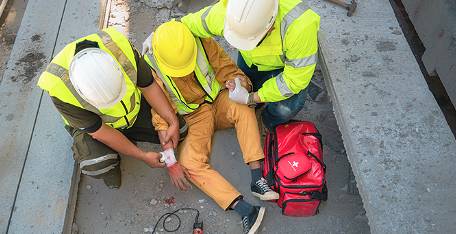
Building a Future, Facing the Fall: Construction Accidents in Austin, Texas
Austin is a city of cranes. From the high-rises downtown to the new developments in the Domain, from the subdivisions of Round Rock to the commercial projects in Kyle and Buda, construction is everywhere. The workers who build our city face dangers every day—falls from heights, trench collapses, heavy equipment accidents, electrical shocks, and being struck by falling objects. Construction is one of the most dangerous industries in the nation. When safety is sacrificed for speed, workers pay the price. A fall from scaffolding, a crush injury from unguarded machinery, a trench collapse that buries a worker alive—these are not just accidents. They are failures of safety. And when those failures happen, the workers and their families deserve justice.
At Barton & Associates, Attorneys at Law, we represent construction workers across Central Texas who have been injured or killed on the job. From the high-rise projects downtown to the residential developments in the suburbs, from the highway construction on I-35 to the industrial sites of the region, we understand the unique hazards of construction work. Our attorneys have spent decades fighting for the rights of construction workers, holding contractors, subcontractors, and property owners accountable when safety is ignored.
We know that construction accident cases are complex. They involve multiple contractors, complex safety regulations, and often, catastrophic injuries. We know how to investigate the cause of your accident, identify all responsible parties, and build a case that gets you the compensation you deserve.
If you have been injured on a construction site, you are not alone. Let us help you seek justice.
Understanding Construction Accidents
Construction accidents can happen in any phase of a project—from site preparation to final finishing. The hazards are numerous and often deadly.
Common Types of Construction Accidents:
- Falls: From scaffolding, ladders, roofs, and elevated platforms (the leading cause of death in construction)
- Struck-By Accidents: Being hit by falling tools, materials, or equipment
- Caught-In or Caught-Between Accidents: Being crushed by collapsing structures, equipment, or trenches
- Electrical Accidents: Electrocution from contact with power lines or faulty equipment
- Trench Collapses: Cave-ins that bury workers
- Equipment Accidents: Forklift rollovers, crane collapses, backhoe accidents
- Repetitive Stress Injuries: Carpal tunnel, back injuries from heavy lifting
- Toxic Exposures: Silica dust, asbestos, lead, chemical exposures
For workers across Central Texas, construction accidents can happen in an instant—and the consequences can last a lifetime.
What Are the Most Common Causes of Construction Accidents?
Construction accidents are often caused by safety failures that are entirely preventable.
Fall Hazards:
- Unprotected edges
- Improperly erected scaffolding
- Missing guardrails
- Slippery surfaces
- Improper ladder use
Struck-By Hazards:
- Falling tools or materials
- Swinging loads from cranes
- Vehicles and heavy equipment
- Flying debris
Caught-In Hazards:
- Trench collapses
- Unguarded machinery
- Collapsing structures
- Equipment rollovers
Electrical Hazards:
- Overhead power lines
- Faulty wiring
- Lack of lockout/tagout procedures
Safety Violations:
- Failure to provide fall protection
- Inadequate training
- Lack of personal protective equipment (PPE)
- Failure to inspect equipment
- Failure to follow OSHA regulations
For those in the Austin area, construction accidents are often the result of preventable safety failures.
Who Is Liable for a Construction Accident?
Construction sites involve multiple parties, and determining who is liable requires a thorough investigation.
Potential Liable Parties:
- General Contractor: Responsible for overall site safety
- Subcontractors: Responsible for safety in their specific trades
- Property Owner: May be liable for dangerous conditions they knew about
- Architects and Engineers: May be liable for design defects
- Equipment Manufacturers: May be liable for defective equipment
- Construction Managers: May be liable for safety oversight
Workers’ Compensation vs. Third-Party Claims:
- Workers’ Compensation: If your employer carries workers’ comp, you can receive medical benefits and lost wages regardless of fault. You cannot sue your employer.
- Third-Party Claims: You may have a claim against other parties (general contractor, subcontractors, equipment manufacturers) for pain and suffering and full damages.
Texas Non-Subscriber Claims:
If your employer does not carry workers’ compensation, you can sue them directly for negligence—and recover pain and suffering, not just medical bills and lost wages.
For residents across Central Texas, identifying all potentially liable parties is essential to maximizing your recovery.
How to Prove a Construction Accident Claim
Proving a construction accident claim requires a thorough investigation, preservation of evidence, and expert testimony.
Step 1: Preserve the Evidence
Construction sites are quickly cleaned up. Preserving evidence is critical:
- Photographs of the accident scene
- Photographs of the equipment or conditions that caused the accident
- Witness statements
- Equipment and materials
- Safety logs and inspection records
Step 2: Document the Accident
- Incident reports
- OSHA reports
- Witness statements
- Photographs of your injuries
Step 3: Identify Safety Violations
- OSHA regulations (29 CFR 1926)
- Industry safety standards
- Company safety policies
- Training records
Step 4: Establish Liability
- Who was responsible for the unsafe condition?
- Did they know or should they have known?
- Did they fail to take corrective action?
Step 5: Document Your Damages
- Medical expenses (past and future)
- Lost income
- Loss of earning capacity
- Pain and suffering
- Disfigurement
- Disability
Step 6: Work with Experts
Construction accident cases require expert testimony:
- Safety Experts: Evaluate OSHA violations and industry standards
- Engineers: Analyze equipment failures or structural collapses
- Medical Experts: Document injuries and prognosis
- Economists: Calculate lost income and future care costs
For those in the Austin area, proving a construction accident claim requires a team of experts and an attorney with experience in construction litigation.
Falls: The Leading Cause of Death in Construction
Falls are the leading cause of death in the construction industry. Falls from scaffolding, ladders, roofs, and elevated platforms account for a significant percentage of construction fatalities.
OSHA Fall Protection Standards:
- Guardrails, safety nets, or personal fall arrest systems required for work at heights of 6 feet or more in construction
- Scaffolding must be properly erected and inspected
- Ladders must be in good condition and properly used
Common Fall Hazards:
- Unprotected edges
- Improperly erected scaffolding
- Missing guardrails
- Slippery surfaces
- Improper ladder use
Who Is Liable:
- General contractor (overall site safety)
- Subcontractor (specific work area)
- Scaffolding company
- Ladder manufacturer (if defective)
For workers across Central Texas, falls are often preventable with proper fall protection.
Trench Collapses
Trench collapses are among the most deadly construction accidents. A cubic yard of soil weighs as much as a car. When a trench collapses, workers can be buried alive.
OSHA Trenching Standards:
- Trenches 5 feet or deeper must have protective systems (sloping, shoring, shielding)
- Competent person must inspect trenches daily
- Spoils must be placed at least 2 feet from the edge
Causes of Trench Collapses:
- Failure to use protective systems
- Improper sloping
- Vibrations from nearby equipment
- Weather (rain, freezing)
Who Is Liable:
- General contractor
- Excavation subcontractor
- Engineering firm (if improper design)
For residents across Central Texas, trench collapses are catastrophic events that often result in death or permanent disability.
Scaffolding Accidents
Scaffolding is essential for construction work, but improper erection or use can lead to devastating falls.
OSHA Scaffolding Standards:
- Scaffolds must be capable of supporting their own weight and 4 times the maximum intended load
- Guardrails required for scaffolds over 10 feet
- Scaffolds must be erected by trained personnel
- Regular inspections required
Common Scaffolding Hazards:
- Improper erection
- Missing guardrails
- Planking gaps
- Overloading
- Unsafe access
Who Is Liable:
- General contractor
- Scaffolding subcontractor
- Scaffolding manufacturer (if defective)
For those in the Austin area, scaffolding accidents often result from improper erection or maintenance.
Crane and Heavy Equipment Accidents
Cranes, forklifts, backhoes, and other heavy equipment are essential on construction sites—but they can be deadly when operated improperly.
Common Equipment Accidents:
- Crane collapses
- Contact with power lines
- Struck-by swinging loads
- Forklift rollovers
- Backhoe accidents
OSHA Crane Standards:
- Cranes must be inspected daily
- Operators must be certified
- Load limits must be followed
- Power line clearance required
Who Is Liable:
- General contractor
- Equipment operator
- Equipment owner
- Manufacturer (if defective)
For residents across Central Texas, crane and heavy equipment accidents often result in catastrophic injuries or death.
Electrical Accidents
Electrical accidents on construction sites can cause severe burns, cardiac arrest, and death.
Common Electrical Hazards:
- Contact with overhead power lines
- Faulty wiring
- Lack of lockout/tagout procedures
- Improper grounding
OSHA Electrical Standards:
- Minimum approach distances to power lines
- Lockout/tagout procedures for de-energizing equipment
- Ground-fault circuit interrupters (GFCIs)
Who Is Liable:
- General contractor
- Electrical subcontractor
- Utility company (for power lines)
For those in the Austin area, electrical accidents are often preventable with proper safety procedures.
OSHA Regulations and Safety Standards
The Occupational Safety and Health Administration (OSHA) sets safety standards for the construction industry. Violations of OSHA standards can be evidence of negligence.
Key OSHA Construction Standards:
- 29 CFR 1926 Subpart M: Fall Protection
- 29 CFR 1926 Subpart P: Excavations
- 29 CFR 1926 Subpart L: Scaffolds
- 29 CFR 1926 Subpart CC: Cranes and Derricks
- 29 CFR 1926 Subpart K: Electrical
What OSHA Can Do:
- Investigate accidents
- Issue citations and fines
- Provide evidence of safety violations
What OSHA Cannot Do:
- Get you compensation for your injuries
- Sue the contractor on your behalf
For residents across Central Texas, OSHA citations can be powerful evidence in your case.
Frequently Asked Questions About Construction Accidents in Austin, Texas
When construction workers come to our office—whether from Austin’s high-rise projects, the subdivisions of the suburbs, or the highway construction zones—they often have questions about their rights. Here are the answers to the most common inquiries we receive.
What are the most common causes of construction accidents?
Common causes include falls from heights, trench collapses, struck-by accidents, caught-in accidents, electrical accidents, and equipment failures.
Who is liable for a construction accident?
Liability may extend to the general contractor, subcontractors, property owner, equipment manufacturers, architects, and engineers.
What is the difference between workers’ compensation and a third-party claim?
Workers’ compensation provides medical benefits and lost wages regardless of fault, but you cannot sue your employer. A third-party claim allows you to sue other parties for pain and suffering and full damages.
What is the statute of limitations for construction accident claims?
In Texas, you generally have two years from the date of injury to file a personal injury claim. For workers’ compensation claims, you must report the injury promptly.
What damages can I recover?
If you have a workers’ comp claim, you can recover medical expenses and lost wages. If you have a third-party claim, you can also recover pain and suffering, loss of enjoyment of life, and emotional distress.
What should I do after a construction accident?
- Seek medical attention immediately
- Report the accident
- Preserve evidence (photographs, equipment)
- Do not give a recorded statement without an attorney
- Contact an experienced construction accident attorney
Do I need an attorney for a construction accident claim?
Yes. Construction accident cases are complex and involve multiple potentially liable parties. An experienced construction accident attorney can help you navigate the legal process, identify all responsible parties, and secure the compensation you deserve.
Why Barton & Associates for Construction Accidents in Austin
Construction accident cases require attorneys who understand the industry, OSHA regulations, and the complex web of contractors and subcontractors. Our attorneys have spent decades representing construction workers across Central Texas who have been injured or killed on the job.
We know the local projects, the contractors, and the safety standards. We know the experts who can prove liability. And we know how to build a case that gets you the compensation you deserve.
Take the First Step Toward Justice
If you have been injured on a construction site, do not wait. Evidence disappears. Witnesses forget. The two-year statute of limitations is strict. The sooner you have an experienced attorney on your side, the sooner you can begin the process of seeking the compensation you need to recover.
Contact our Austin office today at 512-THE-FIRM (843-3476) to speak with an experienced construction accident attorney about your case. You can also complete the online Free Consultation form on our website to schedule a confidential meeting. Please note, on-site consultations are by appointment only. We look forward to helping you seek the justice you deserve.
Main Category: Personal Injury Austin
Practice Area Category: Workplace & On-Site Injuries
Barton & Associates, Attorneys at Law
316 W 12th St Suite 400, Austin, TX 78701
Office: 512-THE-FIRM (843-3476)