One Mistake, One Night: First-Offense DWI Defense in Austin, Texas
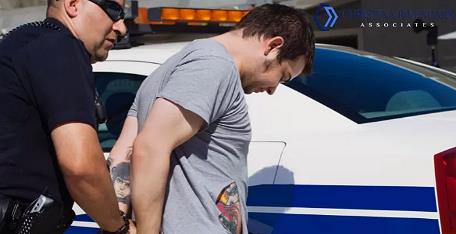
A traffic stop. A flashing light in your rearview mirror. A decision you wish you could take back. A first DWI charge can feel like the end of the world—the anxiety, the uncertainty, the fear of what comes next. But it doesn’t have to define you. A first DWI in Texas is a Class B misdemeanor, but the consequences ripple through your life: your driver’s license, your job, your insurance rates, and your future. With the right defense, many first-time offenders can avoid the worst outcomes—keeping their record clean and their lives on track.
At Barton & Associates, Attorneys at Law, we defend clients across Austin and Central Texas against first-offense DWI charges. Whether you were pulled over on I-35 near downtown, on the winding roads of the Hill Country, or in the growing suburbs north of Austin, we understand the local courts, the prosecutors, and the procedures that can make or break your case. Our attorneys have spent decades in Travis County courtrooms and beyond, building a reputation for protecting the rights of those facing their first brush with the law.
We know that a first DWI is often a wake-up call, not a life sentence. We know how to challenge the traffic stop, question the field sobriety tests, and scrutinize the breathalyzer results. We know how to fight for deferred adjudication—a pathway that can keep a conviction off your record entirely.
If this is your first DWI, you have options. Let us help you find the best path forward.
Understanding First-Offense DWI in Texas
A first DWI is a Class B misdemeanor in Texas. While it is the lowest level of DWI offense, the consequences are still significant—and a conviction will stay on your record for life.
The Elements:
The State must prove:
- You operated a motor vehicle
- In a public place
- While intoxicated (BAC of 0.08 or higher, or loss of normal use of faculties)
The Penalty:
- Class B Misdemeanor: Up to 180 days in jail
- Fine: Up to $2,000
- License Suspension: Up to 1 year (criminal suspension); ALR suspension of 90-180 days
What You Can Lose:
- Your driver’s license—even temporarily—can disrupt your job, your family, and your daily life
- Higher insurance rates that can last for years
- A criminal record that appears on background checks
- Professional licensing issues for certain careers
For residents across the Austin metro area, a first DWI is a serious matter that requires serious attention.
What Is the Penalty for a First DWI in Texas?
A first DWI is a Class B misdemeanor, punishable by up to 180 days in jail and a fine of up to $2,000.
License Suspension:
- ALR Suspension (Administrative): 90 days if you took the test and failed; 180 days if you refused
- Criminal Suspension: Up to 1 year upon conviction
DWI Surcharge:
- $1,000 per year for three years (total $3,000)
Probation:
- First-time offenders are often eligible for probation
- Conditions typically include DWI education classes, community service, and fines
Deferred Adjudication:
- In some counties, first-time DWI offenders may be eligible for deferred adjudication
- Successful completion results in dismissal of the case
- No conviction on your record
For those in the Austin area, the path forward depends on the specific facts of your case—and the skill of your defense.
How to Defend a First DWI Charge
A first DWI is defensible. The State must prove its case beyond a reasonable doubt, and there are many ways to challenge the evidence.
Defense 1: The Traffic Stop Was Illegal
The officer must have reasonable suspicion to stop your vehicle. If the stop was based on a hunch, a minor equipment violation that didn’t exist, or an improper reason, the evidence can be suppressed. Common issues:
- No observed traffic violation
- Stop based on the driver’s appearance alone
- Stop based on the time of night or location alone
Defense 2: No Probable Cause for Arrest
After the stop, the officer must have probable cause to arrest you. If the field sobriety tests were administered improperly, or if the officer’s observations don’t support an arrest, the evidence may be suppressed.
Defense 3: Faulty Field Sobriety Tests
Field sobriety tests are not foolproof. They can be affected by:
- Medical conditions (back problems, knee injuries, inner ear disorders)
- Fatigue
- Nervousness
- Improper administration
- The officer’s failure to follow standardized procedures
Defense 4: Faulty Breathalyzer
Breathalyzers can produce false results. Your attorney can challenge:
- Whether the machine was properly maintained and calibrated
- Whether the operator was certified
- Whether there were interfering substances (mouthwash, breath spray, dental work)
- Whether the machine was working properly
Defense 5: Rising Blood Alcohol
Alcohol takes time to absorb into the bloodstream. If the test was administered long after you were driving, your BAC may have been lower while driving.
Defense 6: Medical Conditions
Medical conditions such as GERD (acid reflux), diabetes, or neurological disorders can cause symptoms that mimic intoxication or affect test results.
For those in Central Texas, a strong defense can mean the difference between a conviction and a dismissal.
The 15-Day ALR Hearing: Your First Deadline
When you are arrested for DWI, your driver’s license is automatically suspended unless you request an Administrative License Revocation (ALR) hearing within 15 days. This is a strict deadline.
What the ALR Hearing Is:
- A civil hearing before an administrative law judge
- Focuses solely on your license, not the criminal case
- Determines whether your license should be suspended
Why the ALR Hearing Matters:
- If you win, your license is not suspended
- Your attorney can cross-examine the arresting officer under oath
- The officer’s testimony can be used in your criminal case
- Even if you lose, you may be eligible for an occupational license
Don’t Miss the Deadline:
If you miss the 15-day deadline, your license is suspended automatically. There is no second chance.
For drivers across the Austin area, requesting an ALR hearing is the first and most critical step in protecting your license.
Deferred Adjudication: Keeping Your Record Clean
For first-time DWI offenders, deferred adjudication is often the best outcome. It allows you to avoid a conviction entirely.
How Deferred Adjudication Works:
- You plead guilty or no contest
- The court defers a finding of guilt
- You complete probation (typically 12-24 months)
- Conditions: DWI education, community service, fines, possibly an ignition interlock
- If you complete probation successfully, the case is dismissed
- No conviction on your record
Is Deferred Adjudication Available?
Deferred adjudication is not available in every county for DWI. In Travis County and many surrounding jurisdictions, it is available for first-time offenders under certain circumstances. Your attorney can advise you on local practices.
The Benefit:
- You can answer “no” to most questions about criminal convictions
- Your record stays clean
- You avoid the lifetime consequences of a DWI conviction
For those in the Austin metro area, deferred adjudication is often the goal.
Field Sobriety Tests: What You Need to Know
Field sobriety tests (FSTs) are used by officers to gather evidence of impairment. They are not mandatory. You have the right to refuse them.
The Three Standardized Tests:
- Horizontal Gaze Nystagmus (HGN): Eye movement test. Officers look for involuntary jerking of the eyes. This test is subjective and can be affected by medical conditions.
- Walk and Turn: Nine-step walk, turn, and return. Officers look for balance, following instructions, and stepping off the line.
- One-Leg Stand: Standing on one leg for 30 seconds. Officers look for swaying, hopping, and putting the foot down.
Problems with FSTs:
- They are designed to be difficult, even for sober people
- Medical conditions, fatigue, nervousness, and age can affect performance
- Officers often misadminister the tests
- Video evidence can show you performed better than the officer’s report
You Have the Right to Refuse:
In Texas, you have the right to refuse field sobriety tests. Politely decline. The officer will likely arrest you anyway—but you will have denied them key evidence.
For drivers across Central Texas, refusing FSTs is often the best choice.
The Breathalyzer: To Blow or Not to Blow?
Under Texas law, you have given “implied consent” to chemical testing by driving. Refusing a breath or blood test results in an automatic license suspension.
If You Take the Test:
- The State has evidence of your BAC
- Your license is suspended for 90 days (if your BAC is 0.08 or higher)
- The test results can be challenged in court
If You Refuse the Test:
- The State does not have BAC evidence
- Your license is suspended for 180 days
- The refusal can be used against you in court, but it is not conclusive proof of intoxication
The Decision:
There is no single right answer. Your attorney can help you understand the tradeoffs based on your specific situation.
For those in the Austin area, the decision to consent or refuse is one your attorney can help you navigate.
Occupational License: Driving During Suspension
If your license is suspended, you do not have to stop driving entirely. An occupational license—sometimes called an “essential needs” license—allows you to drive for work, school, and essential activities.
Who Is Eligible:
- You have a valid driver’s license that is suspended
- You have no outstanding warrants
- You have not been convicted of certain serious offenses
The Process:
- File a petition in district court
- Provide proof of insurance (SR-22)
- Submit an affidavit of essential need
- Pay court costs
- Obtain a court order authorizing you to drive
What You Can Drive For:
- Work
- School
- Medical appointments
- Essential household needs
For residents across Central Texas, an occupational license can keep your life moving while your case is pending.
Frequently Asked Questions About First-Offense DWI in Austin, Texas
When clients come to our office—whether from the urban core of Austin, the suburbs to the north and south, or the Hill Country communities—they often have questions about their first DWI. Here are the answers to the most common inquiries we receive.
What is the penalty for a first DWI in Texas?
A first DWI is a Class B misdemeanor, punishable by up to 180 days in jail and a fine of up to $2,000. License suspension, surcharges, and increased insurance rates also apply.
Will I lose my license?
Your license may be suspended through the ALR process and again if you are convicted. You can request an ALR hearing within 15 days to fight the suspension. You may also be eligible for an occupational license.
What is the ALR hearing?
The ALR hearing is a civil hearing to determine whether your license should be suspended. You have 15 days to request it. Your attorney can cross-examine the officer and use the testimony in your criminal case.
Can I get deferred adjudication for a first DWI?
In many counties, deferred adjudication is available for first-time DWI offenders. Successful completion results in dismissal of the case and no conviction on your record.
Should I take field sobriety tests?
No. Field sobriety tests are voluntary. Politely decline. The officer will likely arrest you anyway—but you will have denied them evidence.
Should I take the breathalyzer?
Refusing the breathalyzer results in an automatic license suspension (180 days). Taking it gives the State evidence. The decision depends on the circumstances.
Do I need an attorney for a first DWI?
Yes. A first DWI can result in jail time, license suspension, and a permanent criminal record. An experienced attorney can challenge the stop, the tests, and seek deferred adjudication to keep your record clean.
Why Barton & Associates for First-Offense DWI Defense in Austin
A first DWI is a serious matter, but it does not have to define your future. Our attorneys have spent decades in courtrooms across Travis County and Central Texas, building a reputation for protecting the rights of first-time offenders. We know the local courts, the prosecutors, and the procedures that can make or break your case.
We understand that this is likely your first experience with the criminal justice system—and we are here to guide you through it. We will explain your options in clear, straightforward language, and we will fight to keep this mistake from becoming a permanent mark on your record.
Take the First Step Toward Protecting Your Future
If you are facing your first DWI charge, you have options. Deferred adjudication, ALR hearings, and aggressive defense can all work to protect your license and your record. Do not wait. The 15-day ALR deadline is strict. The sooner you have an experienced attorney on your side, the better your chances of a favorable outcome.
Contact our Austin office today at 512-THE-FIRM (843-3476) to speak with an experienced DWI defense attorney about your case. You can also complete the online Free Consultation form on our website to schedule a confidential meeting. Please note, on-site consultations are by appointment only. We look forward to helping you protect your rights and your future.
Main Category: Criminal Defense Austin
Practice Area Category: DWI & Intoxication
Barton & Associates, Attorneys at Law
316 W 12th St Suite 400, Austin, TX 78701
Office: 512-THE-FIRM (843-3476)