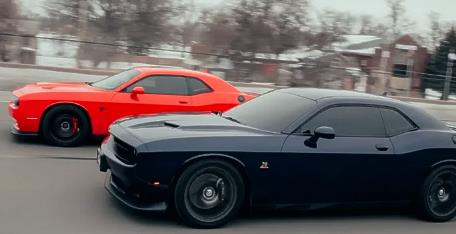
Speed, Competition, Consequences: Street Racing Defense in Austin, Texas
A late-night drive. A challenge from another driver. A moment of competition on an empty road. In Texas, what feels like harmless fun can become a felony charge. Street racing laws have changed dramatically in recent years. A first offense can mean jail time, license suspension, vehicle impoundment, and a permanent criminal record. The penalties escalate with each offense, and a second street racing charge is a felony.
At Barton & Associates, Attorneys at Law, we defend clients across Central Texas against street racing charges. Whether you were accused of racing on I-35, participating in a meet-up in the suburbs, or simply driving in a manner that an officer believed was racing, we understand how quickly a night out can become a criminal case. Our attorneys have spent decades in Travis County courtrooms and beyond, handling traffic and criminal cases with skill and determination.
We know that street racing cases often hinge on officer observations—and that those observations can be challenged. We know how to challenge the evidence, argue that you were not racing, and build a defense that keeps a felony off your record. We know that a moment of speed should not define your future.
If you are facing a street racing charge, you are not alone. Let us help you fight back.
Understanding Street Racing in Texas
Under Texas law, a person commits street racing if they participate in a race on a public highway or street. The law covers traditional racing, drag racing, and any competition involving speed.
The Elements:
The State must prove:
-
You operated a motor vehicle
-
On a public highway or street
-
In a race or competition with another vehicle
-
OR in a drag race or acceleration contest
Types of Offenses:
-
Reckless Driving Exhibition: Class B misdemeanor (up to 180 days)
-
Street Racing (First Offense): Class B misdemeanor (up to 180 days)
-
Street Racing (Second or Subsequent): State jail felony (180 days to 2 years)
Enhanced Penalties:
-
If the race causes serious bodily injury: Third-degree felony (2 to 10 years)
-
If the race causes death: Second-degree felony (2 to 20 years)
For residents across Central Texas, a street racing charge can mean years in prison.
What Is the Penalty for Street Racing in Texas?
The penalty for street racing depends on the number of offenses and whether injury or death occurred.
First Offense:
-
Class B misdemeanor
-
Up to 180 days in jail
-
Fine of up to $2,000
-
License suspension (up to 1 year)
-
Vehicle impoundment (up to 30 days)
Second or Subsequent Offense:
-
State jail felony
-
180 days to 2 years in state jail
-
Fine of up to $10,000
-
License suspension (up to 1 year)
-
Vehicle forfeiture (in some cases)
Racing Causing Serious Bodily Injury:
-
Third-degree felony
-
2 to 10 years in prison
-
Fine of up to $10,000
-
License suspension (up to 2 years)
Racing Causing Death:
-
Second-degree felony
-
2 to 20 years in prison
-
Fine of up to $10,000
-
License suspension (up to 2 years)
Collateral Consequences:
-
Criminal Record: A permanent conviction on your record
-
Employment: Many employers will not hire individuals with racing convictions
-
Insurance: Rates will increase dramatically; you may be dropped
-
Vehicle: Your car may be impounded or forfeited
-
Professional Licensing: Licensing boards may deny or revoke licenses
For those in the Austin area, a street racing conviction can change your life.
How to Defend a Street Racing Charge
Defending against a street racing charge requires a strategic approach. The State must prove you were participating in a race.
Defense 1: You Were Not Racing
The most common defense is that you were simply driving fast—not competing with another vehicle. If there was no competition, no race, you have a defense.
Defense 2: The Officer’s Observations Were Mistaken
Street racing cases often hinge on officer observations. Your attorney can challenge:
-
The officer’s ability to see clearly
-
The officer’s distance from the vehicles
-
Whether the officer actually saw a race
-
Whether the officer assumed you were racing based on speed alone
Defense 3: No Second Vehicle
Street racing requires a competition between two or more vehicles. If you were alone, you were not racing.
Defense 4: The Road Was Not a Public Highway
If the alleged racing occurred on private property—a parking lot, a private road—the charge may not apply.
Defense 5: Unlawful Stop
If the officer did not have reasonable suspicion to stop you, the evidence may be suppressed.
Defense 6: Dashcam and Bodycam Footage
Video evidence can prove or disprove the officer’s claims. Your attorney can request and review all footage.
For those in Central Texas, a strong defense can mean the difference between a felony conviction and a dismissal.
Racing vs. Speeding: The Critical Distinction
Speeding is a traffic ticket. Racing is a criminal offense. The distinction is critical.
Speeding:
-
Traffic violation
-
Fine only (for most speeds)
-
No criminal record
-
No jail time
Street Racing:
-
Criminal offense
-
Jail time possible
-
Criminal record
-
License suspension
-
Vehicle impoundment
What Makes It Racing:
-
Competition with another vehicle
-
Acceleration contest
-
Drag race
-
Any competition involving speed
Defending the Distinction:
-
No Competition: You were just driving fast
-
No Second Vehicle: There was no one to race
-
No Agreement: There was no agreement to race
For residents across the Austin metro area, the distinction between speeding and racing can mean the difference between a ticket and a criminal record.
The Law of Parties: Racing with Others
If you were with others who were racing, you can be charged even if you were not racing yourself. Under the law of parties, you are responsible for the acts of your accomplices.
What the State Must Prove:
-
You acted with intent to promote or assist the race
-
You encouraged, aided, or attempted to aid the others
Defending Accomplice Cases:
-
No Intent: You did not intend to help
-
No Knowledge: You did not know a race was occurring
-
Spectator: You were just watching, not participating
The Danger:
Being present at a racing event can lead to criminal charges, even if you never got behind the wheel.
For those in the Austin area, accomplice liability requires a defense that focuses on your lack of intent and knowledge.
Vehicle Impoundment and Forfeiture
When you are charged with street racing, your vehicle may be impounded—and in some cases, forfeited permanently.
Impoundment:
-
First offense: up to 30 days
-
Second offense: up to 60 days
-
You are responsible for storage fees
Forfeiture:
-
For second or subsequent offenses, the state may seek permanent forfeiture of your vehicle
-
You will have to fight to get your car back
Defending Impoundment and Forfeiture:
-
Challenge the Underlying Charge: If the racing charge is dismissed, the impoundment ends
-
Innocent Owner: If the vehicle belongs to someone else, you may be able to recover it
For residents across Central Texas, protecting your vehicle is as important as defending the criminal charge.
Deferred Adjudication for Street Racing
For first-time offenders, deferred adjudication may be available for street racing charges.
How Deferred Adjudication Works:
-
You plead guilty or no contest
-
The court defers a finding of guilt
-
You complete probation (typically 6-12 months)
-
Conditions may include community service, fines, and defensive driving
-
If you complete probation successfully, the case is dismissed
-
No conviction on your record
Eligibility:
-
First-time offender
-
No prior racing or reckless driving convictions
-
The case does not involve injury or death
For those in the Austin metro area, deferred adjudication is often the goal in a street racing case.
Racing and Reckless Driving
Reckless driving is a lesser-included offense of street racing. If the State cannot prove you were racing, the charge may be reduced to reckless driving.
Reckless Driving:
-
Class B misdemeanor
-
Up to 180 days in jail
-
Fine of up to $2,000
-
No felony record
Why Reduction Matters:
-
Misdemeanor vs. felony
-
No loss of firearm rights
-
Better employment prospects
-
No vehicle forfeiture
For residents across Central Texas, reducing a street racing charge to reckless driving is often a win.
Frequently Asked Questions About Street Racing in Austin, Texas
When clients come to our office—whether from the urban core of Austin, the suburbs to the north and south, or the Hill Country communities—they often have questions about street racing charges. Here are the answers to the most common inquiries we receive.
What is the penalty for street racing in Texas?
First offense: Class B misdemeanor (up to 180 days in jail). Second offense: state jail felony (180 days to 2 years). Racing causing injury or death carries higher penalties.
What is the difference between street racing and speeding?
Speeding is a traffic ticket. Street racing is a criminal offense that can result in jail time, license suspension, and vehicle impoundment.
Can I lose my car for street racing?
Yes. Your vehicle may be impounded for up to 30 days for a first offense. For a second offense, the state may seek permanent forfeiture.
Can I get deferred adjudication for street racing?
Yes, in some cases. First-time offenders may be eligible for deferred adjudication, which results in dismissal of the case with no conviction on your record.
What if I was just watching, not racing?
If you were present at a racing event, you can be charged under the law of parties if you encouraged or aided the racing. Spectators may be charged.
What if I was just driving fast?
If you were driving fast but not competing with another vehicle, you may be charged with speeding or reckless driving—not street racing.
Do I need an attorney for a street racing charge?
Yes. A street racing conviction can result in jail time, license suspension, vehicle forfeiture, and a permanent criminal record. An experienced attorney can challenge the evidence and seek deferred adjudication.
Why Barton & Associates for Street Racing Defense in Austin
Street racing cases often hinge on officer observations—and those observations can be challenged. Our attorneys have spent decades in courtrooms across Central Texas, handling traffic and criminal cases with skill and determination.
We know the local prosecutors. We know the judges. We know how to challenge the evidence, argue that you were not racing, and fight to keep a felony off your record.
Take the First Step Toward Protecting Your Future
If you are facing a street racing charge, your freedom and your future are on the line. A felony conviction can affect your employment, your housing, and your rights for the rest of your life. Do not wait. The sooner you have an experienced attorney on your side, the better your chances of keeping a felony off your record.
Call our Austin office today at 512-THE-FIRM (843-3476) to speak with an experienced criminal defense attorney about your case. You can also complete the online Free Consultation form on our website to schedule a confidential meeting. Please note, on-site consultations are by appointment only. We look forward to helping you protect your rights and your future.
Main Category: Criminal Defense Austin
Practice Area Category: Misdemeanors
Barton & Associates, Attorneys at Law
316 W 12th St Suite 400, Austin, TX 78701
Office: 512-THE-FIRM (843-3476)