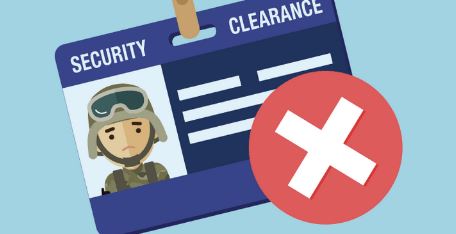
Protecting Your Clearance: Security Clearance Defense in Austin, Texas
Your security clearance is your professional lifeline. It enables your career, provides your livelihood, and grants you access to the work you have dedicated your life to. Whether you work at a defense contractor in the Domain, a government agency in downtown Austin, or a technology firm serving national security interests, your security clearance is essential. When that clearance is threatened—by criminal charges, financial difficulties, foreign influence concerns, or other issues—your career is on the line. A security clearance denial or revocation can end your career, cost you your job, and close doors you have worked years to open.
At Barton & Associates, Attorneys at Law, we represent clients throughout Austin and Central Texas in security clearance matters. From the neighborhoods of Central Austin to the communities of Round Rock, Cedar Park, Lakeway, Kyle, and Dripping Springs, our attorneys bring decades of experience to security clearance defense. We understand that a security clearance is not just a credential—it is the foundation of your career. We know the adjudicative guidelines, the investigative process, and the strategies for protecting your clearance when it is under attack.
Whether you are facing a security clearance investigation, have received a Statement of Reasons (SOR) or Letter of Intent (LOI) to deny or revoke your clearance, or are dealing with issues that may affect your eligibility, we provide the strategic guidance and aggressive representation you need to protect your career.
Understanding Security Clearances
A security clearance is a determination by the federal government that an individual is eligible for access to classified information. Clearances are required for many positions in the military, federal government, and defense contracting. The process of obtaining and maintaining a clearance is governed by federal regulations and the adjudicative guidelines.
Types of Security Clearances:
-
Confidential: The lowest level of clearance. Access to information that could cause damage to national security if disclosed.
-
Secret: Access to information that could cause serious damage to national security if disclosed.
-
Top Secret (TS): Access to information that could cause exceptionally grave damage to national security if disclosed.
-
Sensitive Compartmented Information (SCI): Additional clearance for access to intelligence sources and methods.
-
Special Access Programs (SAP): Additional clearance for access to highly sensitive programs.
Who Grants Clearances:
-
Department of Defense (DoD): The largest grantor of clearances, through the Defense Counterintelligence and Security Agency (DCSA).
-
Other Agencies: Department of Energy, Department of Homeland Security, CIA, FBI, NSA, and others each have their own clearance processes.
The Adjudicative Guidelines:
Security clearance determinations are governed by 13 adjudicative guidelines that assess an individual’s eligibility. These guidelines consider:
-
Allegiance to the United States
-
Foreign influence
-
Foreign preference
-
Sexual behavior
-
Personal conduct
-
Financial considerations
-
Alcohol consumption
-
Drug involvement
-
Emotional, mental, and personality disorders
-
Criminal conduct
-
Security violations
-
Outside activities
-
Misuse of information technology systems
For professionals in Austin, maintaining a security clearance requires ongoing vigilance and proactive management of potential issues.
What Can Cause a Security Clearance to Be Revoked?
Several factors can trigger a security clearance investigation or revocation. Understanding these triggers can help you address issues before they become problems.
Common Triggers:
-
Criminal Charges: Any arrest or criminal charge can trigger a clearance review. Even misdemeanors can affect eligibility.
-
Financial Issues: Significant debt, bankruptcy, tax problems, or unexplained wealth can raise concerns about vulnerability to coercion.
-
Drug or Alcohol Use: Illegal drug use, prescription drug abuse, or alcohol-related incidents (DWI, public intoxication) can affect clearance.
-
Foreign Influence: Foreign contacts, travel, or financial interests can raise concerns about foreign influence.
-
Personal Conduct: Dishonesty, misconduct, or violations of company or government policies.
-
Security Violations: Mishandling classified information or violating security protocols.
-
Mental Health: Certain mental health conditions can affect clearance eligibility, though seeking treatment is generally viewed favorably.
-
Lifestyle Issues: Sexual behavior, cohabitation, or other personal conduct may be considered if it raises security concerns.
Reporting Obligations:
Clearance holders have an obligation to report certain events to their security officer, including:
-
Arrests or criminal charges
-
Financial issues (bankruptcy, foreclosure, significant debt)
-
Foreign travel or contacts
-
Changes in personal circumstances
For professionals in Austin, understanding reporting obligations is essential to maintaining clearance.
How to Defend a Security Clearance Revocation
If you receive a Statement of Reasons (SOR) or Letter of Intent (LOI) indicating that your clearance may be denied or revoked, you have the right to respond and defend your eligibility.
The Process:
Step 1: Receive Notice
If the government intends to deny or revoke your clearance, you will receive a Statement of Reasons (SOR) or Letter of Intent (LOI). This document outlines the specific issues or concerns that form the basis for the proposed action.
Step 2: Respond in Writing
You have the right to respond in writing to the SOR or LOI. Your response should address each issue raised, provide mitigating information, and present evidence of your reliability and trustworthiness.
Step 3: Request a Hearing
In most cases, you have the right to request a hearing before an administrative judge. The hearing is your opportunity to present evidence, call witnesses, and argue that you should retain your clearance.
Step 4: Present Mitigating Evidence
The adjudicative guidelines recognize that many concerns can be mitigated by evidence of rehabilitation, changed circumstances, or other factors. Mitigating evidence may include:
-
Evidence of treatment or counseling (for drug, alcohol, or mental health issues)
-
Evidence of debt resolution or financial stability
-
Evidence of rehabilitation and changed behavior
-
Character references
-
Documentation of the circumstances surrounding the issue
Step 5: Appeal
If the decision is adverse, you may have the right to appeal. Appeals are typically based on procedural errors or new evidence not available at the time of the hearing.
The Importance of Counsel:
Security clearance cases are complex. The rules of evidence, the burden of proof, and the standards for mitigation are unique to this area. An experienced security clearance attorney can help you navigate the process and present the strongest possible defense.
For professionals in Austin, skilled representation can mean the difference between losing your clearance and keeping your career.
Criminal Charges and Security Clearances
Criminal charges are one of the most common triggers for security clearance review. Any arrest or criminal charge—even if ultimately dismissed—can affect your clearance.
How Criminal Charges Affect Clearance:
-
Reporting Obligation: You are generally required to report any arrest or criminal charge to your security officer.
-
Investigation: The government will investigate the circumstances of the charge and any resolution.
-
Adjudication: The clearance adjudicator will consider the nature of the offense, the circumstances, and evidence of rehabilitation.
Factors Considered:
-
The nature and severity of the offense
-
Whether the offense involved violence, drugs, or dishonesty
-
Whether you were convicted or the charges were dismissed
-
The circumstances surrounding the offense
-
Evidence of rehabilitation
-
The time that has passed since the offense
Mitigation for Criminal Conduct:
Even serious criminal conduct can be mitigated by:
-
Evidence that the conduct was aberrational
-
Evidence of rehabilitation and changed behavior
-
Completion of treatment programs
-
Positive employment and character references
-
Time since the conduct
Coordination of Defense:
If you are facing both criminal charges and a security clearance review, your defense must be coordinated. What you say in one proceeding can affect the other.
For professionals in Austin, protecting your clearance while defending against criminal charges requires an integrated defense strategy.
Financial Issues and Security Clearances
Financial issues—significant debt, bankruptcy, foreclosure, tax problems—are among the most common concerns in security clearance adjudication. The concern is that an individual in financial distress may be vulnerable to coercion or bribery.
What the Government Looks For:
-
Significant delinquent debt
-
Bankruptcy or foreclosure
-
Tax liens or unfiled tax returns
-
Unexplained wealth or lifestyle inconsistent with income
-
Gambling or other risky financial behavior
Mitigating Financial Concerns:
Financial issues can be mitigated by:
-
Evidence that the debt was incurred under circumstances beyond your control (medical bills, job loss)
-
Evidence that you are making good-faith efforts to resolve debt
-
Documentation of payment plans or debt resolution
-
Evidence that the financial issues are resolved or being addressed
-
Evidence that your financial situation has stabilized
The Importance of Disclosure:
Failure to disclose financial issues can be as damaging as the issues themselves. Honesty and transparency are essential.
For professionals in Austin, addressing financial issues proactively can prevent clearance problems.
Drug and Alcohol Issues
Drug and alcohol use is another common concern in security clearance adjudication. The concern is that substance abuse may impair judgment or make an individual vulnerable to coercion.
What the Government Looks For:
-
Illegal drug use
-
Prescription drug abuse
-
Alcohol abuse or alcohol-related incidents (DWI, public intoxication)
-
Failure to comply with treatment
Mitigating Drug and Alcohol Concerns:
Drug and alcohol issues can be mitigated by:
-
Evidence that the use was experimental or aberrational
-
Completion of treatment programs
-
Evidence of rehabilitation and sustained abstinence
-
Negative drug tests
-
Participation in support groups (AA, NA)
Seeking Treatment:
Seeking treatment for substance abuse is generally viewed favorably. The government recognizes that addressing the problem is a sign of responsibility.
For professionals in Austin, addressing substance abuse issues proactively can protect your clearance.
Can You Lose Your Security Clearance for a DWI?
Yes. A DWI (Driving While Intoxicated) can affect your security clearance. Alcohol-related incidents raise concerns about judgment, reliability, and potential alcohol abuse.
How DWI Affects Clearance:
-
Reporting Obligation: You must report the DWI to your security officer.
-
Investigation: The government will investigate the circumstances of the DWI.
-
Adjudication: The adjudicator will consider the nature of the incident, any prior incidents, and evidence of rehabilitation.
Mitigating a DWI:
A DWI can be mitigated by:
-
Evidence that the incident was aberrational
-
Completion of alcohol education or treatment programs
-
Evidence of rehabilitation and changed behavior
-
Time since the incident
-
No prior alcohol-related incidents
Multiple DWIs:
Multiple DWIs are more difficult to mitigate. The government will view a pattern of alcohol-related incidents as a significant concern.
For professionals in Austin, a DWI can threaten your clearance—but with proper mitigation, you may be able to retain it.
The Role of the Defense Security Service (DSS) and DCSA
The Defense Counterintelligence and Security Agency (DCSA) is responsible for conducting background investigations and making clearance determinations for most DoD contractors and agencies.
The Process:
-
Investigation: DCSA conducts a background investigation, which may include interviews, record checks, and reference checks.
-
Adjudication: The case is referred to an adjudicator who applies the adjudicative guidelines.
-
Decision: If issues are identified, the adjudicator may issue a Letter of Intent (LOI) or Statement of Reasons (SOR) proposing denial or revocation.
-
Response: You have the right to respond and request a hearing.
-
Final Decision: An administrative judge issues a final decision, which can be appealed.
The Importance of Representation:
Navigating the DCSA process requires knowledge of the adjudicative guidelines, the rules of evidence, and the standards for mitigation. An experienced security clearance attorney can help you present the strongest possible case.
For professionals in Austin, understanding the DCSA process is essential to protecting your clearance.
Frequently Asked Questions About Security Clearance Defense in Austin, Texas
When professionals come to our office—whether from Austin’s defense contractors, government agencies, or technology firms—they often have questions about security clearance defense. Here are the answers to the most common inquiries we receive.
What is a Statement of Reasons (SOR)?
A Statement of Reasons (SOR) is a formal notice from the government outlining the reasons why it is considering denying or revoking your security clearance. You have the right to respond to the SOR and request a hearing.
Can I lose my clearance for a misdemeanor?
Yes. Any criminal conduct—including misdemeanors—can affect your clearance. The adjudicator will consider the nature of the offense, the circumstances, and evidence of rehabilitation.
How long does a clearance revocation process take?
The process can take several months to over a year, depending on the complexity of the case, the issues involved, and whether a hearing is requested.
Do I need an attorney for security clearance defense?
Yes. Security clearance cases are complex, and the stakes are high—your career is on the line. An experienced security clearance attorney can help you navigate the process and present the strongest possible defense.
What is the difference between a clearance denial and revocation?
Denial occurs when you are applying for a clearance and the government determines you are not eligible. Revocation occurs when you already have a clearance and the government determines it should be taken away.
Can I appeal a clearance revocation?
Yes. You have the right to appeal an adverse decision. Appeals are typically based on procedural errors or new evidence not available at the time of the hearing.
What should I do if I am contacted by an investigator?
If you are contacted by a security investigator, be honest and cooperative. Do not provide information without understanding the context. If you have concerns, consult with an attorney before speaking.
Why Barton & Associates for Security Clearance Defense in Austin
Security clearance defense requires attorneys who understand the adjudicative guidelines, the investigative process, and the strategies for presenting mitigating evidence. The attorneys at Barton & Associates bring decades of experience to security clearance matters, helping professionals protect their careers.
We are deeply rooted in the Austin professional community. We understand the defense contractors, government agencies, and technology firms that employ clearance holders in Central Texas. This local knowledge allows us to advise clients accurately and advocate effectively.
We are also committed to a client-centered approach. We take the time to understand your career, your clearance issues, and your goals. We explain your options in clear, straightforward language, and we provide honest advice about the best path forward.
Take the First Step Toward Protecting Your Clearance
If your security clearance is under threat, your career is on the line. Do not wait. The sooner you have an experienced attorney on your side, the better your chances of protecting your clearance and your career. At Barton & Associates, we are here to fight for you.
Call our Austin office today at 512-THE-FIRM (843-3476) to speak with an experienced security clearance defense attorney about your case. You can also complete the online Free Consultation form on our website to schedule a confidential meeting. Please note, on-site consultations are by appointment only. We look forward to helping you protect your clearance and your career.
Main Category: Criminal Defense Austin
Practice Area Category: Military, Professional or Student
Barton & Associates, Attorneys at Law
316 W 12th St Suite 400, Austin, TX 78701
Office: 512-THE-FIRM (843-3476)