The Supply Chain: Manufacture/Delivery of Controlled Substance Defense in Austin, Texas
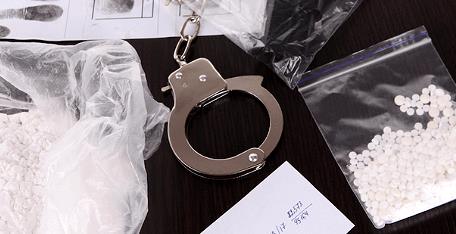
A large quantity of drugs. Cash. Packaging materials. A phone with messages. In Texas, these are the building blocks of a manufacture or delivery charge—one of the most aggressively prosecuted drug offenses. Unlike simple possession, which focuses on personal use, manufacture and delivery charges allege that you were part of the supply chain. The penalties are severe: years or decades in prison, massive fines, and a permanent felony record. For those facing these charges, the stakes could not be higher.
At Barton & Associates, Attorneys at Law, we defend clients throughout Austin and Central Texas against manufacture and delivery charges. From the neighborhoods of Central Austin to the communities of Round Rock, Cedar Park, Lakeway, Kyle, and Dripping Springs, our attorneys bring decades of experience to criminal defense. We understand that these cases often hinge on questionable informants, circumstantial evidence, and aggressive police tactics. We know how to challenge the evidence, attack the credibility of informants, and build a defense that protects your freedom.
Whether you are facing charges for manufacturing methamphetamine, delivering cocaine, or selling prescription pills, we provide the strategic guidance and aggressive representation you need to fight back.
Understanding Manufacture/Delivery Charges in Texas
Under Texas law, manufacture and delivery are separate but related offenses. Both carry severe penalties that increase with the amount of drugs involved.
Manufacture: The production, preparation, or compounding of a controlled substance. This includes growing marijuana, cooking methamphetamine, or pressing pills.
Delivery: The transfer of a controlled substance to another person. This includes selling, giving, or even offering to sell drugs.
Penalty Groups:
The penalties depend on the Penalty Group and the amount:
Penalty Group 1 (Cocaine, Heroin, Meth):
-
Less than 1 gram: State jail felony (180 days to 2 years)
-
1 gram to 4 grams: Second-degree felony (2 to 20 years)
-
4 grams to 200 grams: First-degree felony (5 to 99 years)
-
200 grams to 400 grams: First-degree felony (10 to 99 years)
-
400 grams or more: First-degree felony (15 to 99 years or life)
Penalty Group 2 (Ecstasy, PCP):
-
Less than 1 gram: State jail felony
-
1 gram to 4 grams: Second-degree felony
-
4 grams to 400 grams: First-degree felony (5 to 99 years)
-
400 grams or more: First-degree felony (10 to 99 years or life)
Penalty Group 3 (Xanax, Valium):
-
Less than 28 grams: State jail felony
-
28 grams to 200 grams: Second-degree felony
-
200 grams to 400 grams: First-degree felony (5 to 99 years)
-
400 grams or more: First-degree felony (10 to 99 years or life)
Marijuana:
-
Less than 5 pounds: State jail felony
-
5 to 50 pounds: Third-degree felony (2 to 10 years)
-
50 to 2,000 pounds: Second-degree felony (2 to 20 years)
-
More than 2,000 pounds: First-degree felony (5 to 99 years or life)
For families in Austin, a manufacture or delivery charge can mean decades in prison.
What Is the Penalty for Manufacture or Delivery of a Controlled Substance?
The penalty depends on the Penalty Group and the amount.
State Jail Felony:
-
180 days to 2 years in state jail
-
Fine of up to $10,000
Second-Degree Felony:
-
2 to 20 years in prison
-
Fine of up to $10,000
First-Degree Felony:
-
5 to 99 years or life in prison
-
Fine of up to $10,000
Enhanced Penalties:
-
Drug-free zones (within 1,000 feet of a school) increase the penalty by one grade
-
Prior convictions can enhance the penalty
Collateral Consequences:
-
Loss of Firearm Rights: A felony conviction results in lifetime prohibition
-
Loss of Financial Aid: Ineligible for federal student aid
-
Loss of Professional License: Licensing boards may deny or revoke licenses
-
Immigration Consequences: Non-citizens face mandatory deportation
-
Employment: Many employers will not hire individuals with drug trafficking convictions
For families in Austin, a manufacture or delivery conviction can end your career and your freedom.
How to Defend a Manufacture/Delivery Charge
Defending against a manufacture or delivery charge requires a strategic approach. The State must prove you knowingly manufactured or delivered a controlled substance.
Defense 1: Unlawful Search and Seizure
Manufacture and delivery cases often begin with search warrants or informant operations. The Fourth Amendment protects against unreasonable searches and seizures. Your attorney can challenge:
-
No Probable Cause: The search warrant was not supported by probable cause
-
Staleness: The information in the warrant was too old to establish probable cause
-
Misleading Affidavit: The warrant affidavit contained false or misleading statements
-
Illegal Stop: The traffic stop that led to discovery was illegal
If the search was illegal, the evidence cannot be used against you.
Defense 2: Challenging Informant Credibility
Many manufacture and delivery cases rely on confidential informants. Informants are often unreliable, motivated by leniency in their own cases, and paid for their cooperation. Your attorney can challenge:
-
The informant’s criminal history
-
The informant’s motivation to lie
-
Whether the informant was paid
-
Whether the informant was induced to make a case
Defense 3: No Knowledge
The State must prove you knew the substance was a controlled substance. If you were set up, tricked, or did not know what you were transporting, you have a defense.
Defense 4: No Delivery
The State must prove an actual transfer occurred. If you were merely present, or if no drugs changed hands, you have a defense.
Defense 5: Lab Errors
The State must prove the substance is actually a controlled substance. Lab errors, chain of custody issues, or misidentification can be challenged.
Defense 6: Entrapment
If law enforcement induced you to commit an offense you would not otherwise have committed, entrapment is a defense. This is common in undercover operations where officers repeatedly pressure a target to sell drugs.
For families in Austin, a strong defense can mean the difference between decades in prison and freedom.
The Role of Confidential Informants
Confidential informants are the backbone of many manufacture and delivery investigations. They are also one of the weakest links in the State’s case.
Why Informants Are Unreliable:
-
They are often facing their own criminal charges
-
They are motivated by leniency or money
-
They may lie to make a case
-
They may exaggerate or fabricate information
-
They may set up innocent people
What to Look For:
-
Does the informant have a criminal history?
-
Is the informant being paid?
-
Is the informant facing charges that could be reduced?
-
Has the informant worked for law enforcement before?
-
Has the informant been reliable in past cases?
Challenging the Informant:
Your attorney can:
-
Request disclosure of the informant’s identity (in some cases)
-
Investigate the informant’s background
-
Cross-examine the informant about their motives
-
Present evidence of the informant’s unreliability
For families in Austin, challenging the informant is often the key to the defense.
Undercover Operations and Sting Operations
Many manufacture and delivery cases arise from undercover operations where officers pose as buyers. These operations can cross the line into entrapment.
How Undercover Operations Work:
-
An undercover officer contacts a target
-
The officer asks to buy drugs
-
The target agrees and delivers the drugs
-
The target is arrested
When It’s Entrapment:
Entrapment occurs when:
-
The officer induced you to commit the offense
-
You were not predisposed to commit the offense
What Is Not Entrapment:
-
The officer simply providing an opportunity
-
The officer asking if you have drugs
-
You initiating the conversation
Defending Undercover Cases:
-
Entrapment: The officer induced you to sell drugs
-
No Delivery: No drugs actually changed hands
-
Mistaken Identity: You were not the person the officer dealt with
For families in Austin, undercover cases require a careful analysis of entrapment.
Manufacturing Charges: Meth Labs and Grow Houses
Manufacturing charges often involve methamphetamine labs or marijuana grow houses. These cases carry unique challenges and defenses.
Meth Labs:
-
Manufacturing methamphetamine is a first-degree felony
-
The presence of chemicals, equipment, and precursors can support a charge
-
Environmental hazards often lead to involvement of DEA
Defending Meth Lab Cases:
-
No Manufacturing: You were not involved in manufacturing
-
No Knowledge: You did not know what was happening
-
Unlawful Search: The search warrant was invalid
-
Lab Errors: The substance was not actually meth
Marijuana Grow Houses:
-
Growing marijuana is manufacturing under Texas law
-
The number of plants affects the penalty
-
Electricity theft often leads to discovery
Defending Grow House Cases:
-
Personal Use: The amount was for personal use, not manufacturing
-
No Knowledge: You did not know about the grow operation
-
Unlawful Search: The search was illegal
For families in Austin, manufacturing cases require aggressive defense.
Drug-Free Zones: Enhanced Penalties
If a manufacture or delivery offense occurs within 1,000 feet of a school, playground, youth center, or public swimming pool, the penalties are significantly enhanced.
How Drug-Free Zones Work:
-
The penalty is increased by one grade
-
A state jail felony becomes a third-degree felony
-
A second-degree felony becomes a first-degree felony
-
A first-degree felony remains a first-degree felony but the minimum sentence increases
Defending Drug-Free Zone Cases:
-
Distance: Was the offense actually within 1,000 feet?
-
School in Session: Some enhancements apply only when children are present
-
Location: Is the location actually a school or youth center?
For families in Austin, a drug-free zone enhancement can add years to your sentence.
Conspiracy Charges
In addition to manufacture and delivery charges, you may face conspiracy charges. Conspiracy alleges that you agreed with others to commit a drug offense.
What the State Must Prove:
-
An agreement to commit a drug offense
-
An overt act in furtherance of the agreement
Defending Conspiracy:
-
No Agreement: You did not agree to participate
-
No Act: No overt act was committed
-
Withdrawal: You withdrew from the conspiracy
-
Lack of Knowledge: You did not know about the conspiracy
For families in Austin, conspiracy charges can reach people who never touched drugs.
Frequently Asked Questions About Manufacture/Delivery in Austin, Texas
When clients come to our office—whether from Austin’s central neighborhoods, the suburbs to the north and south, or the Hill Country communities—they often have questions about manufacture and delivery charges. Here are the answers to the most common inquiries we receive.
What is the difference between manufacture and delivery?
Manufacture is producing or preparing drugs. Delivery is transferring drugs to another person. Both are separate crimes with similar penalties.
What is the penalty for selling drugs in Texas?
The penalty depends on the drug and the amount. Selling small amounts can be a state jail felony; selling large amounts can be a first-degree felony with decades in prison.
Can I be charged with delivery if I didn’t actually give anyone drugs?
Yes. An offer to sell is delivery. You do not need to complete the transaction to be charged.
What is entrapment?
Entrapment occurs when law enforcement induces you to commit an offense you would not otherwise have committed. It is a defense to criminal charges.
What is a confidential informant?
A confidential informant is a person who provides information to law enforcement in exchange for leniency or payment. Informants are often unreliable, and their testimony can be challenged.
What is a drug-free zone?
A drug-free zone is an area within 1,000 feet of a school, playground, youth center, or public swimming pool. Offenses in drug-free zones carry enhanced penalties.
Do I need an attorney for a manufacture/delivery charge?
Yes. Manufacture and delivery charges carry decades in prison. You need an experienced attorney who can challenge informants, search warrants, and the evidence.
Why Barton & Associates for Manufacture/Delivery Defense in Austin
Manufacture and delivery defense requires attorneys who understand undercover operations, informant credibility, search warrant challenges, and the complex penalty structures. The attorneys at Barton & Associates bring decades of experience to this area of criminal defense, helping clients avoid decades in prison.
We are deeply rooted in the Austin legal community. We have handled manufacture and delivery cases in Travis County courts for decades and understand the local prosecutors, the law enforcement tactics, and the strategies that work. This local knowledge allows us to advise clients accurately and advocate effectively.
We are also committed to a client-centered approach. We take the time to understand your case, your goals, and your concerns. We explain your options in clear, straightforward language, and we provide honest advice about the best path forward.
Take the First Step Toward Protecting Your Freedom
If you are facing a manufacture or delivery charge, your freedom is on the line. Decades in prison are at stake. Do not wait. The sooner you have an experienced attorney on your side, the better your chances of a favorable outcome. At Barton & Associates, we are here to fight for you.
Call our Austin office today at 512-THE-FIRM (843-3476) to speak with an experienced criminal defense attorney about your case. You can also complete the online Free Consultation form on our website to schedule a confidential meeting. Please note, on-site consultations are by appointment only. We look forward to helping you protect your rights and your future.
Main Category: Criminal Defense Austin
Practice Area Category: Drug Crimes
Barton & Associates, Attorneys at Law
316 W 12th St Suite 400, Austin, TX 78701
Office: 512-THE-FIRM (843-3476)