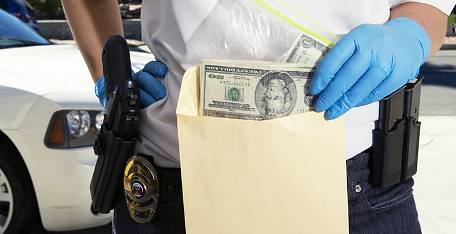
Taking What’s Not Theirs: Asset Forfeiture Defense in Austin, Texas
Your car was seized during a traffic stop. Your cash was taken during a search. Your home is now the subject of a forfeiture action. You haven’t been charged with a crime. You haven’t been convicted. But the government is trying to take your property anyway. This is civil asset forfeiture—a legal process that allows law enforcement to seize and permanently take property based on the allegation that it was involved in criminal activity. No conviction required. No criminal charge necessary. Just property.
At Barton & Associates, Attorneys at Law, we defend clients throughout Austin and Central Texas against asset forfeiture. From the neighborhoods of Central Austin to the communities of Round Rock, Cedar Park, Lakeway, Kyle, and Dripping Springs, our attorneys bring decades of experience to forfeiture defense. We understand that asset forfeiture is one of the most powerful—and often abused—tools law enforcement has. We know the procedural traps, the strict deadlines, and the strategies for getting your property back.
Whether the government has seized your vehicle, your cash, your firearms, or your home, we provide the strategic guidance and aggressive representation you need to fight back.
Understanding Civil Asset Forfeiture in Texas
Civil asset forfeiture is a legal action against property—not a person. The government sues the property itself, alleging it was used in or derived from criminal activity. The property owner must fight to get it back.
How It Works:
-
Seizure: Law enforcement takes your property
-
Notice: You receive a notice of seizure and intended forfeiture
-
Deadline: You have a strict deadline to file a claim (typically 30 days)
-
Hearing: If you file a claim, a hearing is held
-
Burden of Proof: The government must prove by a preponderance of the evidence that the property is subject to forfeiture
What Can Be Seized:
-
Cash
-
Vehicles
-
Firearms
-
Real estate
-
Boats, ATVs, and other vehicles
-
Any property alleged to be involved in criminal activity
The Government’s Burden:
The government must prove by a preponderance of the evidence (more likely than not) that the property is subject to forfeiture. No criminal conviction is required.
For families in Austin, asset forfeiture can take your property without ever proving you committed a crime.
How to Get Your Seized Property Back in Texas
Getting your property back requires prompt action. The deadlines are strict, and missing them means losing your property permanently.
Step 1: File a Claim
If you receive a notice of seizure and intended forfeiture, you must file a claim within the deadline—typically 30 days. The claim must identify you as the owner and state your interest in the property.
Step 2: Request a Hearing
You have the right to a hearing to contest the forfeiture. The hearing is your opportunity to present evidence and argue that your property should be returned.
Step 3: Present Your Defense
Your defense may include:
-
You are the innocent owner (you did not know about or consent to the criminal use)
-
The property was not used in criminal activity
-
The seizure was unlawful
-
The forfeiture is excessive and violates the Eighth Amendment
Step 4: Negotiate
In some cases, you may be able to negotiate a settlement—paying a fine or agreeing to conditions to get your property back.
Step 5: Litigate
If negotiations fail, you may need to litigate the case to a final decision.
The Danger of Delay:
If you do not file a timely claim, you lose your right to contest the forfeiture. Your property is forfeited automatically. There is no second chance.
For families in Austin, time is of the essence when your property has been seized.
What Is the Innocent Owner Defense?
The innocent owner defense is one of the most powerful tools to recover seized property. If you can prove you were unaware of the criminal use of your property, you may be entitled to its return.
What You Must Prove:
-
You are the owner of the property
-
You did not know about the criminal activity
-
You did not consent to the criminal use of your property
Examples of Innocent Owner Cases:
-
Your car was seized because a passenger had drugs, but you did not know
-
Your cash was seized because someone else was carrying it, but it was yours
-
Your home is subject to forfeiture because a tenant was selling drugs, but you had no knowledge
What Is Not an Innocent Owner Defense:
-
“I didn’t know it was illegal” is not a defense
-
“I was just holding it for someone” may not be a defense
-
Knowledge or willful blindness will defeat the defense
The Burden of Proof:
The burden is on you to prove your innocence. You must present evidence that you did not know about or consent to the criminal activity.
For families in Austin, the innocent owner defense can be the key to getting your property back.
The 30-Day Deadline: Miss It and Lose Everything
Asset forfeiture cases are governed by strict deadlines. Missing a deadline can result in automatic, permanent loss of your property.
Key Deadlines:
-
Filing a Claim: Typically 30 days from the date of notice
-
Requesting a Hearing: Often within 30 days of filing a claim
-
Answering the Complaint: 20-30 days after service
What Happens If You Miss a Deadline:
-
You lose your right to contest the forfeiture
-
Your property is forfeited automatically
-
You cannot appeal
-
There is no second chance
The Trap of “Do Nothing”:
Many people receive notice of forfeiture and do nothing, thinking the government will eventually return their property. The opposite is true. If you do nothing, your property is gone.
What to Do:
-
If you receive a notice, contact an attorney immediately
-
Do not ignore it
-
File a claim before the deadline
For families in Austin, immediate action is essential.
Seized Vehicles: The Most Common Forfeiture
Vehicles are among the most commonly seized property in asset forfeiture cases. A traffic stop, a search, an arrest—any of these can lead to your car being taken.
Why Vehicles Are Seized:
-
The vehicle was used to transport drugs
-
The vehicle was used in a drug transaction
-
The vehicle was purchased with drug proceeds
-
The vehicle was used in any alleged criminal activity
Getting Your Car Back:
-
Innocent Owner: If you did not know about the drugs or criminal activity
-
No Nexus: If the vehicle was not actually used in the crime
-
Unlawful Seizure: If the traffic stop or search was illegal
The Cost of Delay:
Your car is not earning while it sits in impound. Storage fees accumulate. The longer you wait, the more it costs.
For families in Austin, a seized vehicle can disrupt your life—but you can fight to get it back.
Seized Cash: “Policing for Profit”
Cash seizures are among the most controversial asset forfeiture practices. Law enforcement can seize cash based on the allegation that it is drug proceeds—often with no other evidence.
Why Cash Is Seized:
-
The cash was found near drugs
-
The cash was in large denominations
-
The cash was in a vehicle that smelled of marijuana
-
A drug dog alerted on the cash
Getting Your Cash Back:
-
Legitimate Source: You can prove the cash came from a legitimate source (employment, business, savings)
-
Innocent Owner: You did not know about any criminal activity
-
No Nexus: The cash was not connected to criminal activity
The Burden:
Once cash is seized, the burden shifts to you to prove it is legitimate. You must present evidence of its source.
For families in Austin, cash seizures can be devastating—but you can fight back.
The Eighth Amendment and Excessive Fines
The Eighth Amendment prohibits excessive fines. In some cases, forfeiture of your property may be so disproportionate to the alleged offense that it violates the Constitution.
When Forfeiture Is Excessive:
-
The value of the property is grossly disproportionate to the offense
-
The property was not used directly in the offense
-
The offense was minor or technical
-
You face criminal penalties in addition to forfeiture
The Supreme Court Has Ruled:
The U.S. Supreme Court has held that the Eighth Amendment’s prohibition on excessive fines applies to civil asset forfeiture. If the forfeiture is grossly disproportionate, it is unconstitutional.
Examples of Excessive Forfeiture:
-
Forfeiture of a $50,000 vehicle for possession of a small amount of marijuana
-
Forfeiture of a family home for a minor drug offense
-
Forfeiture of a hunting rifle for a game violation
For families in Austin, the Eighth Amendment provides a powerful check on government overreach.
Federal vs. State Asset Forfeiture
Asset forfeiture can be pursued under state law or federal law. The rules differ.
State Forfeiture:
-
Governed by Texas law
-
Cases are heard in state court
-
The government must prove its case by a preponderance of the evidence
Federal Forfeiture:
-
Governed by federal law
-
Cases are heard in federal court
-
The government has more resources
-
Federal forfeiture often involves larger amounts
Adoption:
State and local law enforcement can “adopt” cases to federal forfeiture, which allows them to keep a larger share of the proceeds. This practice is controversial but common.
For families in Austin, understanding whether your case is state or federal is essential.
Frequently Asked Questions About Asset Forfeiture in Austin, Texas
When clients come to our office—whether from Austin’s central neighborhoods, the suburbs to the north and south, or the Hill Country communities—they often have questions about getting their property back. Here are the answers to the most common inquiries we receive.
How long does law enforcement have to file forfeiture proceedings?
There is no fixed deadline, but if they do not file within a reasonable time, you may be able to demand return of your property. If you receive a notice of seizure, you must file a claim within 30 days.
Can I get my car back if I wasn’t charged with a crime?
Yes. If you were never charged, the government has no basis to keep your property. You should demand its return immediately.
What is the innocent owner defense?
The innocent owner defense allows you to recover your property if you can prove you did not know about or consent to the criminal use of your property.
What is the 30-day deadline?
If you receive a notice of seizure and intended forfeiture, you have 30 days to file a claim. Miss the deadline, and your property is forfeited automatically.
Can the government keep my property if I am acquitted?
Yes. Civil forfeiture is separate from criminal proceedings. Even if you are acquitted of the underlying crime, the government may still keep your property in a civil forfeiture action.
What is the Eighth Amendment challenge?
The Eighth Amendment prohibits excessive fines. If the value of the property is grossly disproportionate to the offense, the forfeiture may be unconstitutional.
Do I need an attorney for asset forfeiture?
Yes. Asset forfeiture is complex, the deadlines are strict, and the rules are stacked against you. An experienced attorney can help you navigate the process and protect your rights.
Why Barton & Associates for Asset Forfeiture Defense in Austin
Asset forfeiture requires attorneys who understand the procedural traps, the deadlines, and the strategies for reclaiming your property. The attorneys at Barton & Associates bring decades of experience to forfeiture defense, helping clients recover their vehicles, cash, firearms, and other property.
We are deeply rooted in the Austin legal community. We have handled forfeiture cases in Travis County courts for decades and understand the local practices, the deadlines, and the strategies that work. This local knowledge allows us to advise clients accurately and advocate effectively.
We are also committed to a client-centered approach. We take the time to understand your property, your rights, and your goals. We explain your options in clear, straightforward language, and we provide honest advice about the best path forward.
Take the First Step Toward Getting Your Property Back
If your property has been seized, every day you wait increases the risk that you will lose it permanently. Do not wait for the government to contact you. Act now. At Barton & Associates, we are here to help you fight for your property.
Call our Austin office today at 512-THE-FIRM (843-3476) to speak with an experienced attorney about asset forfeiture. You can also complete the online Free Consultation form on our website to schedule a confidential meeting. Please note, on-site consultations are by appointment only. We look forward to helping you get your property back.
Main Category: Criminal Defense Austin
Practice Area Category: Drug Crimes
Barton & Associates, Attorneys at Law
316 W 12th St Suite 400, Austin, TX 78701
Office: 512-THE-FIRM (843-3476)