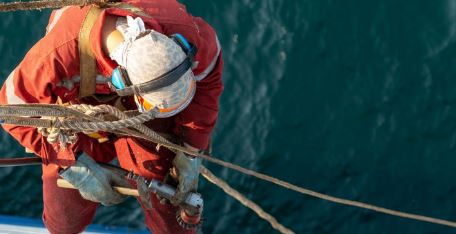
Maritime & Offshore (Jones Act) in Corpus Christi: Protecting Workers and Seamen Injured on the Water
Corpus Christi is a maritime city. From the Port of Corpus Christi—one of the largest and busiest ports in the nation—to the offshore oil and gas platforms in the Gulf of Mexico, to the shipyards, fishing fleets, and tugboats that work our waters, the maritime industry is the backbone of our local economy. For the men and women who work on these vessels and offshore facilities, the job comes with unique risks. When injuries occur, the legal landscape is unlike any other. State workers’ compensation laws do not apply. Instead, maritime workers are protected by federal laws like the Jones Act, the Longshore and Harbor Workers’ Compensation Act, and general maritime law. In Corpus Christi and throughout the Coastal Belt, maritime injury cases require attorneys who understand these complex federal laws and the unique challenges of offshore litigation.
At Barton & Associates, Attorneys at Law, we represent maritime workers and their families throughout Corpus Christi and the Coastal Bend who have been injured on the water. Whether you work on a vessel, at the port, on an offshore platform, or in a shipyard, we provide the knowledgeable, aggressive representation you need to seek justice and recover the compensation you deserve. With extensive experience in maritime law, we guide our clients through every stage of the complex claims process.
Understanding Maritime Law
Maritime law—also known as admiralty law—is a distinct body of federal law that governs injuries that occur on navigable waters. Unlike land-based workers, maritime workers are not covered by state workers’ compensation laws. Instead, their rights are protected by federal statutes and general maritime law.
Who Is a Maritime Worker?
Maritime workers include:
- Seamen: Crew members who work on vessels in navigation, including offshore supply vessels, tugboats, barges, shrimp boats, and crew boats
- Longshore and harbor workers: Dockworkers, stevedores, shipyard workers, and others who work on the docks or in shipyards
- Offshore platform workers: Workers on fixed platforms, jack-up rigs, and other offshore facilities
Key Federal Maritime Laws
The Jones Act (46 U.S.C. § 30104)
The Jones Act protects seamen—workers who spend a significant portion of their employment aboard a vessel in navigation. It allows injured seamen to sue their employers for negligence.
The Longshore and Harbor Workers’ Compensation Act (LHWCA)
The LHWCA provides workers’ compensation benefits to maritime workers who are not covered by the Jones Act, including dockworkers, shipyard workers, and harbor workers.
General Maritime Law
General maritime law provides additional remedies for injured maritime workers, including maintenance and cure, and claims for unseaworthiness.
The Jones Act: Protection for Seamen
The Jones Act is the primary federal law protecting seamen who are injured on the job. Unlike state workers’ compensation, which is no-fault, the Jones Act requires the worker to prove that the employer’s negligence caused the injury.
Who Is a Seaman?
To qualify as a seaman under the Jones Act, you must:
- Have a significant connection to a vessel in navigation
- Spend at least 30% of your work time aboard the vessel
This includes:
- Crew members on offshore supply vessels
- Tugboat and barge crews
- Commercial fishermen
- Dredge crews
- Ferry workers
What Must Be Proved in a Jones Act Case?
To succeed in a Jones Act claim, you must prove:
- Your employer was negligent
- The negligence caused your injury
- You suffered damages
The burden of proof is lower than in a typical negligence case. You only need to show that the employer’s negligence played some part—even a small part—in causing your injury.
Common Jones Act Claims
Unsafe Equipment
Employers must provide safe equipment. Defective winches, cranes, deck machinery, or safety equipment can lead to Jones Act claims.
Unsafe Vessel
Vessels must be seaworthy. A vessel with dangerous conditions, inadequate safety equipment, or improper training is unseaworthy.
Inadequate Crew
Understaffed vessels lead to overworked crew members, fatigue, and increased risk of injury.
Failure to Provide Safe Working Conditions
Employers must provide a safe workplace, including proper training, supervision, and safety protocols.
Negligent Assignment
Assigning a worker to a task they are not qualified to perform can be negligence.
Assault by Crewmates
Employers can be liable for assaults by crewmates if they knew or should have known of the risk.
Maintenance and Cure
Under general maritime law, injured seamen are entitled to “maintenance and cure” regardless of fault. This includes:
- Maintenance: Daily living expenses while recovering
- Cure: Medical expenses related to the injury
Maintenance and cure continues until the worker reaches maximum medical improvement. Failure to pay maintenance and cure can result in additional damages.
Unseaworthiness
A vessel owner has an absolute duty to provide a seaworthy vessel. “Unseaworthiness” includes:
- Defective equipment
- Dangerous conditions
- Inadequate crew
- Improper training
- Unsafe procedures
Unlike negligence, unseaworthiness does not require proof of fault—only that the vessel was not reasonably fit for its intended use.
The Longshore and Harbor Workers’ Compensation Act (LHWCA)
Workers who are not covered by the Jones Act—including dockworkers, shipyard workers, and harbor workers—are protected by the LHWCA.
Who Is Covered?
The LHWCA covers:
- Longshore workers
- Stevedores
- Shipyard workers
- Harbor workers
- Marine construction workers
- Terminal employees
Benefits Under the LHWCA
The LHWCA provides:
- Medical benefits
- Disability benefits (temporary and permanent)
- Vocational rehabilitation
- Death benefits for surviving family members
Unlike the Jones Act, the LHWCA is a no-fault system. Workers do not need to prove employer negligence to receive benefits.
Third-Party Claims
Even if you receive LHWCA benefits, you may still have claims against third parties, such as:
- Vessel owners (for unseaworthiness)
- Equipment manufacturers
- Contractors
- Other negligent parties
Common Maritime Injuries
Maritime workers face unique hazards:
Deck and Vessel Accidents
- Slips and falls on wet decks
- Falls from heights
- Being struck by cargo or equipment
- Crush injuries
Equipment Accidents
- Winch and crane accidents
- Defective deck machinery
- Falling objects
Offshore Platform Accidents
- Helicopter crashes
- Fires and explosions
- Falls from rigs
- Equipment failures
Repetitive Stress Injuries
- Back injuries
- Carpal tunnel syndrome
- Hearing loss
Exposure Injuries
- Chemical exposure
- Asbestos exposure
- Silica exposure
Diving Accidents
- Decompression sickness
- Equipment failure
The Maritime Injury Case Process
Maritime cases require specialized expertise:
Step 1: Report the Injury
Report the injury to your supervisor immediately. Ensure it is documented in the vessel’s log.
Step 2: Seek Medical Care
Seek immediate medical attention. Follow all treatment recommendations.
Step 3: Preserve Evidence
- Take photographs of the accident scene
- Identify witnesses
- Preserve equipment
- Obtain vessel logs and records
Step 4: Consult an Attorney
An experienced maritime attorney can evaluate your case and advise you on your rights under the Jones Act, LHWCA, or general maritime law.
Step 5: Investigation
Your attorney conducts a thorough investigation, including:
- Reviewing vessel logs
- Obtaining maintenance records
- Interviewing crew members
- Consulting with maritime experts
Step 6: Identify Responsible Parties
Your attorney identifies all parties who may be liable, including:
- The vessel owner
- The employer
- Equipment manufacturers
- Contractors
Step 7: Demand and Negotiation
Your attorney sends a demand letter and negotiates with the responsible parties and their insurers.
Step 8: Litigation
If a fair settlement cannot be reached, your attorney files a lawsuit and pursues your claim in federal court.
Frequently Asked Questions About Maritime & Offshore Injuries
What is the Jones Act?
The Jones Act is a federal law that allows seamen to sue their employers for on-the-job injuries caused by negligence.
What is the difference between the Jones Act and the LHWCA?
The Jones Act covers seamen who work aboard vessels. The LHWCA covers dockworkers, shipyard workers, and other maritime workers who do not qualify as seamen.
What is maintenance and cure?
Maintenance and cure are benefits available to injured seamen under general maritime law. Maintenance covers daily living expenses; cure covers medical expenses.
What is unseaworthiness?
Unseaworthiness is a legal doctrine that holds vessel owners liable for injuries caused by dangerous conditions on the vessel, regardless of fault.
How long do I have to file a Jones Act claim?
Jones Act claims generally have a three-year statute of limitations from the date of injury.
What damages can I recover under the Jones Act?
You may recover medical expenses, lost wages, pain and suffering, and in cases of death, wrongful death damages.
What if I was partially at fault?
Under the Jones Act, your recovery is reduced by your percentage of fault, but you can still recover as long as the employer was partially at fault.
What should I do if I’m injured offshore?
Report the injury to your supervisor immediately. Seek medical attention. Do not give a recorded statement without an attorney. Contact a maritime attorney.
Do I need an attorney for a maritime injury case?
Yes. Maritime cases are governed by complex federal laws and involve unique doctrines like unseaworthiness and maintenance and cure. An experienced maritime attorney can help you navigate the process and maximize your recovery.
How much does it cost to hire a maritime attorney?
Most maritime attorneys work on a contingency fee basis—you pay nothing upfront, and the attorney is paid a percentage of any recovery.
Why Barton & Associates Is the Right Choice for Your Maritime Injury Case
Maritime injury cases require attorneys who understand the unique federal laws that govern these claims, including the Jones Act, the LHWCA, and general maritime law. At Barton & Associates, Attorneys at Law, we have extensive experience representing maritime workers in Corpus Christi and throughout the Coastal Belt.
Our attorneys understand the unique hazards of maritime work, the importance of preserving evidence like vessel logs, and the strategies for proving negligence and unseaworthiness. We work closely with our clients to investigate the facts, gather evidence, and build a compelling case for full compensation.
We also understand that maritime injury cases require swift action. Evidence can be lost, and statutes of limitations are strict. Our attorneys act quickly to protect your rights and preserve your claims.
Seek Justice for Maritime Injuries Today
If you have been injured working on the water in Corpus Christi, you have the right to seek justice under federal maritime law. Do not wait. Evidence can be lost, and statutes of limitations are strict.
Contact the experienced maritime injury attorneys at Barton & Associates today. Call us directly at 361-800-6780 to speak with a member of our team. You may also complete the Free Consultation form on our website, and we will reach out to you promptly. Please note that all on-site consultations at our Corpus Christi office are by appointment only, ensuring that we can give your case the focused attention it requires.
Reach out today—let us help you hold negligent employers accountable and recover the compensation you deserve.
Main Category: Personal Injury Corpus Christi
Practice Area Category: Transportation & Mass Torts
Barton & Associates, Attorneys at Law
5110 Wilkinson Dr Suite 210, Corpus Christi, TX 78415
Office: 361-800-6780