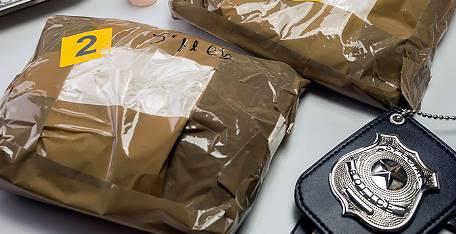
Federal Drug Crimes Defense in Corpus Christi: Fighting Serious Federal Drug Charges
When a drug crime crosses state lines, involves a federal agency, or triggers federal jurisdiction, the stakes rise dramatically. Federal drug crimes carry mandatory minimum sentences, no parole, and penalties that can span decades. In Corpus Christi and throughout the Coastal Bend, federal prosecutors aggressively pursue drug trafficking cases—from cocaine and methamphetamine to fentanyl and marijuana distribution. Unlike state court, where judges have discretion, federal court often imposes mandatory sentences that must be served in full. When you are facing federal drug charges, your freedom, your future, and your life are on the line. You need a defense attorney who understands federal law, federal procedure, and the federal sentencing guidelines.
At Barton & Associates, Attorneys at Law, we defend individuals throughout Corpus Christi and the Coastal Belt who are charged with federal drug crimes. Whether your case involves cocaine trafficking, methamphetamine distribution, fentanyl conspiracy, or any other federal drug offense, we provide the aggressive, knowledgeable representation you need to protect your rights and your future. With extensive experience in the United States District Court for the Southern District of Texas, we guide our clients through every stage of the federal criminal justice process.
Understanding Federal Drug Crimes
Federal drug crimes are prosecuted under the Controlled Substances Act (21 U.S.C. § 841 et seq.). These offenses carry severe penalties, mandatory minimum sentences, and no possibility of parole.
Common Federal Drug Offenses
Possession with Intent to Distribute (21 U.S.C. § 841(a)(1))
This is the most common federal drug charge. The government must prove that you knowingly possessed a controlled substance with the intent to distribute it. Penalties depend on the type and quantity of the drug.
Drug Trafficking Conspiracy (21 U.S.C. § 846)
A conspiracy charge does not require that you actually distributed drugs—only that you agreed with others to do so. Conspiracy charges carry the same penalties as the underlying offense.
Importation of Controlled Substances (21 U.S.C. § 952, 960)
Importing drugs into the United States—including through the Port of Corpus Christi or across the border—is a federal offense with severe penalties.
Distribution of Controlled Substances (21 U.S.C. § 841(a)(1))
Distributing or selling drugs is a federal crime. Penalties increase with the quantity and type of drug.
Continuing Criminal Enterprise (21 U.S.C. § 848)
Also known as the “drug kingpin” statute, this offense applies to organizers of large-scale drug trafficking operations. It carries a mandatory minimum of 20 years to life.
Mandatory Minimum Sentences
Federal drug offenses carry mandatory minimum sentences based on the type and quantity of drugs:
Cocaine (Powder)
-
500 grams: 5 years mandatory minimum
-
5 kilograms: 10 years mandatory minimum
Cocaine Base (Crack)
-
28 grams: 5 years mandatory minimum
-
280 grams: 10 years mandatory minimum
Heroin
-
100 grams: 5 years mandatory minimum
-
1 kilogram: 10 years mandatory minimum
Methamphetamine
-
50 grams (pure) or 500 grams (mixture): 5 years mandatory minimum
-
500 grams (pure) or 5 kilograms (mixture): 10 years mandatory minimum
Marijuana
-
100 kilograms: 5 years mandatory minimum
-
1,000 kilograms: 10 years mandatory minimum
Fentanyl
-
400 grams (mixture): 5 years mandatory minimum
-
4 kilograms (mixture): 10 years mandatory minimum
How Federal Drug Cases Arise in Corpus Christi
Federal drug cases in Corpus Christi typically arise in several contexts:
Drug Trafficking Organizations (DTOs)
Federal law enforcement investigates large-scale drug trafficking organizations operating in and through Corpus Christi. These investigations often involve wiretaps, surveillance, and multiple agencies including the DEA, FBI, and Homeland Security Investigations (HSI).
Interstate Trafficking
Because Corpus Christi is a major port city, drug trafficking cases often involve drugs transported from Mexico through the South Texas corridor. Interstate transportation triggers federal jurisdiction.
Undercover Operations
Federal agents conduct undercover operations targeting drug suppliers and distributors. These operations may involve controlled purchases, cooperating witnesses, and recorded transactions.
Wiretap Investigations
In large-scale trafficking cases, federal prosecutors often obtain wiretap authorizations to intercept communications. These investigations can involve months of surveillance and hundreds of intercepted calls.
Task Force Operations
Local, state, and federal agencies collaborate on task forces targeting drug trafficking in the Coastal Bend. The Corpus Christi DEA office works closely with local law enforcement on these investigations.
Federal Informants
Cooperating individuals provide information to federal authorities in exchange for leniency in their own cases. Their testimony can be critical in federal drug prosecutions.
The Federal Criminal Process
Understanding the federal criminal process can help you navigate your case:
Step 1: Investigation
Federal investigations often begin months or years before an arrest. If you become aware of an investigation, it is critical to contact an attorney immediately.
Step 2: Arrest or Indictment
Federal charges are typically brought by indictment from a grand jury. You may be arrested or receive a summons to appear.
Step 3: Initial Appearance
At the initial appearance, you are advised of the charges. The court sets bond conditions. In federal court, bond is often more restrictive than in state court, and many drug cases result in pretrial detention.
Step 4: Detention Hearing
If you are detained, a detention hearing is held to determine whether you can be released pending trial. In drug cases, there is a presumption of detention for certain offenses.
Step 5: Discovery
Your attorney obtains discovery from the prosecutor, including:
-
DEA and FBI reports
-
Wiretap applications and recordings
-
Informant information
-
Forensic evidence
-
Grand jury transcripts
Step 6: Pre-Trial Motions
Your attorney may file pre-trial motions to suppress evidence, dismiss the indictment, or compel discovery.
Step 7: Plea Negotiation
Most federal cases resolve through plea agreements. Your attorney negotiates with the United States Attorney’s Office to seek a favorable resolution, potentially including a sentence below the mandatory minimum if you provide substantial assistance.
Step 8: Trial
If no agreement is reached, the case proceeds to trial. You have the right to a jury trial. The government must prove each element of the offense beyond a reasonable doubt.
Step 9: Sentencing
If convicted, sentencing follows the United States Sentencing Guidelines. The guidelines calculate a range based on the quantity of drugs and your criminal history. Mandatory minimums apply for certain quantities.
Defending Against Federal Drug Charges
A strong defense can mean the difference between a conviction and an acquittal, or between a mandatory minimum sentence and a lower sentence. Common defense strategies include:
Challenging the Search
The Fourth Amendment protects against unreasonable searches and seizures. If the drugs were discovered during an illegal search, your attorney may file a motion to suppress. Defenses include:
-
The search warrant was invalid or based on false information
-
The wiretap authorization was improper
-
The search exceeded the scope of the warrant
Challenging the Conspiracy
In conspiracy cases, the government must prove that you agreed with others to commit a drug offense. Defenses include:
-
You were not part of the conspiracy
-
You withdrew from the conspiracy
-
The alleged co-conspirators were not actually involved
Challenging Knowledge or Intent
The government must prove that you knowingly possessed drugs with intent to distribute. Defenses include:
-
You did not know the drugs were present
-
You believed the substance was something else
-
The drugs were for personal use, not distribution
Challenging Informant Credibility
Informants and cooperating witnesses may have motives to lie, including:
-
Promises of leniency in their own cases
-
Financial incentives
-
Personal grudges
-
History of dishonesty
Challenging the Quantity
The quantity of drugs determines the mandatory minimum sentence. Your attorney may challenge whether the government can prove the quantity alleged.
Substantial Assistance (5K1.1)
If you provide substantial assistance to the government by testifying or providing information, the prosecutor may file a motion under U.S.S.G. § 5K1.1 allowing the court to sentence below the mandatory minimum.
The Consequences of a Federal Drug Conviction
A federal drug conviction carries consequences that extend far beyond the criminal sentence:
Criminal Penalties
-
Prison time: Mandatory minimums of 5, 10, or 20 years; up to life
-
Fines: Up to $10 million or more
-
Supervised release: 3 to 5 years or more after release
No Parole
The federal system has no parole. Any sentence imposed must be served in full, minus only good conduct time (up to 54 days per year).
Loss of Firearm Rights
A felony conviction results in the permanent loss of the right to possess firearms.
Immigration Consequences
For non-citizens, a federal drug conviction almost always results in deportation and permanent inadmissibility.
Asset Forfeiture
The government may seek forfeiture of cash, vehicles, real estate, and other property alleged to be connected to drug trafficking.
Frequently Asked Questions About Federal Drug Crimes
What is the difference between federal and state drug charges?
Federal charges are prosecuted in federal court by the United States Attorney’s Office. They carry mandatory minimum sentences, no parole, and often longer prison terms. Federal investigations are conducted by agencies like the DEA, FBI, and HSI.
What is a mandatory minimum sentence?
A mandatory minimum is a sentence that the court must impose. The judge has no discretion to impose a lesser sentence. For example, 500 grams of cocaine carries a 5-year mandatory minimum.
Can I get probation for a federal drug charge?
Generally, no. Federal drug offenses carry mandatory minimum sentences and are rarely eligible for probation.
What is a drug trafficking conspiracy?
A drug trafficking conspiracy occurs when two or more people agree to commit a drug offense. You can be convicted of conspiracy even if you never personally sold drugs.
What is a 5K1.1 motion?
A 5K1.1 motion is filed by the prosecutor when a defendant provides substantial assistance to the government. It allows the court to sentence below the mandatory minimum.
What is the role of the sentencing guidelines?
The United States Sentencing Guidelines calculate a recommended sentence based on the quantity of drugs and the defendant’s criminal history. They are advisory but heavily influence the sentence.
How do federal wiretaps work?
Federal prosecutors must obtain court authorization to intercept communications. The application must show probable cause and that other investigative methods have failed.
Can I be charged federally for drugs found in my car?
Yes. If drugs are found in your car during a traffic stop, federal prosecutors may adopt the case for prosecution, particularly if the quantity is large or there is evidence of trafficking.
How long do federal drug cases take?
Federal cases typically take longer than state cases. From arrest to trial can take 6 months to over a year. Appeals can add years to the process.
Do I need a federal criminal defense attorney?
Yes. Federal drug cases are complex, involve mandatory minimum sentences, and require knowledge of federal law, procedure, and sentencing guidelines. An experienced federal criminal defense attorney can help you understand your rights and protect your future.
Why Barton & Associates Is the Right Choice for Your Federal Drug Case
Federal drug crimes are among the most serious offenses in the federal criminal justice system. A conviction can result in years in federal prison, mandatory minimum sentences, and the permanent loss of your rights. At Barton & Associates, Attorneys at Law, we have extensive experience defending individuals against federal drug charges in the United States District Court for the Southern District of Texas.
Our attorneys understand the nuances of federal drug law, the federal sentencing guidelines, and the strategies for challenging wiretaps, informants, and search warrants. We work closely with our clients to investigate the facts, gather evidence, and develop a defense strategy tailored to the unique circumstances of each case.
We also understand that federal cases move quickly and carry severe consequences. Our attorneys approach these cases with dedication, helping our clients navigate the federal criminal justice system while protecting their rights, their freedom, and their future.
Protect Your Freedom and Your Future Today
If you are facing federal drug charges in Corpus Christi, your freedom and your future are on the line. A conviction can result in years in federal prison, mandatory minimum sentences, and the permanent loss of your rights. Do not wait. The decisions you make now will determine the outcome of your case.
Contact the experienced federal criminal defense attorneys at Barton & Associates today. Call us directly at 361-800-6780 to speak with a member of our team. You may also complete the Free Consultation form on our website, and we will reach out to you promptly. Please note that all on-site consultations at our Corpus Christi office are by appointment only, ensuring that we can give your case the focused attention it requires.
Reach out today—let us help you defend against federal drug charges and protect your future.
Main Category: Criminal Defense Corpus Christi
Practice Area Category: Drug Crimes
Barton & Associates, Attorneys at Law
5110 Wilkinson Dr Suite 210, Corpus Christi, TX 78415
Office: 361-800-6780