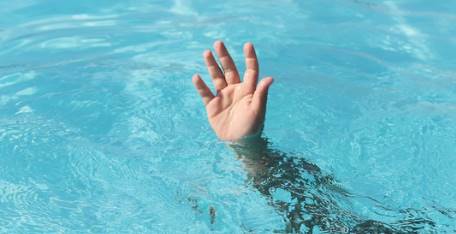
Swimming Pool & Drowning Incidents in Corpus Christi: When a Day at the Pool Turns to Tragedy
Corpus Christi is a city built around water. From the beaches of North Padre Island to the public pools across the city, from backyard pools in neighborhoods like Flour Bluff to hotel pools on South Padre Island Drive, water is a central part of our lives. But when safety measures fail, a day of fun can turn into a lifetime of tragedy. Drowning is the leading cause of accidental death for young children, and near-drowning incidents can result in catastrophic brain damage, permanent disability, and lifelong care needs. In Corpus Christi and throughout the Coastal Belt, swimming pool and drowning incidents require attorneys who understand the complex safety regulations that govern pools, the duty of property owners, and the strategies for holding negligent parties accountable.
At Barton & Associates, Attorneys at Law, we represent families throughout Corpus Christi and the Coastal Belt who have lost loved ones or suffered catastrophic injuries in swimming pool and drowning incidents. Whether the incident occurred at a public pool, hotel, apartment complex, or private residence, we provide the knowledgeable, compassionate representation you need to seek justice and recover the compensation your family deserves. With extensive experience in drowning litigation, we guide our clients through every stage of the complex claims process.
Understanding Drowning and Near-Drowning Incidents
Drowning is the process of experiencing respiratory impairment from submersion or immersion in liquid. A drowning incident can result in death or catastrophic brain damage from oxygen deprivation.
Drowning Statistics
-
Drowning is the leading cause of accidental death for children ages 1-4
-
For children under 14, drowning is the second leading cause of accidental death
-
For every child who dies from drowning, another five receive emergency care for non-fatal submersion injuries
-
Near-drowning survivors often suffer severe brain damage, permanent disability, and require lifelong care
Consequences of Drowning and Near-Drowning
Death
Drowning is fatal in many cases. Families lose loved ones suddenly and tragically.
Brain Damage
Oxygen deprivation can cause:
-
Permanent brain damage
-
Cognitive impairment
-
Memory loss
-
Personality changes
-
Seizures
-
Permanent vegetative state
Physical Disabilities
-
Paralysis
-
Loss of motor function
-
Speech impairment
-
Respiratory complications
Emotional Trauma
-
Post-traumatic stress disorder (PTSD)
-
Depression and anxiety
-
Grief and loss
Financial Consequences
-
Medical expenses for resuscitation and emergency care
-
Long-term care costs
-
Rehabilitation expenses
-
Lost wages
-
Funeral and burial expenses
Common Causes of Drowning Incidents
Inadequate Supervision
-
Lack of lifeguards at public pools
-
Inattentive parents or caregivers
-
Insufficient staff at swim clubs and hotels
Defective Pool Drains
-
Missing or broken drain covers
-
Failure to comply with Virginia Graeme Baker Pool and Spa Safety Act
-
Entrapment hazards
Inadequate Fencing and Barriers
-
Failure to install required fencing around pools
-
Gaps in fencing
-
Gates that do not self-close and self-latch
-
Climbable fences or structures
Lack of Safety Equipment
-
No life rings or reaching poles
-
Missing or inadequate signage
-
No emergency telephone
Unsafe Pool Design
-
Poor visibility from lifeguard stations
-
Deep water near shallow areas
-
Slippery pool decks
-
Dangerous diving areas
Failure to Warn
-
No warning signs about depth
-
No signs about diving restrictions
-
No warnings about slippery surfaces
Alcohol Use
-
Adult supervision impaired by alcohol
-
Swimmers under the influence
Negligent Entrustment
-
Allowing inexperienced swimmers to access deep water
-
Failure to enforce age restrictions
Legal Liability in Drowning Cases
Private Pool Owners
Homeowners have a duty to:
-
Maintain safe pool conditions
-
Install proper fencing and barriers
-
Supervise children
-
Warn of known dangers
Liability may arise from:
-
Failure to install required fencing
-
Defective pool drains
-
Lack of supervision
-
Attractive nuisance doctrine (children attracted to pool)
Public Pools
Cities and municipalities have a duty to:
-
Provide adequate lifeguards
-
Maintain safe conditions
-
Comply with safety regulations
-
Warn of hazards
Liability may arise from:
-
Inadequate lifeguard staffing
-
Failure to enforce safety rules
-
Defective equipment
-
Unsafe pool conditions
Hotels and Resorts
Hotels and resorts have a duty to:
-
Provide adequate lifeguards
-
Maintain safe pool conditions
-
Comply with safety regulations
-
Warn of hazards
Liability may arise from:
-
Inadequate supervision
-
Defective drains
-
Unsafe conditions
-
Failure to comply with safety regulations
Apartment Complexes
Apartment owners have a duty to:
-
Maintain safe pool conditions
-
Provide proper fencing and gates
-
Warn of hazards
-
Enforce safety rules
Liability may arise from:
-
Broken gates or fences
-
Inadequate lighting
-
Lack of safety equipment
-
Failure to maintain pool
Daycares and Schools
Childcare facilities have a heightened duty to protect children from drowning risks.
Swim Schools and Instructors
Swim instructors have a duty to provide proper supervision and instruction.
Safety Regulations for Pools
Virginia Graeme Baker Pool and Spa Safety Act
This federal law requires:
-
Anti-entrapment drain covers
-
Multiple drains or safety vacuum release systems
-
Compliance with safety standards
Texas Health and Safety Code
Texas law requires:
-
Fencing around pools (minimum 4 feet high)
-
Self-closing, self-latching gates
-
Pool covers for certain pools
-
Safety equipment
Local Ordinances
The City of Corpus Christi has additional requirements for pool safety, including:
-
Building codes for pool construction
-
Fencing requirements
-
Pool barrier inspections
Proving a Drowning Case
Step 1: Immediate Response
-
Call 911 immediately
-
Administer CPR if trained
-
Preserve the scene
Step 2: Preserve Evidence
-
Photograph the pool and surrounding area
-
Photograph fencing, gates, and drains
-
Obtain witness information
-
Document pool conditions
-
Preserve safety equipment
Step 3: Obtain Records
-
911 call recordings
-
Police and EMS reports
-
Hospital and medical records
-
Pool inspection records
-
Maintenance records
-
Lifeguard certifications
-
Incident reports
Step 4: Expert Witnesses
Drowning cases require expert testimony from:
-
Lifeguard and pool safety experts
-
Engineers (for drain defects)
-
Medical experts
-
Life care planners
-
Economists
Step 5: Identify Responsible Parties
Multiple parties may be liable:
-
Property owner
-
Pool operator
-
Pool maintenance company
-
Drain manufacturer
-
Lifeguard service
-
Municipality
Damages in Drowning Cases
Wrongful Death Damages
-
Funeral and burial expenses
-
Lost financial support
-
Loss of companionship and society
-
Mental anguish
-
Loss of inheritance
Personal Injury Damages (Near-Drowning)
-
Past and future medical expenses
-
Rehabilitation costs
-
Lost wages and earning capacity
-
Pain and suffering
-
Loss of enjoyment of life
-
Life care plan costs
The Drowning Case Process
Step 1: Immediate Response
Seek emergency medical care. Preserve the scene.
Step 2: Preserve Evidence
-
Photograph the scene
-
Obtain witness information
-
Preserve equipment
-
Keep all medical records
Step 3: Consult an Attorney
An experienced drowning incident attorney can evaluate your case and advise you on your rights.
Step 4: Investigation
Your attorney conducts a thorough investigation, including:
-
Obtaining all incident records
-
Consulting with pool safety experts
-
Reviewing maintenance records
-
Identifying all potential defendants
Step 5: Expert Witnesses
Your attorney retains experts to testify about:
-
Pool safety standards
-
Drain safety
-
Lifeguard standards
-
Medical prognosis
-
Life care needs
Step 6: Demand and Negotiation
Your attorney sends a demand letter and negotiates with the responsible parties and their insurers.
Step 7: Litigation
If a fair settlement cannot be reached, your attorney files a lawsuit and pursues your claim in court.
Frequently Asked Questions About Swimming Pool & Drowning Incidents
Who is liable for a drowning at a private pool?
Private pool owners may be liable if they failed to maintain safe conditions, provide proper fencing, or supervise children.
What is the Virginia Graeme Baker Pool and Spa Safety Act?
This federal law requires anti-entrapment drain covers and safety systems to prevent drain entrapment.
How long do I have to file a drowning claim?
In Texas, you generally have two years from the date of death or injury to file a lawsuit. Claims against government entities have shorter deadlines.
What damages can I recover in a wrongful death case?
You may recover funeral expenses, lost financial support, loss of companionship, and mental anguish.
What is the attractive nuisance doctrine?
The attractive nuisance doctrine holds property owners liable for injuries to children who are attracted to a dangerous condition on the property, such as a pool.
Do apartment complexes have a duty to provide lifeguards?
Apartment complexes generally do not provide lifeguards. However, they have a duty to maintain safe pool conditions and proper fencing.
What if the drowning occurred at a hotel?
Hotels have a duty to provide adequate supervision, maintain safe conditions, and comply with safety regulations.
How is brain damage from near-drowning evaluated?
Medical experts evaluate cognitive function, motor skills, and long-term prognosis. Life care planners project future medical and care needs.
Do I need an attorney for a drowning case?
Yes. Drowning cases involve complex safety regulations, multiple potential defendants, and significant damages. An experienced attorney can help you navigate the process and maximize your recovery.
How much does it cost to hire a drowning incident attorney?
Most drowning incident attorneys work on a contingency fee basis—you pay nothing upfront, and the attorney is paid a percentage of any recovery.
Why Barton & Associates Is the Right Choice for Your Drowning Case
Drowning cases are among the most tragic and complex in personal injury law. They require attorneys who understand the safety regulations that govern pools, the duty of property owners, and the strategies for proving liability. At Barton & Associates, Attorneys at Law, we have extensive experience representing families in drowning and near-drowning cases in Corpus Christi and throughout the Coastal Belt.
Our attorneys understand the importance of preserving evidence, the need for expert testimony, and the strategies for holding negligent parties accountable. We work closely with our clients to investigate the facts, gather evidence, and build a compelling case for full compensation.
We also understand that drowning cases are deeply personal. Our attorneys approach each case with compassion and dedication, helping families navigate the legal system while focusing on healing.
Seek Justice for Drowning Incidents Today
If you have lost a loved one or suffered a catastrophic injury in a swimming pool or drowning incident in Corpus Christi, you have the right to seek justice. Do not wait. Evidence can be lost, and statutes of limitations are strict.
Contact the experienced drowning incident attorneys at Barton & Associates today. Call us directly at 361-800-6780 to speak with a member of our team. You may also complete the Free Consultation form on our website, and we will reach out to you promptly. Please note that all on-site consultations at our Corpus Christi office are by appointment only, ensuring that we can give your case the focused attention it requires.
Reach out today—let us help you hold negligent parties accountable and secure the compensation your family deserves.
Main Category: Personal Injury Corpus Christi
Practice Area Category: Workplace & On-Site Injuries
Barton & Associates, Attorneys at Law
5110 Wilkinson Dr Suite 210, Corpus Christi, TX 78415
Office: 361-800-6780