Premises Liability in Corpus Christi: Holding Property Owners Accountable for Dangerous Conditions
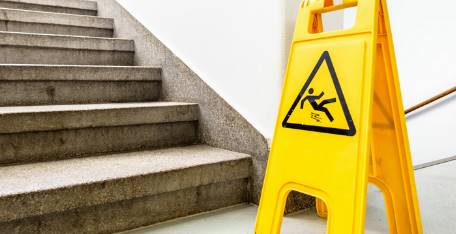
When you enter a property—whether it’s a grocery store on South Padre Island Drive, a restaurant on Staples Street, a friend’s home in Flour Bluff, or an apartment complex in the Southside—you trust that the property owner has taken reasonable steps to keep you safe. You trust that the floors are not slippery, that the stairs are secure, that the lighting is adequate, and that there are no hidden dangers. But when property owners fail in this duty, the consequences can be devastating. A slip on a wet floor, a trip on a broken sidewalk, a fall from an unsafe stairway, an assault due to inadequate security—these are all premises liability cases. In Corpus Christi and throughout the Coastal Belt, premises liability requires attorneys who understand the complex duty of care property owners owe to visitors, the different legal standards for invitees, licensees, and trespassers, and the strategies for proving that a dangerous condition caused your injury.
At Barton & Associates, Attorneys at Law, we represent individuals and families throughout Corpus Christi and the Coastal Belt who have been injured due to dangerous conditions on someone else’s property. Whether you were injured at a store, restaurant, hotel, apartment complex, private residence, or public property, we provide the knowledgeable, aggressive representation you need to seek justice and recover the compensation you deserve. With extensive experience in premises liability litigation, we guide our clients through every stage of the complex claims process.
Understanding Premises Liability
Premises liability is the area of law that holds property owners responsible for injuries that occur on their property due to unsafe conditions. The duty a property owner owes depends on the visitor’s status.
Visitor Classifications
Invitees
Invitees are people who enter the property for the benefit of the property owner. This includes customers, clients, and patrons of businesses. Property owners owe invitees the highest duty of care:
-
Keep the premises in a reasonably safe condition
-
Inspect for dangerous conditions
-
Warn of hidden dangers
-
Correct known hazards
Licensees
Licensees are people who enter the property for their own purposes with the owner’s permission. This includes social guests. Property owners must:
-
Warn licensees of hidden dangers the owner knows about
-
Not intentionally harm licensees
Trespassers
Trespassers enter without permission. Property owners generally owe no duty except to avoid intentionally harming trespassers. However, there are exceptions:
-
Attractive nuisance doctrine (children attracted to dangerous conditions)
-
Known trespassers (if the owner knows of frequent trespassing)
Common Types of Premises Liability Cases
Slip and Fall Accidents
-
Wet floors in grocery stores and restaurants
-
Spilled liquids without warning signs
-
Recently waxed or polished floors
-
Icy or snowy walkways
-
Loose rugs or mats
Common Locations:
-
H-E-B and other grocery stores on South Padre Island Drive
-
Restaurants on Staples Street
-
Shopping centers and malls
-
Hotels and resorts
Trip and Fall Accidents
-
Cracked or uneven sidewalks
-
Torn carpeting
-
Raised thresholds
-
Debris or clutter
-
Uneven pavement
Common Locations:
-
Sidewalks downtown
-
Apartment complex walkways
-
Parking lots
-
Retail store aisles
Inadequate Security
Property owners have a duty to provide adequate security to protect visitors from foreseeable criminal acts.
Examples:
-
Inadequate lighting in parking lots
-
Broken locks or security gates
-
Lack of security cameras
-
Insufficient security personnel
-
Failure to warn of known dangers
Common Locations:
-
Apartment complexes
-
Hotels
-
Shopping centers
-
Parking garages
Dangerous Conditions
-
Broken stairs or handrails
-
Defective escalators or elevators
-
Collapsing structures
-
Falling objects
-
Unsafe swimming pools
Dog Bites and Animal Attacks
Texas follows a “one bite” rule, but property owners can be liable for dog attacks if they knew or should have known of the animal’s dangerous propensities.
Swimming Pool Accidents
-
Lack of fencing or barriers
-
Broken pool drains
-
Inadequate supervision
-
No safety equipment
Fires and Explosions
-
Faulty wiring
-
Improper storage of hazardous materials
-
Lack of smoke detectors
-
Defective appliances
Construction Site Accidents
-
Unsafe work conditions
-
Falling debris
-
Inadequate safety equipment
Proving a Premises Liability Case
To succeed in a premises liability case, you must prove:
1. The Property Owner Owed You a Duty of Care
You must establish your status on the property (invitee, licensee, or trespasser) and the corresponding duty owed.
2. The Property Had a Dangerous Condition
You must show that there was a hazardous condition that posed an unreasonable risk of harm.
3. The Property Owner Knew or Should Have Known About the Danger
You must prove that the property owner had actual or constructive notice of the dangerous condition.
Actual Notice: The property owner knew about the dangerous condition.
Constructive Notice: The property owner should have known about the dangerous condition because:
-
The condition existed for a sufficient length of time
-
The condition was a recurring problem
-
The property owner failed to conduct reasonable inspections
4. The Property Owner Failed to Correct the Danger or Warn of It
You must show that the property owner did not take reasonable steps to address the hazard.
5. The Dangerous Condition Caused Your Injury
You must establish a direct link between the hazard and your injuries.
6. You Suffered Damages
You must document your medical expenses, lost wages, and other losses.
Defenses in Premises Liability Cases
Open and Obvious Danger
If the danger was open and obvious, the property owner may not be liable. However, there are exceptions, including:
-
The property owner should have anticipated that despite the obvious danger, people would not protect themselves
-
The property owner failed to warn despite the obvious danger
Comparative Negligence
Texas follows a modified comparative negligence rule. If you are found to be partially at fault, your recovery is reduced by your percentage of fault. If you are 51% or more at fault, you cannot recover anything.
Lack of Notice
If the property owner did not know and should not have known about the dangerous condition, they may not be liable.
Trespasser Status
If you were on the property without permission, the property owner may owe you no duty.
The Premises Liability Case Process
Step 1: Report the Incident
Report the incident to the property owner or manager. Obtain a copy of any incident report.
Step 2: Seek Medical Care
Seek immediate medical attention. Follow all treatment recommendations.
Step 3: Preserve Evidence
-
Photograph the dangerous condition
-
Photograph your injuries
-
Photograph the scene
-
Obtain witness contact information
-
Preserve clothing and shoes
-
Keep all medical records
Step 4: Consult an Attorney
An experienced premises liability attorney can evaluate your case and advise you on your rights.
Step 5: Investigation
Your attorney conducts a thorough investigation, including:
-
Obtaining surveillance footage
-
Interviewing witnesses
-
Reviewing maintenance records
-
Consulting with experts
-
Documenting the dangerous condition
Step 6: Identify Responsible Parties
Multiple parties may be liable:
-
Property owner
-
Property manager
-
Tenant
-
Maintenance company
-
Security company
Step 7: Expert Witnesses
Your attorney may retain experts to testify about:
-
Property maintenance standards
-
Security standards
-
Accident reconstruction
-
Medical prognosis
Step 8: Demand and Negotiation
Your attorney sends a demand letter and negotiates with the property owner and their insurer.
Step 9: Litigation
If a fair settlement cannot be reached, your attorney files a lawsuit and pursues your claim in court.
Frequently Asked Questions About Premises Liability
What is premises liability?
Premises liability is the area of law that holds property owners responsible for injuries that occur on their property due to unsafe conditions.
What is the difference between an invitee, licensee, and trespasser?
Invitees are customers and patrons. Licensees are social guests. Trespassers enter without permission. Property owners owe the highest duty to invitees.
How long do I have to file a premises liability claim?
In Texas, you generally have two years from the date of injury to file a personal injury lawsuit. Claims against government entities have shorter deadlines.
What damages can I recover?
You may recover medical expenses, lost wages, pain and suffering, and in cases of death, funeral expenses and loss of companionship.
What if I was partially at fault?
Texas follows a modified comparative negligence rule. If you are less than 51% at fault, you can still recover, but your recovery will be reduced by your percentage of fault.
What is constructive notice?
Constructive notice means the property owner should have known about the dangerous condition because it existed for a sufficient length of time or was a recurring problem.
What is the attractive nuisance doctrine?
The attractive nuisance doctrine holds property owners liable for injuries to children who are attracted to a dangerous condition on the property, such as a swimming pool or construction equipment.
Can I sue a landlord for an injury in a rental property?
Yes. Landlords have a duty to maintain safe conditions in common areas and may be liable for injuries caused by dangerous conditions.
How long does a premises liability case take?
The timeline varies. Some cases settle quickly; others may take months or years to resolve.
Do I need an attorney for a premises liability case?
Yes. Premises liability cases involve complex issues of duty, notice, and comparative fault. An experienced attorney can help you navigate the process and maximize your recovery.
Why Barton & Associates Is the Right Choice for Your Premises Liability Case
Premises liability cases require attorneys who understand the complex duty of care property owners owe to visitors, the different legal standards for invitees, licensees, and trespassers, and the strategies for proving that a dangerous condition caused your injury. At Barton & Associates, Attorneys at Law, we have extensive experience representing premises liability victims in Corpus Christi and throughout the Coastal Belt.
Our attorneys understand the importance of preserving evidence, the need for expert testimony, and the strategies for proving notice and liability. We work closely with our clients to investigate the facts, gather evidence, and build a compelling case for full compensation.
We also understand that a premises liability injury can have lasting consequences. Our attorneys approach each case with dedication, helping our clients navigate the legal system while focusing on their recovery.
Seek Justice for Premises Liability Injuries Today
If you have been injured due to a dangerous condition on someone else’s property in Corpus Christi, you have the right to seek justice. Do not wait. Evidence can be lost, and statutes of limitations are strict.
Contact the experienced premises liability attorneys at Barton & Associates today. Call us directly at 361-800-6780 to speak with a member of our team. You may also complete the Free Consultation form on our website, and we will reach out to you promptly. Please note that all on-site consultations at our Corpus Christi office are by appointment only, ensuring that we can give your case the focused attention it requires.
Reach out today—let us help you hold property owners accountable and recover the compensation you deserve.
Main Category: Personal Injury Corpus Christi
Practice Area Category: Workplace & On-Site Injuries
Barton & Associates, Attorneys at Law
5110 Wilkinson Dr Suite 210, Corpus Christi, TX 78415
Office: 361-800-6780