The Hidden Dangers of Energy: Oil Field & Energy Industry Accidents in Texas
The oil fields of West Texas. The refineries along the Gulf Coast. The pipelines that crisscross the state. The wind farms and solar arrays that power our future. Texas is the energy capital of the nation, and the workers who power our economy face dangers that most people never see. Explosions, fires, toxic exposures, equipment failures, and catastrophic accidents are not abstract risks—they are daily realities for those who work in the energy industry. When safety is sacrificed for production, workers pay the price. And when an accident happens, the consequences can be devastating: severe burns, amputations, traumatic brain injuries, and death.
At Barton & Associates, Attorneys at Law, we represent energy workers and their families across Central Texas who have been injured or killed in oil field and energy industry accidents. From the drilling sites of the Permian Basin to the refineries of the Gulf Coast, from the pipeline construction projects that cross our state to the renewable energy facilities that are shaping our future, we understand the unique hazards of the energy industry. Our attorneys have spent decades fighting for the rights of energy workers, holding companies accountable when they put production before safety.
We know that energy industry cases are complex. They involve federal and state regulations, multiple contractors, and often, catastrophic injuries. We know how to investigate the cause of your accident, identify all responsible parties, and build a case that gets you the compensation you deserve.
If you or a loved one has been injured in an oil field or energy industry accident, you are not alone. Let us help you seek justice.
Understanding Oil Field and Energy Industry Accidents
The energy industry encompasses a wide range of operations—oil and gas exploration, drilling, production, refining, transportation, and increasingly, renewable energy. Each presents unique hazards.
Types of Energy Industry Accidents:
-
Well Blowouts: Uncontrolled release of oil or gas, often leading to fires and explosions
-
Explosions and Fires: From flammable gases, liquids, or dust
-
Equipment Failures: Collapses, blowouts, machinery malfunctions
-
Vehicle Accidents: Truck rollovers, tanker accidents, transportation of hazardous materials
-
Falls: From rigs, platforms, tanks, and scaffolding
-
Crush Injuries: Caught between equipment, struck by falling objects
-
Toxic Exposures: Hydrogen sulfide (H2S), benzene, silica, asbestos
-
Electrocutions: Contact with power lines or faulty equipment
-
Pipeline Accidents: Ruptures, leaks, explosions
For workers across Texas, the energy industry is one of the most dangerous sectors in the nation.
What Are the Common Causes of Oil Field Accidents?
Oil field accidents can result from a variety of factors, many of which are preventable.
Human Error:
-
Inadequate training
-
Fatigue (long hours, shift work)
-
Failure to follow safety procedures
-
Communication failures
Equipment Failures:
-
Defective equipment
-
Poor maintenance
-
Improper installation
-
Age and wear
Safety Violations:
-
Failure to provide personal protective equipment (PPE)
-
Inadequate safety procedures
-
Failure to monitor hazardous conditions
-
OSHA and other regulatory violations
Environmental Factors:
-
Extreme weather
-
Difficult terrain
-
Remote locations
The Role of Contractors:
Oil fields often involve multiple contractors—drilling companies, service companies, transportation companies, and subcontractors. Determining who is responsible requires a thorough investigation.
For those in the Texas energy industry, accidents often result from a combination of factors and multiple potentially liable parties.
How to Prove an Oil Field Injury Claim
Proving an oil field injury claim requires establishing the cause of the accident, identifying the responsible parties, and documenting the full extent of your damages.
Step 1: Preserve the Evidence
Oil field accidents often involve equipment that is quickly repaired or removed. Preserving evidence is critical:
-
Photographs of the accident scene
-
Equipment and machinery
-
Maintenance records
-
Safety logs
-
Training records
Step 2: Document the Accident
-
Witness statements
-
Incident reports
-
OSHA reports
-
Railroad Commission reports
Step 3: Identify the Responsible Parties
Oil field accidents often involve multiple parties:
-
The operator (oil company)
-
Drilling contractors
-
Service companies
-
Equipment manufacturers
-
Transportation companies
-
Subcontractors
Step 4: Establish Liability
-
Was there a violation of safety regulations?
-
Was there defective equipment?
-
Was there inadequate training?
-
Was there a failure to maintain safe conditions?
Step 5: Document Your Damages
-
Medical expenses (past and future)
-
Lost income
-
Loss of earning capacity
-
Pain and suffering
-
Disfigurement
-
Disability
Step 6: Work with Experts
Oil field cases require expert testimony:
-
Petroleum Engineers: Analyze drilling operations
-
Safety Experts: Evaluate safety protocols
-
Mechanical Engineers: Analyze equipment failures
-
Medical Experts: Document injuries and prognosis
-
Economists: Calculate lost income and future care costs
For residents across Texas, proving an oil field injury claim requires a team of experts and an attorney with experience in energy industry litigation.
Well Blowouts and Explosions
A well blowout is one of the most catastrophic events in the oil field. When pressure control fails, oil and gas are released uncontrollably, often igniting into massive fires and explosions.
Causes of Blowouts:
-
Failure of blowout preventers (BOPs)
-
Improper well control procedures
-
Inadequate casing or cementing
-
Human error
Injuries:
-
Severe burns
-
Blast injuries
-
Traumatic brain injury
-
Amputations
-
Death
The Deepwater Horizon Disaster:
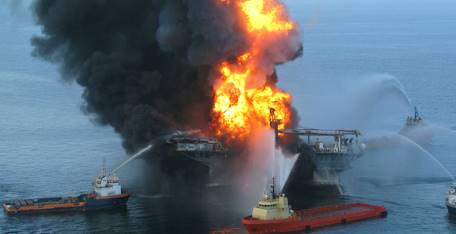
The 2010 Deepwater Horizon explosion killed 11 workers and injured many others. It highlighted the catastrophic consequences of well control failures and the need for accountability.
Who Is Liable:
-
The operator
-
The drilling contractor
-
The blowout preventer manufacturer
-
The cementing company
For those in the Texas oil fields, blowouts and explosions are among the most serious—and most preventable—accidents.
Hydrogen Sulfide (H2S) Exposure
Hydrogen sulfide (H2S) is a toxic gas found in oil and gas operations. It is odorless at high concentrations and can kill in seconds.
Sources of H2S Exposure:
-
Sour gas wells
-
Refineries
-
Pipelines
-
Storage tanks
Health Effects:
-
Eye and respiratory irritation
-
Loss of consciousness
-
Brain damage
-
Death
Safety Requirements:
-
H2S monitoring
-
Personal protective equipment (respirators)
-
Emergency response plans
-
Training
Liability:
Employers who fail to protect workers from H2S exposure can be held liable for the resulting injuries.
For workers in the Texas energy industry, H2S exposure is a constant danger that requires constant vigilance.
Fracking and Hydraulic Fracturing Accidents
Hydraulic fracturing (fracking) has transformed the energy industry, but it also presents unique hazards.
Common Fracking Accidents:
-
Chemical spills
-
Equipment failures
-
High-pressure releases
-
Silica dust exposure
-
Truck and vehicle accidents
Chemical Exposure:
Fracking fluids contain chemicals that can be toxic. Exposure can cause burns, respiratory illness, and long-term health problems.
Silica Dust:
Fracking operations generate silica dust, which can cause silicosis, lung cancer, and other respiratory diseases.
Who Is Liable:
-
The operator
-
The fracking company
-
Chemical manufacturers
-
Equipment manufacturers
For those in the Texas energy industry, fracking accidents require investigation of chemical exposures and safety protocols.
Refinery and Petrochemical Plant Accidents
Refineries and petrochemical plants process oil and gas into usable products. These facilities contain large quantities of flammable and toxic materials.
Common Refinery Accidents:
-
Explosions and fires
-
Toxic releases
-
Burns
-
Falls
-
Equipment failures
The 2005 Texas City Refinery Explosion:
The BP Texas City refinery explosion killed 15 workers and injured 170 others. It remains one of the deadliest industrial accidents in U.S. history and a stark reminder of the dangers of refinery work.
Safety Regulations:
-
OSHA Process Safety Management (PSM) standards
-
Environmental Protection Agency (EPA) regulations
-
Industry safety standards
Who Is Liable:
-
The refinery operator
-
Contractors
-
Equipment manufacturers
For residents across Texas, refinery accidents can affect not only workers but also surrounding communities.
Pipeline Accidents
Thousands of miles of pipelines carry oil, gas, and hazardous liquids across Texas. When pipelines fail, the consequences can be catastrophic.
Causes of Pipeline Accidents:
-
Corrosion
-
Third-party damage
-
Material defects
-
Operator error
-
Natural disasters
Injuries:
-
Burns
-
Explosions
-
Toxic exposures
-
Death
Who Is Liable:
-
The pipeline operator
-
The pipeline owner
-
The manufacturer of defective components
Regulatory Oversight:
The Pipeline and Hazardous Materials Safety Administration (PHMSA) regulates pipeline safety. Violations of PHMSA regulations can be evidence of negligence.
For those in the Texas energy industry, pipeline accidents can occur anywhere—in remote areas or in populated communities.
Renewable Energy Accidents
As Texas expands its renewable energy infrastructure—wind farms, solar arrays, battery storage—new hazards emerge.
Common Renewable Energy Accidents:
-
Falls from wind turbines
-
Electrical accidents
-
Crane and heavy equipment accidents
-
Vehicle accidents
-
Fire
Who Is Liable:
-
The project developer
-
The turbine manufacturer
-
The construction contractor
-
The maintenance company
For workers in the Texas renewable energy sector, safety standards are evolving, and accidents require careful investigation.
The Jones Act and Maritime Workers
Workers on offshore rigs, supply vessels, and other maritime operations are covered by the Jones Act—a federal law that protects maritime workers.
Who Is Covered:
-
Workers on vessels in navigation
-
Offshore rig workers (on floating rigs)
-
Crew members on supply vessels
-
Seamen
What the Jones Act Provides:
-
The right to sue employers for negligence
-
A lower standard of proof (negligence need only play any part in causing the injury)
-
Full damages, including pain and suffering
What You Must Prove:
-
You are a seaman (substantial connection to a vessel)
-
Your employer was negligent
-
The negligence caused your injury
For offshore workers in the Texas Gulf, the Jones Act provides a powerful remedy.
Frequently Asked Questions About Oil Field & Energy Industry Accidents in Austin, Texas
When energy workers and their families come to our office—whether from the Permian Basin, the Gulf Coast, or Central Texas—they often have questions about their rights. Here are the answers to the most common inquiries we receive.
What are the most common causes of oil field accidents?
Common causes include well blowouts, equipment failures, fires and explosions, toxic exposures, falls, and vehicle accidents.
Who can be held liable for an oil field accident?
Liability may extend to the operator, drilling contractor, service companies, equipment manufacturers, and subcontractors.
What is the Jones Act?
The Jones Act is a federal law that protects maritime workers, allowing them to sue their employers for negligence and recover full damages.
What is the statute of limitations for oil field injury claims?
In Texas, you generally have two years from the date of injury to file a personal injury claim. For Jones Act claims, you have three years.
What damages can I recover?
You can recover medical expenses, lost income, loss of earning capacity, pain and suffering, and, in cases of wrongful death, funeral expenses and loss of companionship.
What should I do after an oil field accident?
-
Seek medical attention immediately
-
Preserve evidence (photographs, equipment)
-
Report the accident
-
Do not give a recorded statement without an attorney
-
Contact an experienced oil field injury attorney
Do I need an attorney for an oil field injury claim?
Yes. Oil field cases are complex and involve multiple potentially liable parties. An experienced oil field injury attorney can help you navigate the legal process and secure the compensation you deserve.
Why Barton & Associates for Oil Field & Energy Industry Accidents in Texas
Oil field and energy industry cases require attorneys who understand the unique hazards of the industry, the complex web of contractors and subcontractors, and the strategies for proving liability. Our attorneys have spent decades representing energy workers across Texas who have been injured or killed in oil field and energy industry accidents.
We know the industry. We know the regulations. We know the experts who can prove causation. And we know how to build a case that gets you the compensation you deserve.
Take the First Step Toward Justice
If you or a loved one has been injured in an oil field or energy industry accident, do not wait. Evidence disappears. Witnesses forget. The sooner you have an experienced attorney on your side, the sooner you can begin the process of seeking the compensation you need to recover.
Call our Austin office today at 512-THE-FIRM (843-3476) to speak with an experienced oil field injury attorney about your case. You can also complete the online Free Consultation form on our website to schedule a confidential meeting. Please note, on-site consultations are by appointment only. We look forward to helping you seek the justice you deserve.
Main Category: Personal Injury Austin
Practice Area Category: Workplace & On-Site Injuries
Barton & Associates, Attorneys at Law
316 W 12th St Suite 400, Austin, TX 78701
Office: 512-THE-FIRM (843-3476)