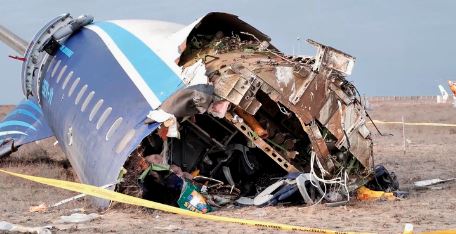
When Flight Goes Wrong: Aviation & Drone Accidents in Austin, Texas
The skies over Central Texas are busy. Commercial jets landing at Austin-Bergstrom. Private planes taking off from small regional airports. Helicopters carrying news crews or medical patients. And increasingly, drones buzzing overhead—capturing footage, making deliveries, or simply flown for fun. When these aircraft crash, the consequences are catastrophic. But aviation accidents are not like car crashes. They involve federal regulations, complex investigations, and a web of potential defendants—the pilot, the aircraft owner, the manufacturer, the air traffic controllers, the maintenance provider.
At Barton & Associates, Attorneys at Law, we represent individuals and families across Central Texas who have been injured in aviation and drone accidents. From the runways of Austin-Bergstrom to the private airstrips of the Hill Country, from the helicopters that fly over our city to the drones that have become part of our daily lives, we understand the unique complexities of aviation law. Our attorneys have spent decades fighting for the rights of accident victims, holding manufacturers, operators, and pilots accountable.
We know that aviation cases are different. They are governed by federal law. They involve the National Transportation Safety Board (NTSB), the Federal Aviation Administration (FAA), and a host of federal regulations. We know how to investigate aviation accidents, preserve critical evidence, and build cases that get victims the compensation they deserve.
If you or a loved one has been injured in an aviation or drone accident, you are not alone. Let us help you navigate the complex world of aviation law.
Understanding Aviation Accidents
Aviation accidents can occur at any time—during takeoff, in flight, or on landing. They can involve commercial airlines, private planes, helicopters, or drones. Each type of accident presents unique challenges.
Types of Aviation Accidents:
-
Commercial Airline Accidents: Rare but catastrophic; involve multiple parties and federal investigation
-
General Aviation Accidents: Private planes, small aircraft; the most common type of aviation accident
-
Helicopter Accidents: Medical helicopters, news helicopters, tour helicopters
-
Drone Accidents: Unmanned aircraft striking people, property, or interfering with manned aircraft
Common Causes:
-
Pilot error
-
Mechanical failure
-
Maintenance negligence
-
Air traffic control error
-
Weather conditions
-
Bird strikes
-
Fuel contamination
-
Design or manufacturing defects
For residents across Central Texas, aviation accidents require a different approach than other personal injury cases.
What Is the Difference Between Aviation and Drone Accidents?
Aviation accidents involve manned aircraft—airplanes, helicopters, jets. Drone accidents involve unmanned aircraft systems (UAS). While both are governed by federal regulations, they present different legal issues.
Aviation Accidents (Manned Aircraft):
-
Governed by FAA regulations, NTSB investigations
-
Involve pilots, air traffic control, aircraft manufacturers
-
Often result in catastrophic injuries or death
-
Complex federal preemption issues
Drone Accidents (Unmanned Aircraft):
-
Governed by FAA Part 107 regulations for commercial drones
-
Recreational drones subject to FAA safety guidelines
-
Rapidly evolving area of law
-
Often involve privacy concerns, property damage, personal injury
Why the Distinction Matters:
Aviation cases have a long history of federal law, while drone cases are still developing. An experienced attorney can help you navigate both.
For those in the Austin area, understanding the type of aircraft involved is essential to your claim.
How to Prove an Aviation Accident Claim
Proving an aviation accident claim requires a thorough investigation, preservation of evidence, and expert testimony.
Step 1: Preserve the Evidence
Aviation accidents are investigated by the National Transportation Safety Board (NTSB). Their investigation is critical to your case. Your attorney must monitor the investigation and ensure that evidence is preserved:
-
The aircraft wreckage
-
Flight data recorders (black boxes)
-
Maintenance records
-
Pilot records
-
Air traffic control communications
Step 2: Identify the Cause
The NTSB will issue a report identifying the probable cause of the accident. This report is critical evidence. Your attorney will review the report and may hire independent experts to evaluate additional causes.
Step 3: Identify the Responsible Parties
Aviation accidents often involve multiple potential defendants:
-
The pilot
-
The aircraft owner
-
The airline (for commercial flights)
-
The aircraft manufacturer
-
The parts manufacturer
-
The maintenance provider
-
Air traffic control
-
The airport operator
Step 4: Prove Causation
You must prove that the defendant’s negligence caused the accident and your injuries. This requires expert testimony from aviation experts, engineers, and medical professionals.
Step 5: Document Your Damages
-
Medical expenses
-
Lost income
-
Pain and suffering
-
Emotional distress
-
Loss of companionship (for wrongful death)
For families across Central Texas, aviation accident claims require a team of experts and an attorney with experience in aviation law.
The NTSB Investigation
When a serious aviation accident occurs, the National Transportation Safety Board (NTSB) conducts an investigation. Their findings are critical to any subsequent legal claim.
What the NTSB Does:
-
Secures the accident scene
-
Preserves evidence
-
Interviews witnesses
-
Analyzes flight data recorders
-
Issues a probable cause report
Why It Matters:
The NTSB’s probable cause report is not admissible as evidence in court, but it guides your investigation and identifies potential defendants.
Working with the NTSB:
Your attorney will monitor the NTSB investigation, attend hearings, and work with experts to evaluate the evidence. Do not wait—the NTSB investigation moves quickly.
For those in the Austin area, the NTSB investigation is the starting point for any aviation claim.
Pilot Error
Pilot error is the most common cause of aviation accidents. Pilots may make mistakes in navigation, decision-making, or aircraft control.
Examples of Pilot Error:
-
Failure to maintain proper altitude or airspeed
-
Poor weather judgment
-
Failure to follow instrument flight rules
-
Improper takeoff or landing procedures
-
Failure to respond to mechanical issues
-
Fatigue or impairment
Who Is Liable:
-
The pilot
-
The pilot’s employer (if commercial)
-
The aircraft owner (if the owner knew or should have known of the pilot’s incompetence)
For residents across Central Texas, proving pilot error requires expert testimony from experienced aviation professionals.
Mechanical Failure and Product Liability
When an aircraft crashes due to mechanical failure, the manufacturer may be liable under product liability law.
Common Mechanical Failures:
-
Engine failure
-
Fuel system defects
-
Electrical system failure
-
Control system failure
-
Structural failure
Who Is Liable:
-
The aircraft manufacturer
-
The parts manufacturer
-
The maintenance provider
What You Must Prove:
-
The aircraft or part was defective
-
The defect caused the accident
-
You suffered damages
For families in the Austin area, product liability claims require expert testimony from engineers and aviation experts.
Drone Accidents: The New Frontier
Drones have become ubiquitous. They deliver packages, inspect infrastructure, capture aerial footage, and are flown for recreation. When drones crash, they can cause serious injuries and property damage.
Common Drone Accidents:
-
Drones falling from the sky
-
Drones striking people on the ground
-
Drones colliding with manned aircraft
-
Drones damaging property
Who Is Liable:
-
The drone operator
-
The drone manufacturer
-
The company employing the operator (for commercial drones)
Federal Regulations:
Commercial drones must be operated under FAA Part 107. Recreational drones must follow FAA safety guidelines. Violations of these regulations can be evidence of negligence.
Privacy Concerns:
Drones also raise privacy concerns. If a drone is used to spy on you, you may have a claim for invasion of privacy.
For those in the Austin area, drone accident law is rapidly evolving. An experienced attorney can help you navigate this new area.
Helicopter Accidents
Helicopters serve many roles in Central Texas—medical transport, news gathering, law enforcement, tourism, and corporate travel. When helicopters crash, the results are often catastrophic.
Common Helicopter Accidents:
-
Loss of control
-
Tail rotor failure
-
Main rotor failure
-
Controlled flight into terrain
-
Wire strikes
Who Is Liable:
-
The pilot
-
The operator
-
The manufacturer
-
The maintenance provider
Special Considerations:
Helicopter accidents often involve complex aerodynamics and specialized expertise. Your attorney must work with experts who understand helicopter operations.
For residents across Central Texas, helicopter accident cases require a deep understanding of rotorcraft operations.
The Statute of Limitations for Aviation Accidents
Aviation accident claims have strict deadlines. Missing a deadline can bar your claim forever.
Federal Aviation Cases:
-
Claims against the government (air traffic control, FAA) have special deadlines—often six months
-
Claims against private parties are generally governed by state law (two years in Texas)
Why It Matters:
The deadlines are strict. If you miss the deadline, you lose your right to recover. Contact an attorney as soon as possible after an aviation accident.
For those in the Austin area, time is of the essence.
Frequently Asked Questions About Aviation & Drone Accidents in Austin, Texas
When clients come to our office—whether from Austin’s neighborhoods, the suburbs to the north and south, or the Hill Country communities—they often have questions about aviation and drone accident claims. Here are the answers to the most common inquiries we receive.
What is the NTSB?
The National Transportation Safety Board (NTSB) is the federal agency that investigates aviation accidents. Their investigation is critical to any subsequent legal claim.
What is the difference between an aviation accident and a drone accident?
Aviation accidents involve manned aircraft (airplanes, helicopters). Drone accidents involve unmanned aircraft systems. Both are governed by FAA regulations but present different legal issues.
Who is liable in a plane crash?
Liability may extend to the pilot, the aircraft owner, the airline, the manufacturer, the parts manufacturer, the maintenance provider, and air traffic control.
What is the statute of limitations for aviation accidents?
Claims against private parties are generally governed by state law (two years in Texas). Claims against the government have special deadlines—often six months.
What is pilot error?
Pilot error is a mistake by the pilot that causes or contributes to an accident. It is the most common cause of aviation accidents.
Can I sue a drone operator?
Yes. If a drone operator is negligent—flying recklessly, violating FAA regulations, or causing injury—you can sue them for damages.
Do I need an attorney for an aviation or drone accident claim?
Yes. Aviation cases are complex and involve federal agencies, federal regulations, and multiple potential defendants. An experienced aviation attorney can help you navigate this complex area of law.
Why Barton & Associates for Aviation & Drone Accidents in Austin
Aviation and drone accident cases require attorneys who understand federal aviation law, the NTSB investigation process, and the complex web of potential defendants. Our attorneys have spent decades representing accident victims across Central Texas, holding pilots, manufacturers, and operators accountable.
We know the local airports, the airspace, and the experts who can prove causation. And we know how to build a case that gets you the compensation you deserve.
Take the First Step Toward Justice
If you or a loved one has been injured in an aviation or drone accident, do not wait. The NTSB investigation moves quickly. Evidence disappears. The statute of limitations is strict. The sooner you have an experienced attorney on your side, the sooner you can begin the process of seeking justice.
Call our Austin office today at 512-THE-FIRM (843-3476) to speak with an experienced aviation accident attorney about your case. You can also complete the online Free Consultation form on our website to schedule a confidential meeting. Please note, on-site consultations are by appointment only. We look forward to helping you seek the justice you deserve.
Main Category: Personal Injury Austin
Practice Area Category: Transportation & Mass Torts
Barton & Associates, Attorneys at Law
316 W 12th St Suite 400, Austin, TX 78701
Office: 512-THE-FIRM (843-3476)