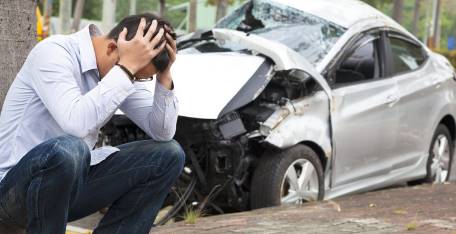
When the Road Turns Dangerous: Car Accidents in Austin, Texas
I-35 at rush hour. MoPac in the rain. The 183 flyover at dusk. A left turn on South Congress. A stop sign at a Hill Country intersection. Every day, millions of drivers take to the roads of Central Texas. And every day, accidents happen. A distracted driver looking at a phone. A driver running a red light. A speeding car that can’t stop in time. A moment of negligence, a lifetime of consequences. The injuries can be catastrophic. The bills can be overwhelming. The fight for fair compensation can be long and difficult.
At Barton & Associates, Attorneys at Law, we represent victims of car accidents across Central Texas. From the highways of Austin to the country roads of the Hill Country, from the intersections of Round Rock to the parking lots of the suburbs, we understand the devastating impact of car crashes. Our attorneys have spent decades fighting for the rights of accident victims, holding negligent drivers accountable for the harm they cause.
We know that car accident cases require investigation of the crash, reconstruction of the accident, and documentation of your injuries. They involve dealing with insurance companies that will try to minimize what they pay. We know how to build a case that gets you the compensation you deserve.
If you have been injured in a car accident, you are not alone. Let us help you navigate the road to recovery.
Understanding Car Accidents
Car accidents can happen in an instant, but the consequences can last a lifetime. Understanding the types of accidents and the parties who may be liable is essential to your claim.
Types of Car Accidents:
-
Rear-End Collisions: The most common type of accident. Often caused by distracted driving or following too closely.
-
Intersection Accidents: Drivers running red lights or stop signs, failing to yield.
-
Left-Turn Accidents: A driver turns left in front of oncoming traffic.
-
Side-Impact (T-Bone) Accidents: One vehicle strikes the side of another, often at intersections.
-
Head-On Collisions: The most deadly type of accident. Often caused by distracted driving, drunk driving, or wrong-way driving.
-
Single-Vehicle Accidents: Crashes involving only one vehicle, often caused by road hazards, driver error, or mechanical failure.
-
Parking Lot Accidents: Low-speed collisions that can still cause serious injuries.
Common Causes:
-
Distracted driving (texting, phone use, eating)
-
Speeding
-
Drunk driving
-
Fatigued driving
-
Aggressive driving
-
Failure to yield
-
Running red lights or stop signs
-
Unsafe lane changes
For residents across Central Texas, car accidents are a daily reality.
What to Do After a Car Accident in Texas
What you do in the minutes and hours after an accident can affect your ability to recover compensation.
Step 1: Check for Injuries
-
Seek medical attention immediately
-
Call 911 if anyone is injured
-
Do not refuse medical treatment at the scene
Step 2: Document the Scene
-
Take photographs of the vehicles, the scene, and your injuries
-
Get witness names and contact information
-
Note the location, time, and weather conditions
-
Get the other driver’s information (name, license, insurance)
Step 3: Report the Accident
-
Call the police
-
Get a copy of the police report
-
Report the accident to your insurance company (but do not give a recorded statement without an attorney)
Step 4: Seek Medical Attention
-
Even if you feel fine, see a doctor
-
Some injuries (whiplash, concussions) may not appear immediately
-
Document your injuries
Step 5: Do Not Give a Recorded Statement
-
The other driver’s insurance company may call you for a recorded statement
-
Do not give one without an attorney
-
Anything you say can be used against you
Step 6: Contact an Attorney
-
Do not wait to see if you will recover
-
An experienced car accident attorney can help you navigate the claims process
For those in the Austin area, what you do after an accident can make or break your case.
How to Prove Fault in a Car Accident
Proving fault in a car accident requires establishing that the other driver was negligent and that their negligence caused your injuries.
What You Must Prove:
-
The other driver owed you a duty of care (all drivers owe a duty to drive safely)
-
The other driver breached that duty (was negligent)
-
The breach caused the accident
-
You suffered damages as a result
Evidence of Fault:
-
Police report
-
Witness statements
-
Photographs of the scene
-
Traffic camera or dashcam footage
-
Skid marks and debris
-
Vehicle damage
-
Cell phone records (for distracted driving)
-
Blood alcohol tests (for drunk driving)
Comparative Fault:
Texas follows a modified comparative fault rule. If you are found to be partially at fault, your recovery will be reduced by your percentage of fault. If you are 51% or more at fault, you recover nothing.
For residents across Central Texas, proving fault requires a thorough investigation and often, accident reconstruction.
Rear-End Collisions
Rear-end collisions are the most common type of car accident. The driver who rear-ends another vehicle is almost always at fault.
Why Rear-End Accidents Happen:
-
Distracted driving (texting, phone use)
-
Following too closely
-
Speeding
-
Fatigued driving
-
Sudden stops
Who Is at Fault:
-
The driver who rear-ended the other vehicle is almost always at fault
-
Drivers have a duty to maintain a safe following distance
What You Must Prove:
-
The other driver was following too closely or was distracted
-
The other driver failed to stop in time
-
The other driver’s negligence caused the accident
-
You suffered damages
For those in the Austin area, rear-end accidents often result in whiplash, back injuries, and neck injuries.
Intersection Accidents
Intersections are dangerous places. Drivers running red lights, failing to yield, or turning without looking cause thousands of accidents every year.
Common Intersection Accidents:
-
Driver runs a red light and strikes another vehicle
-
Driver fails to yield at a stop sign
-
Driver turns left without yielding to oncoming traffic
-
Driver turns right on red without checking for oncoming traffic
Who Is at Fault:
-
The driver who violated the traffic law is at fault
-
If the driver had a red light or stop sign, they are at fault
-
If the driver failed to yield, they are at fault
What You Must Prove:
-
The other driver violated a traffic law
-
The violation caused the accident
-
You suffered damages
For residents across Central Texas, intersection accidents require a careful analysis of traffic signals and right-of-way.
Left-Turn Accidents
Left-turn accidents are among the most deadly. A driver turns left in front of oncoming traffic, and the oncoming driver has no time to stop.
Why Left-Turn Accidents Happen:
-
The driver fails to see the oncoming vehicle
-
The driver misjudges the speed of the oncoming vehicle
-
The driver is distracted
-
The driver turns without looking
Who Is at Fault:
-
The driver who turned left is almost always at fault
-
Drivers turning left have a duty to yield to oncoming traffic
What You Must Prove:
-
You had the right-of-way
-
The other driver failed to yield
-
The other driver’s failure to yield caused the accident
-
You suffered damages
For those in the Austin area, left-turn accidents often result in serious injuries because of the force of the impact.
Head-On Collisions
Head-on collisions are the most deadly type of car accident. The force of two vehicles traveling toward each other is devastating.
Why Head-On Accidents Happen:
-
Distracted driving (crossing the center line)
-
Drunk driving
-
Fatigued driving
-
Wrong-way driving
-
Passing in no-passing zones
Who Is at Fault:
-
The driver who crossed the center line is at fault
-
The driver who was going the wrong way is at fault
What You Must Prove:
-
The other driver crossed the center line or was going the wrong way
-
The other driver’s negligence caused the accident
-
You suffered damages
For residents across Central Texas, head-on collisions often result in catastrophic injuries or death.
Distracted Driving Accidents
Distracted driving is a leading cause of car accidents. Texting, talking on the phone, eating, or adjusting the radio takes the driver’s eyes off the road.
Why Distracted Driving Is Dangerous:
-
Taking your eyes off the road for 5 seconds at 55 mph is like driving the length of a football field blindfolded
-
You cannot react to hazards you don’t see
Evidence of Distracted Driving:
-
Cell phone records
-
Witness statements
-
The driver’s admission
-
Surveillance footage
What You Must Prove:
-
The driver was distracted
-
The distraction caused the accident
-
You suffered damages
For those in the Austin area, distracted driving cases require obtaining cell phone records and other evidence of distraction.
Speeding Accidents
Speeding reduces a driver’s ability to stop and increases the severity of injuries. The faster a car is going, the harder it hits.
Why Speeding Is Dangerous:
-
Increased stopping distance
-
Reduced ability to react
-
More severe injuries
Evidence of Speeding:
-
Police report
-
Skid marks
-
Vehicle damage
-
Accident reconstruction
What You Must Prove:
-
The driver was speeding
-
Speeding caused or contributed to the accident
-
You suffered damages
For residents across Central Texas, speeding accidents often result in more severe injuries than low-speed crashes.
Uninsured and Underinsured Motorists
Not all drivers carry insurance. When the at-fault driver has no insurance or insufficient insurance, your own uninsured/underinsured motorist (UM/UIM) coverage may apply.
What UM/UIM Coverage Covers:
-
Medical expenses
-
Lost income
-
Pain and suffering
-
Other damages
What You Must Prove:
-
The other driver was at fault
-
The other driver had no insurance or insufficient insurance
-
You have UM/UIM coverage
How to Use UM/UIM Coverage:
-
Your attorney will make a claim against your own insurance company
-
If the insurance company refuses to pay fairly, you may need to file a lawsuit
For those in the Austin area, UM/UIM coverage can be a lifeline when the at-fault driver is uninsured.
Frequently Asked Questions About Car Accidents in Austin, Texas
When clients come to our office—whether from Austin’s neighborhoods, the suburbs to the north and south, or the Hill Country communities—they often have questions about car accident claims. Here are the answers to the most common inquiries we receive.
What should I do after a car accident?
-
Seek medical attention
-
Call the police
-
Document the scene (photographs, witnesses)
-
Do not give a recorded statement without an attorney
-
Contact an attorney
How do I prove fault in a car accident?
You must prove the other driver was negligent and that their negligence caused the accident. Evidence includes police reports, witness statements, photographs, and expert testimony.
What is the statute of limitations for car accident claims?
In Texas, you generally have two years from the date of the accident to file a personal injury claim.
What damages can I recover?
You can recover medical expenses, lost income, pain and suffering, and, in cases of wrongful death, funeral expenses and loss of companionship.
What if the other driver was uninsured?
If the other driver was uninsured, your own uninsured/underinsured motorist (UM/UIM) coverage may apply.
How long does a car accident case take?
Every case is different. Some settle in months; others take years. The complexity of the case, the severity of the injuries, and the willingness of the insurance company to negotiate all affect the timeline.
Do I need an attorney for a car accident claim?
Yes. Insurance companies have teams of adjusters and lawyers whose job is to minimize what they pay. An experienced car accident attorney can level the playing field and help you get the compensation you deserve.
Why Barton & Associates for Car Accidents in Austin
Car accident cases require attorneys who understand the law, the tactics of insurance companies, and the strategies for proving fault and damages. Our attorneys have spent decades representing accident victims across Central Texas, fighting for the compensation they deserve.
We know the local roads, the local courts, and the insurance companies. We know how to investigate the cause of your accident, document your injuries, and build a case that gets you the compensation you need to recover.
Take the First Step Toward Recovery
If you have been injured in a car accident, do not wait. Evidence disappears. Witnesses forget. The two-year statute of limitations is strict. The sooner you have an experienced attorney on your side, the sooner you can begin the process of seeking the compensation you need to recover.
Call our Austin office today at 512-THE-FIRM (843-3476) to speak with an experienced car accident attorney about your case. You can also complete the online Free Consultation form on our website to schedule a confidential meeting. Please note, on-site consultations are by appointment only. We look forward to helping you seek the justice you deserve.
Main Category: Personal Injury Austin
Practice Area Category: Motor Vehicle Accidents
Barton & Associates, Attorneys at Law
316 W 12th St Suite 400, Austin, TX 78701
Office: 512-THE-FIRM (843-3476)