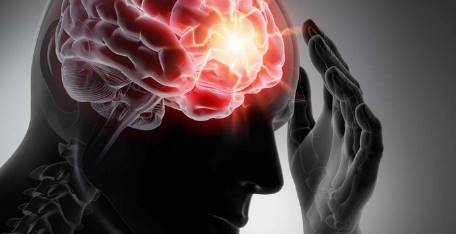
The Invisible Injury: Traumatic Brain Injury (TBI) in Austin, Texas
A car crash on MoPac. A fall from a ladder. A sports collision. A workplace accident. You walked away from the scene. You thought you were fine. But weeks later, the headaches won’t stop. You can’t concentrate. Your mood swings are destroying relationships. You forget things you’ve always known. The person you were before the accident is gone. Traumatic brain injury is often called the “invisible injury” because its effects are not always visible to the outside world. But for those who suffer from TBI, the effects are devastating—cognitive impairment, personality changes, memory loss, and a lifetime of struggle.
At Barton & Associates, Attorneys at Law, we represent individuals and families across Central Texas who have suffered traumatic brain injuries. From the highways of Austin to the construction sites of Round Rock, from the sports fields of Cedar Park to the homes of our neighborhoods, we understand the devastating impact of TBI. Our attorneys have spent decades fighting for the rights of those who have suffered brain injuries, holding negligent parties accountable and securing the compensation needed for lifelong care.
We know that TBI cases are different. They require a deep understanding of neurology, neuropsychology, and the long-term effects of brain injury. They require expert testimony from neurologists, neuropsychologists, and life care planners. They require a commitment to proving injuries that cannot be seen with the naked eye. We know how to investigate the cause of TBI, document the cognitive and behavioral effects, and build a case that reflects the true value of what has been lost.
If you or a loved one has suffered a traumatic brain injury, you are not alone. Let us help you navigate the path forward.
Understanding Traumatic Brain Injury
Traumatic brain injury (TBI) occurs when an external force injures the brain. It can range from mild (concussion) to severe (penetrating injury, diffuse axonal injury). The effects can be temporary or permanent.
Types of TBI:
-
Concussion (Mild TBI): The most common form of TBI. Can cause temporary symptoms but may also have lasting effects.
-
Contusion: Bruising of the brain tissue. Often caused by the brain striking the skull.
-
Diffuse Axonal Injury: Widespread damage to the brain’s white matter. Often caused by rotational forces.
-
Penetrating Injury: An object penetrates the skull and damages brain tissue.
-
Second Impact Syndrome: A second concussion before the first has healed can cause catastrophic damage.
Causes of TBI:
-
Car and truck accidents (the leading cause)
-
Falls (especially in the elderly and children)
-
Sports and recreational activities
-
Workplace accidents
-
Acts of violence
-
Explosions (military service)
For residents across Central Texas, TBI can result from accidents that happen every day.
What Are the Symptoms of Traumatic Brain Injury?
The symptoms of TBI vary depending on the severity of the injury and the area of the brain affected. Some symptoms appear immediately; others develop over time.
Physical Symptoms:
-
Headaches
-
Dizziness
-
Nausea
-
Fatigue
-
Sleep disturbances
-
Sensitivity to light or noise
-
Seizures
Cognitive Symptoms:
-
Memory loss (short-term and long-term)
-
Difficulty concentrating
-
Slowed thinking
-
Confusion
-
Problems with judgment and reasoning
-
Difficulty with language (finding words, speaking)
Behavioral and Emotional Symptoms:
-
Mood swings
-
Irritability and anger
-
Depression
-
Anxiety
-
Impulsivity
-
Personality changes
-
Social withdrawal
The “Invisible” Nature of TBI:
TBI is often called the “invisible injury” because its effects are not visible to the outside world. A person with TBI may look the same but struggle with cognitive and emotional challenges that others cannot see.
For those in the Austin area, recognizing the symptoms of TBI is the first step toward getting the help you need.
How to Prove a Traumatic Brain Injury Claim
Proving a TBI claim requires medical evidence, expert testimony, and documentation of the injury’s impact on your life.
Step 1: Seek Immediate Medical Attention
After an accident, seek medical attention even if you feel fine. Symptoms of TBI can develop days or weeks later. Document everything.
Step 2: Obtain Imaging
-
CT Scan: Can detect bleeding, fractures, and swelling
-
MRI: Can detect more subtle injuries, including diffuse axonal injury
Step 3: Undergo Neuropsychological Testing
Neuropsychological testing is the gold standard for documenting the cognitive effects of TBI. A neuropsychologist will administer tests to measure:
-
Memory
-
Attention
-
Processing speed
-
Executive function
-
Language
Step 4: Document Behavioral and Emotional Changes
-
Testimony from family members about personality changes
-
Documentation of mood swings, depression, anxiety
-
Evidence of social withdrawal
Step 5: Work with Experts
TBI cases require a team of experts:
-
Neurologists: Diagnose and treat the injury
-
Neuropsychologists: Document cognitive deficits
-
Life Care Planners: Project the lifetime costs of care
-
Vocational Experts: Assess your ability to return to work
-
Economists: Calculate lost income and future care costs
Step 6: Calculate Your Damages
-
Medical expenses (past and future)
-
Rehabilitation costs
-
Lost income
-
Loss of earning capacity
-
Pain and suffering
-
Loss of enjoyment of life
For residents across Central Texas, proving a TBI case requires a team of experts and an attorney with experience in brain injury litigation.
The Cost of TBI: Lifelong Care
TBI often requires lifelong care. The costs can be staggering.
Medical Costs:
-
Surgeries
-
Hospitalizations
-
Medications
-
Neurologist visits
-
Rehabilitation
Rehabilitation:
-
Physical therapy
-
Occupational therapy
-
Speech therapy
-
Cognitive rehabilitation
-
Vocational rehabilitation
Cognitive and Behavioral Care:
-
Neuropsychological counseling
-
Psychiatric care
-
Medication management
-
Behavioral therapy
Long-Term Care:
-
In-home nursing care
-
Assisted living
-
Memory care facilities
-
Case management
Lost Income:
-
Past lost wages
-
Future lost earning capacity
-
Loss of career advancement
The Importance of a Life Care Plan:
A life care plan prepared by a qualified life care planner is essential to calculating the lifetime costs of TBI. The plan projects all future medical, rehabilitation, and care needs.
For those in the Austin area, the costs of TBI can easily reach millions of dollars over a lifetime.
Mild TBI and Post-Concussion Syndrome
Even mild TBI (concussion) can have lasting effects. Post-concussion syndrome (PCS) is a condition in which concussion symptoms persist for weeks, months, or years after the injury.
Symptoms of PCS:
-
Persistent headaches
-
Dizziness
-
Fatigue
-
Memory problems
-
Difficulty concentrating
-
Irritability
-
Anxiety
-
Sleep disturbances
Why PCS Matters:
Even “mild” TBI can be devastating. PCS can prevent you from returning to work, engaging in family activities, or living a normal life. Your attorney must prove that your symptoms are real and that they are caused by the injury.
Proving PCS:
-
Medical records
-
Neuropsychological testing
-
Testimony from neurologists and neuropsychologists
-
Documentation of the impact on your daily life
For residents across Central Texas, even a “mild” brain injury can have devastating consequences.
TBI in Children
Children are especially vulnerable to TBI. Their brains are still developing, and an injury can affect their cognitive, emotional, and social development for the rest of their lives.
Causes of TBI in Children:
-
Falls
-
Car accidents
-
Sports injuries
-
Bicycle accidents
-
Shaken baby syndrome
Long-Term Effects:
-
Learning disabilities
-
Behavioral problems
-
Developmental delays
-
Social difficulties
-
Emotional regulation issues
Proving TBI in Children:
-
Medical records
-
Neuropsychological testing (when age-appropriate)
-
Educational records
-
Testimony from teachers and therapists
-
Life care plans that project future needs
For families in the Austin area, TBI in children requires a focus on future development and lifelong care.
The Role of Neuropsychological Testing
Neuropsychological testing is the gold standard for documenting the cognitive effects of TBI. Unlike imaging, which shows structural damage, neuropsychological testing shows functional deficits.
What Neuropsychological Testing Measures:
-
Intelligence (IQ)
-
Memory (verbal, visual)
-
Attention and concentration
-
Processing speed
-
Executive function (planning, organization, judgment)
-
Language
-
Visual-spatial skills
-
Motor function
Why It Matters:
Neuropsychological testing provides objective evidence of cognitive deficits. It can distinguish between symptoms caused by TBI and symptoms caused by other factors (depression, anxiety, pre-existing conditions).
Choosing a Neuropsychologist:
Your attorney will work with a neuropsychologist who specializes in TBI and who can provide expert testimony at trial.
For those in the Austin area, neuropsychological testing is essential to proving a TBI case.
Frequently Asked Questions About Traumatic Brain Injury in Austin, Texas
When clients come to our office—whether from Austin’s neighborhoods, the suburbs to the north and south, or the Hill Country communities—they often have questions about TBI claims. Here are the answers to the most common inquiries we receive.
What is traumatic brain injury?
Traumatic brain injury (TBI) occurs when an external force injures the brain. It can range from mild (concussion) to severe (penetrating injury, diffuse axonal injury).
What are the symptoms of TBI?
Symptoms include headaches, dizziness, memory loss, difficulty concentrating, mood swings, irritability, depression, and personality changes.
How is TBI diagnosed?
TBI is diagnosed through imaging (CT, MRI), neurological examination, and neuropsychological testing.
What is neuropsychological testing?
Neuropsychological testing is a series of tests that measure cognitive function—memory, attention, processing speed, executive function, and more. It is the gold standard for documenting the effects of TBI.
What is post-concussion syndrome?
Post-concussion syndrome (PCS) is a condition in which concussion symptoms persist for weeks, months, or years after the injury.
What damages can I recover?
You can recover medical expenses, rehabilitation costs, lost income, pain and suffering, and the cost of lifelong care.
Do I need an attorney for a TBI case?
Yes. TBI cases are complex and require expert testimony from neurologists, neuropsychologists, and life care planners. An experienced TBI attorney can help you navigate the process and secure the compensation you need.
Why Barton & Associates for Traumatic Brain Injury in Austin
TBI cases require attorneys who understand the science, the medical complexities, and the strategies for proving cognitive deficits. Our attorneys have spent decades representing individuals and families across Central Texas who have suffered brain injuries.
We know the local courts. We know the experts—neurologists, neuropsychologists, life care planners. And we know how to build a case that reflects the true impact of the injury on your life.
Take the First Step Toward Rebuilding Your Life
If you or a loved one has suffered a traumatic brain injury, do not wait. The two-year statute of limitations is strict. Evidence disappears. The sooner you have an experienced attorney on your side, the sooner you can begin the process of seeking the compensation you need to rebuild your life.
Call our Austin office today at 512-THE-FIRM (843-3476) to speak with an experienced traumatic brain injury attorney about your case. You can also complete the online Free Consultation form on our website to schedule a confidential meeting. Please note, on-site consultations are by appointment only. We look forward to helping you seek the justice you deserve.
Main Category: Personal Injury Austin
Practice Area Category: Catastrophic & Severe Injuries
Barton & Associates, Attorneys at Law
316 W 12th St Suite 400, Austin, TX 78701
Office: 512-THE-FIRM (843-3476)