Civil Rights & Police Misconduct in Corpus Christi: Holding Law Enforcement Accountable for Constitutional Violations
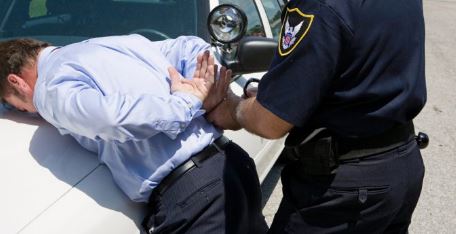
When you encounter law enforcement, you trust that officers will protect your rights, not violate them. You trust that they will follow the law, respect your dignity, and act within their authority. But when police officers exceed their authority—using excessive force, making unlawful arrests, conducting illegal searches, or engaging in discriminatory conduct—the consequences can be devastating. In Corpus Christi and throughout the Coastal Belt, civil rights claims provide a pathway to justice for individuals whose constitutional rights have been violated by law enforcement. When your rights are violated, you have the right to hold those responsible accountable.
At Barton & Associates, Attorneys at Law, we represent individuals throughout Corpus Christi and the Coastal Bend whose civil rights have been violated by law enforcement. Whether you have been a victim of excessive force, false arrest, unlawful search, or other misconduct, we provide the knowledgeable, aggressive representation you need to seek justice and recover the compensation you deserve. With extensive experience in civil rights litigation, we guide our clients through every stage of the complex claims process.
Understanding Civil Rights and Police Misconduct
Civil rights are the fundamental rights guaranteed to all individuals by the Constitution and federal law. When law enforcement officers violate these rights, victims can seek justice through civil lawsuits under federal law, primarily 42 U.S.C. § 1983.
What Are Constitutional Rights?
The Fourth Amendment protects against unreasonable searches and seizures. The Fifth Amendment protects against self-incrimination and guarantees due process. The Eighth Amendment prohibits cruel and unusual punishment. The Fourteenth Amendment guarantees equal protection under the law.
What Is a Section 1983 Claim?
Section 1983 is a federal law that allows individuals to sue government officials, including police officers, for violating their constitutional rights. To succeed, you must prove:
- A person acting under color of state law (such as a police officer)
- Deprived you of a right secured by the Constitution or federal law
Common Types of Police Misconduct
Excessive Force
Police officers are authorized to use force only when reasonably necessary. Excessive force occurs when an officer uses more force than necessary under the circumstances.
Examples:
- Unnecessary physical strikes or blows
- Improper use of tasers or stun guns
- Unjustified use of pepper spray
- Chokeholds or neck restraints
- Shooting an unarmed suspect
- Striking a handcuffed individual
- Using force against a compliant individual
Legal Standard:
The use of force must be objectively reasonable under the circumstances. Factors considered include:
- The severity of the alleged crime
- Whether the suspect posed an immediate threat
- Whether the suspect was actively resisting arrest
- Whether the suspect was attempting to flee
False Arrest and False Imprisonment
Officers have the authority to arrest individuals only when they have probable cause. When an officer arrests someone without probable cause, it is false arrest.
Examples:
- Arrest without probable cause
- Arrest based on false information
- Detaining someone beyond the scope of a traffic stop
- Holding someone without legal authority
Unlawful Search and Seizure
The Fourth Amendment protects against unreasonable searches and seizures. Officers must have a warrant, probable cause, or consent to search.
Examples:
- Searching a home without a warrant
- Searching a vehicle without probable cause
- Strip searches without justification
- Seizure of property without legal authority
Malicious Prosecution
Malicious prosecution occurs when an officer initiates criminal proceedings without probable cause and with malice.
Examples:
- Filing false charges
- Withholding exculpatory evidence
- Lying to prosecutors or grand juries
- Continuing prosecution after discovering innocence
Failure to Intervene
Officers have a duty to intervene when they see another officer using excessive force or violating a citizen’s rights.
Racial Profiling and Discrimination
The Fourteenth Amendment guarantees equal protection under the law. Officers cannot target individuals based on race, ethnicity, religion, or other protected characteristics.
Examples:
- Stopping drivers based on race
- Targeting individuals based on appearance
- Discriminatory enforcement of laws
Retaliation for Exercising Rights
Officers cannot retaliate against individuals for exercising their constitutional rights, such as:
- Recording police activity
- Protesting or speaking out
- Filing complaints against officers
- Asserting the right to remain silent
Inadequate Training or Supervision
Municipalities and police departments can be liable for failing to properly train or supervise officers when the failure amounts to deliberate indifference to citizens’ rights.
The Consequences of Police Misconduct
Police misconduct can have devastating consequences:
Physical Consequences
- Broken bones and fractures
- Traumatic brain injuries
- Spinal cord injuries
- Internal injuries
- Scarring and disfigurement
- Death
Psychological Consequences
- Post-traumatic stress disorder (PTSD)
- Anxiety and depression
- Fear of law enforcement
- Sleep disturbances
- Emotional distress
Financial Consequences
- Medical expenses
- Lost wages
- Rehabilitation costs
- Legal fees
- Long-term care costs
Legal Consequences
- Wrongful convictions
- Loss of liberty
- Criminal records for innocent individuals
Proving Police Misconduct
Evidence Needed
- Body camera footage
- Dash camera footage
- Witness testimony
- Medical records
- Photographs of injuries
- Police reports
- Dispatch recordings
Expert Witnesses
- Use-of-force experts
- Police procedure experts
- Medical experts
- Forensic experts
Municipal Liability
In some cases, the city or police department can be held liable for:
- Failure to train officers
- Failure to supervise officers
- Pattern or practice of misconduct
- Unconstitutional policies or customs
The Civil Rights Case Process
Step 1: Preserve Evidence
- Take photographs of injuries
- Obtain body camera footage promptly
- Identify witnesses
- Keep copies of all documents
- Seek medical treatment
Step 2: File a Complaint
You may need to file a complaint with the police department’s internal affairs division. However, do not provide a statement without consulting an attorney.
Step 3: Consult an Attorney
An experienced civil rights attorney can evaluate your case and advise you on your rights.
Step 4: Investigation
Your attorney conducts a thorough investigation, including:
- Obtaining all available footage
- Interviewing witnesses
- Consulting with experts
- Reviewing police records
Step 5: Notice of Claim
Claims against government entities often require filing a notice of claim within a short deadline—often 90 days.
Step 6: Demand and Negotiation
Your attorney sends a demand letter and negotiates with the city or county.
Step 7: Litigation
If a fair settlement cannot be reached, your attorney files a lawsuit in federal or state court.
Frequently Asked Questions About Civil Rights and Police Misconduct
What is a Section 1983 claim?
Section 1983 is a federal law that allows individuals to sue government officials, including police officers, for violating their constitutional rights.
How long do I have to file a civil rights claim?
Claims against government entities require filing a notice of claim within a short deadline—often 90 days. The statute of limitations for Section 1983 claims is generally two years.
What is excessive force?
Excessive force occurs when an officer uses more force than reasonably necessary under the circumstances.
Can I sue for false arrest?
Yes. If you were arrested without probable cause, you may have a claim for false arrest.
What is qualified immunity?
Qualified immunity is a legal doctrine that shields government officials from liability unless they violated clearly established constitutional rights. It is a common defense in police misconduct cases.
Can I sue the city for police misconduct?
In some cases, yes. Municipalities can be liable for failure to train or supervise officers, or for unconstitutional policies or customs.
What damages can I recover?
You may recover medical expenses, lost wages, pain and suffering, emotional distress, and in cases of death, wrongful death damages.
Do I need an attorney for a police misconduct case?
Yes. Police misconduct cases are complex, involve strict deadlines, and require knowledge of constitutional law and qualified immunity. An experienced civil rights attorney can help you navigate the process.
What if I was convicted of a crime?
If your conviction resulted from police misconduct, you may need to have the conviction overturned before pursuing a civil claim.
How much does it cost to hire a civil rights attorney?
Most civil rights attorneys work on a contingency fee basis—you pay nothing upfront, and the attorney is paid a percentage of any recovery.
Why Barton & Associates Is the Right Choice for Your Civil Rights Case
Police misconduct cases require attorneys who understand constitutional law, qualified immunity, and the unique challenges of suing government entities. At Barton & Associates, Attorneys at Law, we have extensive experience representing victims of police misconduct in Corpus Christi and throughout the Coastal Belt.
Our attorneys understand the physical and emotional toll of police misconduct. We work closely with our clients to investigate the facts, gather evidence, and build a compelling case for full compensation. We know the deadlines, the procedures, and the strategies for holding law enforcement accountable.
We also understand that civil rights cases require swift action. The deadlines for claims against government entities are strict, and evidence can be lost. Our attorneys act quickly to protect your rights and preserve your claims.
Seek Justice for Civil Rights Violations Today
If your civil rights have been violated by law enforcement in Corpus Christi, you have the right to seek justice. Do not wait. The deadlines for claims against government entities are strict, and evidence can be lost.
Contact the experienced civil rights attorneys at Barton & Associates today. Call us directly at 361-800-6780 to speak with a member of our team. You may also complete the Free Consultation form on our website, and we will reach out to you promptly. Please note that all on-site consultations at our Corpus Christi office are by appointment only, ensuring that we can give your case the focused attention it requires.
Reach out today—let us help you hold law enforcement accountable and recover the compensation you deserve.
Main Category: Personal Injury Corpus Christi
Practice Area Category: Intentional & Complex Torts
Barton & Associates, Attorneys at Law
5110 Wilkinson Dr Suite 210, Corpus Christi, TX 78415
Office: 361-800-6780