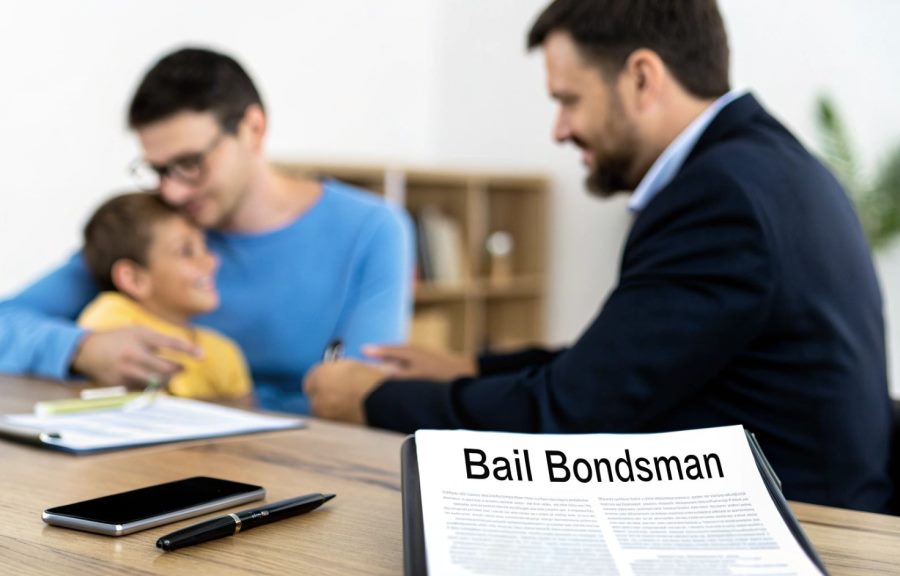
Do You Need a Bail Bondsman or a Criminal Defense Attorney First in San Antonio?
When someone you love is arrested on a Misdemeanors charge in Bexar County, the panicked first instinct is almost always the same: call a bail bondsman and get them out. That instinct makes sense, but it’s worth understanding your actual options before making that first call, because there’s a real, distinct alternative most people don’t know exists — one where getting your loved one out of jail and getting them real legal representation happen as the same act, not two separate transactions.
The Standard Path: A Bail Bondsman
A licensed bail bondsman, regulated under Texas Occupations Code Chapter 1704, can post a surety bond on your behalf in exchange for a fee — typically around 10% of the total bail amount, and this fee is generally non-refundable regardless of how the case turns out. This gets your loved one released, but it’s purely a financial transaction: the bondsman isn’t your San Antonio criminal defense attorney, doesn’t represent you in your case, and by law, generally cannot even recommend a specific attorney to you. Texas law specifically prohibits a bail bond surety from suggesting the employment of a particular lawyer to someone they’re bonding out.
A Different Option: An Attorney Can Post Your Bond Directly
Here’s something worth knowing that a lot of families in this situation never hear about: under Texas Occupations Code Section 1704.163, a misdemeanor lawyer in San Antonio can execute a bail bond and act as the surety, without needing a separate bail bondsman’s license — as long as, at the time the bond is posted, the attorney has filed (or is filing) a notice of appearance as the attorney of record in that same criminal case.
In plain terms: when an attorney posts your bond this way, getting released from jail and having legal representation begin aren’t two separate steps you have to arrange one after the other. They happen together, because the law requires them to.
A Protective Detail Worth Knowing
Texas law didn’t always require much beyond that. In the past, this exemption occasionally led to a real problem: bonds being posted by an attorney the defendant had never actually spoken to, met, or agreed to retain. The Texas Legislature addressed this directly — current law requires the defendant to sign an affidavit, attached to the bond itself, affirmatively confirming they’ve actually retained that specific attorney for their case.
This matters practically: if you’re offered an attorney-posted bond, understand that you’re also entering a genuine attorney-client relationship at that moment, not simply accepting a faster or different way to pay for release. It’s worth taking that decision as seriously as you would any choice of legal representation, even in a moment that feels urgent.
Why This Distinction Actually Matters
The practical advantage of an attorney-posted bond isn’t just convenience — it’s timing. Legal representation beginning at the moment of release, rather than being arranged separately afterward, means decisions in the earliest, often most consequential hours of a case (what to say, whether to answer questions, how to approach the first hearing) are being made with an attorney already involved, rather than during the gap between a bondsman’s transaction and a later phone call to a law firm.
What This Means for Your Bexar County Situation
If you or a loved one has just been arrested, the practical question worth asking first isn’t only “how do we get out of jail” — it’s “who do we want handling this case, and can that same person help with release.” Reaching out to a San Antonio misdemeanor lawyer immediately, rather than only a bail bondsman, at least gives you the option to explore whether combining both steps makes sense for your specific situation.
Frequently Asked Questions
Q: Can a lawyer really post my bail instead of a bondsman?
A: Yes. Texas law specifically allows a licensed attorney to act as a surety and post bond without a separate bondsman’s license, as long as the attorney files a notice of appearance as counsel of record in that case at the time the bond is posted.
Q: Is there a difference between a bondsman’s fee and what an attorney charges to post bond?
A: The financial mechanics can vary by attorney and by case, and this is worth asking about directly. The bigger structural difference is that an attorney posting your bond is simultaneously becoming your attorney of record, which a standard bondsman transaction does not include.
Q: Can my bail bondsman just recommend a good attorney for me?
A: Generally, no — Texas law prohibits a bail bond surety from recommending or suggesting a particular attorney to someone they’re bonding out. If this happens, it’s worth understanding that it isn’t standard, permitted practice.
Q: If an attorney posts my bond, am I automatically their client?
A: You should be, and Texas law requires you to sign an affidavit confirming you’ve actually retained that attorney before they can post your bond this way. Make sure you understand and agree to that relationship, not just the release itself.
Q: Should I call a bondsman or an attorney first after an arrest?
A: It’s worth calling a criminal defense attorney as early as possible, since some attorneys can handle both release and representation together. Even if you also work with a separate bondsman, getting an attorney involved immediately means someone is protecting your interests from the earliest, most consequential hours of your case.
Schedule a Free Consultation
Barton & Associates, Attorneys at Law
115 Camaron St, San Antonio, TX 78205
Office: 210-500-0000
Division: Criminal Defense San Antonio
Practice Area: Misdemeanors