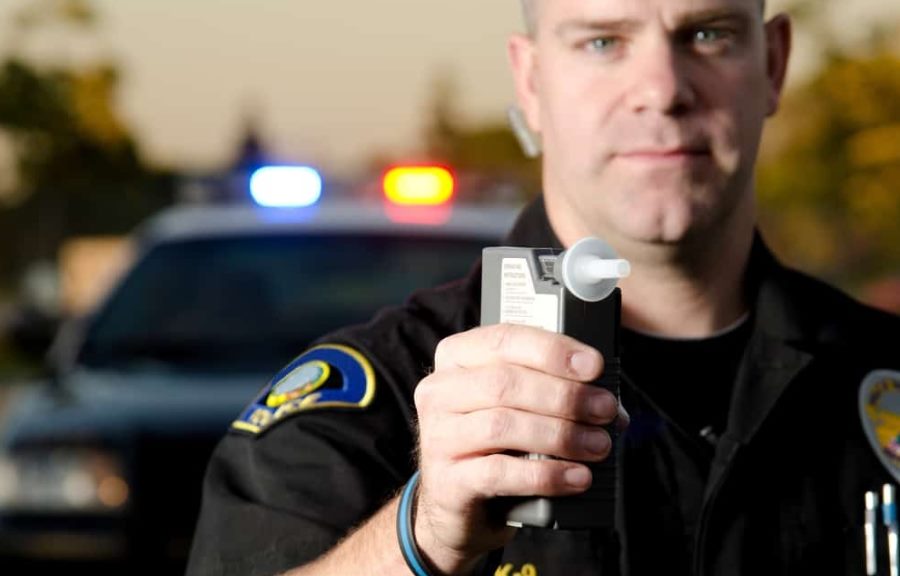
No-Refusal Weekends in San Antonio: Fighting a Blood Warrant
If you refused a breath test during a DWI stop in San Antonio and your blood was drawn anyway, you ran into what Bexar County calls its “no-refusal” policy. It is one of the most misunderstood parts of a DWI case here, and it is the reason a refusal rarely keeps blood evidence out of a case. A signed warrant is where the defense starts, not where it ends. Our page for a DWI attorney in San Antonio explains how these cases work in general, and our article on refusing a breathalyzer in Texas covers the choice you made at the roadside.
This page explains what “no-refusal” actually means, how the blood warrant process works, which cases Texas law treats as “mandatory” and why even those still require a warrant, and how the warrant and the draw itself can be challenged. If you were arrested recently, our article on how to fight a DWI arrest covers the wider picture.
“No-Refusal Weekend” Is a Misleading Name
The name suggests a holiday event, and in Bexar County it began that way. No-refusal enforcement started in May 2008 on major holiday weekends and expanded to every weekend by early 2011. According to news reports at the time, it went to seven days a week on October 24, 2011, with a state grant paying for overtime for the officers and nurses who draw blood once a judge approves a warrant. A refusal on a Tuesday afternoon can lead to the same warrant request as a refusal on a Friday night.
It helps to be clear about what the policy is. “No-refusal” is a name for a practice, not a Texas statute. The legal authority for taking your blood over your objection is a search warrant, or in rare cases a recognized exception such as a genuine emergency. That is why the warrant, and not the name, is what a defense lawyer examines.
How the Blood Warrant Process Actually Works
After a DWI arrest and a refusal to give a breath or blood specimen, the officer can ask a magistrate for a search warrant for a blood draw. The request is a sworn affidavit in which the officer sets out the facts, and the magistrate decides whether they show probable cause (Code of Criminal Procedure Article 18.01(b)). The affidavit can be sworn by phone or other electronic means (Article 18.01(b-1)), and a magistrate who is a licensed attorney can issue the warrant for an intoxication offense when the person has refused (Article 18.01(j)). In Bexar County, the 2011 reports described an on-call judge and a prosecutor’s office staff member available around the clock, which is why a warrant can be signed within hours of an arrest.
Once the warrant is signed, the officer takes you for the draw, which must be done by a person the law recognizes as qualified (Transportation Code Section 724.017). The officer must execute the warrant without delay (Article 18.06), and a warrant for evidence like this generally has an execution window of three days unless the magistrate sets a shorter one (Article 18.07). An officer in a county adjacent to the issuing county can execute it (Article 18.067).
The license is a separate track. A refusal can lead to a suspension of 180 days, or two years with a prior alcohol-related contact in the preceding 10 years (Section 724.035), and the refusal itself can be introduced into evidence at trial (Section 724.061). The deadline to ask for a hearing on the suspension is short, and our article on the ALR hearing 15-day deadline explains it. A refusal therefore does not keep the blood out. It adds a license problem and a piece of evidence.
When Is a Blood Draw “Mandatory” Under Texas Law?
Transportation Code Section 724.012 is the statute behind the word “mandatory.” The officer may ask for a breath or blood specimen after a DWI arrest, and in some cases the statute says the officer must require one if the person refuses. The version below applies to arrests on or after September 1, 2021, when the Legislature rewrote part of the section. Earlier arrests follow the older text.
- A crash with a death or serious injury. The officer must require a blood specimen when the person was driving in a collision the officer reasonably believes resulted from the offense, and the officer reasonably believes someone died, will die or suffered serious bodily injury as a result (Section 724.012(a-1)).
- A crash with an injured person taken for medical care. The officer must require a breath or blood specimen when someone other than the driver was injured in a collision the officer reasonably believes resulted from the offense and was taken to a hospital or medical facility (Section 724.012(b)(1)).
- A child passenger. The officer must require a specimen when the arrest is for DWI with a child passenger under Penal Code Section 49.045 (Section 724.012(b)(2)). Our article on DWI with a child passenger explains that charge.
- A prior record. The officer must require a specimen when the officer has reliable information from a credible source that the person has a prior conviction or community supervision for child-passenger DWI, intoxication assault or intoxication manslaughter, or has two or more prior convictions or community supervision terms for DWI, flying while intoxicated, boating while intoxicated or operating an amusement ride while intoxicated. Substantially similar out-of-state offenses count (Section 724.012(b)(3)).
These categories describe the officer’s duty to require a specimen. They do not say that the officer may take blood without a warrant, and since 2021 the statute says the opposite.
The Critical Point: “Mandatory” Doesn’t Mean “Without a Warrant”
A common belief is that a mandatory category lets police draw blood on the spot. It does not. Subsection (e) of Section 724.012 states that an officer may not require a specimen unless the officer has a warrant directing it or has probable cause to believe exigent circumstances exist. That codifies where the constitutional law had already gone. In Missouri v. McNeely (2013), the U.S. Supreme Court held that the natural loss of alcohol from the bloodstream does not, by itself, create an emergency that excuses a warrant. In Birchfield v. North Dakota (2016), the Court held that a blood test cannot be justified as a search incident to arrest.
The Texas Court of Criminal Appeals applied those rules to the mandatory provision in State v. Villarreal (2014). The driver had refused testing, the officer learned of his prior DWI convictions and took him for a draw under Section 724.012(b) without a warrant, and both sides agreed there was no emergency. By a 5-to-4 vote, the court held that the draw violated the Fourth Amendment. It rejected the argument that the driver had given consent by driving in Texas, because consent must be able to be withdrawn and a clear refusal overrides it. It also rejected the automobile exception, the search-incident-to-arrest exception and a general balancing test.
Real emergencies still exist. In Mitchell v. Wisconsin (2019), a plurality of the U.S. Supreme Court said that when a driver is unconscious and cannot take a breath test, the emergency exception will generally allow a warrantless blood draw. A serious crash scene can create genuine urgency as well. But a warrantless draw in a Bexar County DWI case is the exception, and when the State claims an emergency, we look at what the officer knew, how long the officer waited and whether a warrant could have been obtained. In Villarreal, the officer admitted he could have gotten one.
Challenging the Warrant Itself
A signed warrant does not decide the case. Texas excludes evidence obtained in violation of the law (Code of Criminal Procedure Article 38.23(a)), and the State will often answer that the officer acted in objective good faith in reliance on a warrant issued by a neutral magistrate (Article 38.23(b)). Whether that argument works depends on how the affidavit was written and what the officer knew. There are three main places to look, and a fourth question about what the result proves.
The Warrant Affidavit
A court reviewing a warrant looks only inside the four corners of the affidavit, plus the reasonable inferences from it, and not at what the officer says later at the suppression hearing (Hyland v. State, Texas Court of Criminal Appeals, 2019). For a DWI blood warrant, the affidavit has to show probable cause that you were operating a motor vehicle in a public place while intoxicated and that your blood would be evidence of it. We look for conclusions with no facts behind them, missing facts about the driving, times that do not line up, a stop that lacked reasonable suspicion and descriptions of field sobriety tests that do not match the video. Our article on challenging the DWI stop explains why a bad stop matters here.
If the affidavit contains false statements made knowingly or with reckless disregard for the truth, a court can set those statements aside and ask whether what remains still shows probable cause (Franks v. Delaware; Hyland). We also check whether the magistrate was qualified to issue the warrant, whether the affidavit was properly sworn, including by the electronic procedure, and whether the warrant was signed before the draw rather than after.
How the Draw Was Performed
Texas law lists who may take blood at an officer’s request: a physician, a qualified technician, a registered professional nurse, a licensed vocational nurse, or an EMT-Intermediate or paramedic acting under a medical director’s protocol, and the draw must take place in a sanitary place (Section 724.017). When a warrant is involved, the court treats the manner of the draw as a question of Fourth Amendment reasonableness and not as a strict test of that list. In State v. Johnston (2011), the Court of Criminal Appeals held that a person is not disqualified just because he is a police officer and that a non-medical setting is not automatically unreasonable. So we ask who drew the blood, what training the person had, where it happened, what equipment and preservative were used, whether force or restraint was involved, and whether the draw followed the terms of the warrant. When an EMT or paramedic draws the blood, the officer must watch the draw and take possession of the specimen right away to establish the chain of custody (Section 724.017(c-2)).
Chain of Custody
A blood sample travels from your arm to a tube, to an officer, to storage, to transport and to a lab. Each step should be documented: labeling, seals, storage, who handled it and when. Texas courts often treat gaps in the chain as going to the weight of the evidence rather than its admissibility unless tampering or substitution is shown. In practice, the point is usually to raise reasonable doubt that the sample tested reflects what was in your blood when you were driving, and we ask for the lab file and the property records to test that.
What the Result Does and Does Not Show
A lab number is not the same as your alcohol level at the time you were driving. The warrant process takes time, so blood is often drawn hours after the stop, and alcohol levels change in the meantime. The State may use an expert to work backward from the result, which is called retrograde extrapolation. The Court of Criminal Appeals, in a case from Bexar County, held that this kind of testimony is reliable only when the science is applied correctly and with enough knowledge of the individual person’s characteristics (Mata v. State, 2001). The lab’s methods, calibration records and the way the result was reported are open to question as well.
What This Means for Your Bexar County Case
A warrant being signed does not mean the process was done correctly, and a blood result is not beyond challenge. The first days after an arrest are when records, video and memories are easiest to protect. We recommend the following.
- Ask for copies of the warrant, the affidavit and the inventory, and keep every piece of paper you were given at the jail, the magistrate’s office and the hospital.
- Write down the timeline while you remember it: when you were stopped, arrested, asked for a specimen, taken to the magistrate and when blood was drawn.
- Ask your lawyer to preserve the body camera, dash camera, jail and hospital video, which can show the stop, the refusal and the draw.
- Note who drew your blood, where, whether you were restrained and anything unusual about the equipment or the room.
- Count the days on your license. The deadline for requesting an ALR hearing does not wait for the criminal case.
- Do not argue about the warrant with the officers, do not physically resist and do not discuss the arrest with anyone but your lawyer. The place to challenge the warrant is in court.
Reviewing the affidavit, the circumstances of the draw and the chain of custody can uncover a real defense. That review is best done early with a lawyer, and our article on being charged with DWI explains what to expect as the case moves forward.
More About DWI Charges in San Antonio
These articles go further into questions that come up after a DWI arrest. Each one is written for Texas and Bexar County.
- ALR hearing or occupational license: how to decide between fighting the suspension and seeking a license to drive.
- First court date in Bexar County: what happens and how to prepare.
- Misdemeanor trial in Bexar County: how a trial works from jury selection to verdict.
- Misdemeanor charges dismissed: when and how a case can end without a conviction.
- Texas Penal Code guide: where the DWI offenses sit and how they are graded.
- Texas expunction guide: when a dismissal can be erased from your record.
Why San Antonio Clients Choose Barton & Associates for DWI Defense
A blood warrant case turns on paperwork, timing and science, so you need a lawyer who reads the affidavit, questions the draw and the lab, and tells you plainly what the evidence shows. Our criminal defense trial attorneys prepare each DWI case as one that may go to a jury. Our founder, Gary J. Barton, is Board Certified in Criminal Law, a former Capital Murder prosecutor and a trial lawyer who has tried more than 100 cases to a jury. Barton & Associates has handled Texas trial work since 2001.
We cannot promise a result, and you should be wary of any lawyer who does. What we can do is tell you what the State has, where the weak points are and what we recommend. The first consultation is free and confidential. Our San Antonio office is at 115 Camaron Street, San Antonio, Texas 78205. You can get directions to our office before your visit. If you can, bring or send the following when you call.
- The warrant, the affidavit and the inventory, if you were given copies
- The arrest paperwork, the bond conditions and the date of your next court setting
- Any paperwork about your refusal, and the notice of suspension and the date you received it
- Hospital, clinic or jail paperwork about the blood draw, and the names of anyone you remember
- Your timeline of the stop, the arrest, the magistrate and the draw
- Whether there was a crash, an injury or a child in the car, since those change the analysis
- Any video or photographs from the stop, and the names of witnesses
- Your prior arrests or alcohol-related history, if any, and whether you hold a commercial driver’s license
Frequently Asked Questions
Does Bexar County only do blood draws on “No-Refusal Weekends”?
No. The policy began on holiday weekends in 2008, moved to every weekend in early 2011 and, according to reports at the time, went to seven days a week on October 24, 2011. “No-refusal” is the name of a practice and not a statute. The legal authority for a blood draw after a refusal is a search warrant, or in rare cases a recognized exception such as a genuine emergency, and a warrant can be requested on any day.
If my case falls into a “mandatory” blood draw category, does that mean police didn’t need a warrant?
Generally no. Section 724.012 says the officer must require a specimen in certain cases, but subsection (e) bars requiring one without a warrant or probable cause to believe an emergency exists. In State v. Villarreal (2014), the Court of Criminal Appeals held that a warrantless draw under the mandatory provision, without consent or an emergency, violated the Fourth Amendment. Alcohol leaving the bloodstream is not an emergency by itself (Missouri v. McNeely).
Can I still fight my case if my blood was drawn pursuant to a valid-looking warrant?
Yes. A warrant that looks fine on its face can still be challenged through what the affidavit says, whether the stop was lawful, how the draw was performed, how the sample was handled and what the result can prove. A court looks only inside the four corners of the affidavit, so a weak one cannot be repaired by testimony later, although the State may argue the officer acted in good faith. We review the paperwork before advising you.
I refused the breath test. Doesn’t that help my case?
Not usually. A refusal does not stop a warrant, and it brings its own consequences. DPS can suspend your license for 180 days, or two years with a prior alcohol-related contact, unless you request an ALR hearing in time, and the State can offer the refusal as evidence at trial (Transportation Code Sections 724.035 and 724.061). Whether refusing helped or hurt depends on the rest of the evidence, so talk to a lawyer about both the license and the criminal case.
Who is actually allowed to draw my blood after a DWI arrest?
Under Transportation Code Section 724.017, a physician, a qualified technician, a registered professional nurse, a licensed vocational nurse or, under a medical director’s protocol, an EMT-Intermediate or paramedic, and the draw must happen in a sanitary place. When a warrant is involved, courts treat the manner of the draw as a Fourth Amendment reasonableness question and not as a strict checklist (State v. Johnston), but who drew your blood, where and how are still fair questions.
Can police take my blood without a warrant?
Only in narrow situations, such as real consent or a genuine emergency. In Mitchell v. Wisconsin (2019), a plurality of the U.S. Supreme Court said that when a driver is unconscious and cannot take a breath test, the emergency exception will generally allow a warrantless blood draw. The fact that alcohol dissipates does not create an emergency by itself. When the State claims an emergency, we look at what the officer knew and whether a warrant could have been obtained.
What does the officer have to put in the warrant affidavit?
Sworn facts that show probable cause that you operated a motor vehicle in a public place while intoxicated and that your blood will be evidence of it (Code of Criminal Procedure Article 18.01). That usually means the reason for the stop, the driving, the officer’s observations, the field sobriety tests and your refusal. A conclusion with no facts behind it, or a fact the video contradicts, is a weakness we look for.
Does a blood result over the legal limit mean I will be convicted?
No. A lab result is evidence and not a verdict. Blood is usually drawn hours after the driving, the State may need an expert to estimate your level at the time you were driving, and that estimate is only as reliable as the facts behind it (Mata v. State). The handling of the sample and the lab’s methods and records are open to question as well.
What if a warrant is signed and I don’t want to cooperate with the draw?
A signed warrant allows officers to have the blood drawn whether or not you agree. Physically resisting rarely helps and can lead to added problems, including possible additional charges. The better course is to stay calm, say nothing about the case, notice anything unusual about the draw and let your lawyer challenge the warrant and the process in court.
Does the delay between my arrest and the blood draw matter?
It can. An officer must execute a warrant without delay (Code of Criminal Procedure Article 18.06), and it has an execution window of generally three days unless the magistrate sets a shorter one (Article 18.07). The more practical issue is that alcohol levels change over time, so a long gap between the driving and the draw affects what the result can show. We build the timeline from the arrest, magistrate and hospital records.
Will I still lose my license if police got a warrant and drew my blood?
Do not assume the warrant cancels the refusal. The license track is separate from the criminal case, and DPS can pursue a refusal suspension even though blood was later drawn. The deadline to ask for an ALR hearing runs from the day you receive the notice of suspension, usually the day of the arrest, so treat the suspension as live until a lawyer tells you otherwise.
What happens if the judge decides the warrant was invalid?
The blood result can be excluded under Article 38.23, although the State may argue the officer relied on the warrant in good faith. If the blood is excluded, the case turns on the remaining evidence, such as the video of the driving, the field sobriety tests and the officer’s testimony. Exclusion does not automatically end a case, but it can change what the State can prove.
Talk With a San Antonio Lawyer About Your Blood Test Case
The sooner a lawyer sees the warrant, the more can be done about the video, the draw and the license deadline. Speak with a San Antonio DWI lawyer at Barton & Associates about whether the warrant, the draw and the lab result can be challenged in your case.
Call our San Antonio office at 210-500-0000 or complete the online Free Consultation form to schedule a confidential meeting. For charges beyond DWI, you can also reach a San Antonio criminal defense attorney at the same office, 115 Camaron Street, San Antonio, Texas 78205.
Schedule a Free Consultation
Barton & Associates, Attorneys at Law
115 Camaron St, San Antonio, TX 78205
Office: 210-500-0000
Division: Criminal Defense San Antonio
Practice Area: DWI & Intoxication