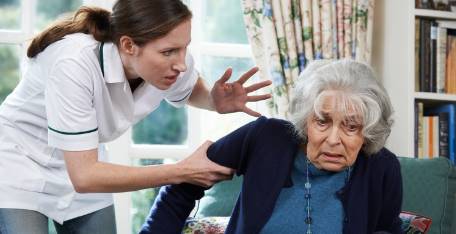
Protecting San Antonio’s Most Vulnerable: Fighting Nursing Home Abuse & Neglect
When Trust Is Betrayed: Holding Texas Nursing Homes Accountable for Abuse and Neglect
Placing a loved one in a nursing home or assisted living facility is one of the most difficult decisions a family can make. It is a decision rooted in trust—trust that the facility will provide compassionate, competent, and dignified care. Tragically, that trust is sometimes shattered by acts of abuse, neglect, and systemic failure. The resulting harm—bedsores, unexplained fractures, dehydration, medication errors, emotional trauma, and even wrongful death—is both a profound personal betrayal and a clear legal wrong.
At Barton & Associates in San Antonio, Texas, we are fierce advocates for the elderly and their families. Our dedicated nursing home abuse lawyers possess a deep understanding of the Texas laws and regulations governing long-term care facilities, as well as the complex medical issues involved in these cases. We are committed to exposing negligent facilities, pursuing maximum compensation for victims, and forcing systemic change to protect other vulnerable residents. If you suspect your loved one is being mistreated, trust your instincts and contact us. We will listen, investigate, and fight tirelessly for justice.
Understanding Nursing Home Abuse & Neglect in Texas
Nursing home abuse and neglect are not just moral failures; they are violations of both Texas state law and federal regulations established by the Centers for Medicare & Medicaid Services (CMS). Facilities that accept Medicare/Medicaid funding are legally obligated to provide a standard of care that maintains each resident’s highest practicable physical, mental, and psychosocial well-being.
Abuse and neglect generally fall into the following categories, often overlapping:
Physical Abuse & Neglect
- Neglect: The failure to provide the basic necessities of life and adequate care, often due to understaffing or inadequate training. This is the most common form of harm.
- Medical Neglect: Ignoring changing health conditions, failing to call a doctor, mismanaging medications, or not providing prescribed treatments.
- Basic Needs Neglect: Leading to malnutrition, severe dehydration, and poor personal hygiene.
- Mobility Neglect: Failure to assist with mobility or turn bedridden residents, resulting in deadly pressure ulcers (bedsores) and muscle atrophy.
- Environmental Neglect: Unsanitary conditions, poor maintenance, and unsafe premises leading to falls and infections.
- Physical Abuse: The intentional use of force causing injury, impairment, or pain.
- Unexplained bruises, welts, burns, or fractures.
- Injuries from inappropriate physical or chemical restraints.
- Signs of being roughly handled (fingerprint bruises, skin tears).
Psychological & Emotional Abuse
- Verbal assaults, threats, intimidation, humiliation, or isolation.
- Treating a resident like a child or ignoring them completely.
- This abuse leaves no visible scars but can lead to severe depression, anxiety, withdrawal, and a sudden fear of caregivers.
Financial Exploitation
- The illegal or improper use of a resident’s funds, property, or assets.
- Includes theft of cash or possessions, forged checks, unauthorized credit card use, and coercing residents into changing wills or power of attorney.
Sexual Abuse
- Any non-consensual sexual contact of any kind with a nursing home resident.
- Residents with cognitive impairments like dementia are at extreme risk. Signs include unexplained STDs, bruising in genital areas, torn/stained undergarments, and sudden, severe emotional distress.
Resident-on-Resident Abuse
- Aggression or assault between residents, which the facility has a duty to prevent through proper supervision, staffing, and separation of incompatible individuals.
The Alarming Signs: What Every Family Member Must Know
Victims of nursing home abuse are often unable or afraid to report what is happening to them. They may have cognitive impairments, fear retaliation, or feel ashamed. Family members must be vigilant observers. Any sudden or unexplained change in your loved one’s physical or emotional state is a red flag.
Physical & Medical Warning Signs:
- Bedsores (Pressure Ulcers): Stage 2, 3, or 4 pressure sores on the tailbone, heels, hips, or ankles are almost always a sign of neglect. They are preventable with proper turning and skin care.
- Unexplained Injuries: Fractures, sprains, bruises, cuts, or burns, especially with inconsistent explanations.
- Signs of Restraint: Unexplained wrist or ankle injuries, or increased sedation.
- Signs of Dehydration/Malnutrition: Sudden weight loss, dry mouth, sunken eyes, fatigue, and cracked lips.
- Poor Hygiene: Being left unbathed, in soiled clothing, with unkempt hair/nails, or with untreated dental issues.
- Frequent Infections: Repeated urinary tract infections (UTIs) or sepsis, often from poor catheter care or incontinence management.
- Medication Issues: Over-sedation, apparent over/under-medication, or running out of prescriptions too soon.
Behavioral & Environmental Warning Signs:
- Emotional Changes: Unusual depression, anxiety, withdrawal, fearfulness (especially around certain staff), or non-responsiveness.
- Infantile Behaviors: Rocking, sucking, or mumbling that were not present before.
- The Facility’s Demeanor: Staff being evasive, refusing private visits, or not allowing you to see your loved one alone. High staff turnover, consistently understaffed shifts, and an unclean or unsafe environment are major systemic red flags.
The Root Causes: Why Abuse and Neglect Happen
While individual malicious acts occur, the majority of nursing home neglect stems from systemic, profit-driven failures for which the corporate entity is legally responsible.
- Chronic Understaffing: The single greatest predictor of neglect. Overworked, underpaid staff cannot provide adequate care, leading to missed turns, delayed responses to call lights, and medication errors.
- Inadequate Training: Staff not properly trained in dementia care, mobility assistance, infection control, or recognizing medical emergencies.
- Poor Hiring Practices: Facilities failing to conduct thorough background checks, allowing individuals with abusive histories to be hired.
- Corporate Profit Over Care: When large corporate chains prioritize cutting costs and maximizing revenue for shareholders over investing in staff, training, and resources, residents suffer.
- Lax Oversight & Fear of Reporting: Staff may fear retaliation for reporting issues, and some facilities actively discourage reporting to avoid regulatory scrutiny.
Texas Laws Protecting Nursing Home Residents
Our legal claims are built on strong state and federal statutes, including:
- Texas Health and Safety Code, Chapter 242: The Texas Nursing Home Licensing Act, which sets forth the state’s minimum standards of care and residents’ rights.
- The Federal Nursing Home Reform Act (OBRA ’87): Establishes fundamental rights for residents and mandates comprehensive care plans.
- The Texas Bill of Rights for Nursing Home Residents: Guarantees dignity, privacy, and freedom from abuse and neglect.
Violations of these regulations constitute strong evidence of negligence in a civil lawsuit. Furthermore, Texas law allows for the recovery of significant damages when a facility’s conduct is willful, wanton, or reckless.
The Barton & Associates Approach: Uncovering the Truth & Building an Unbeatable Case
Nursing home cases are fiercely defended by well-insured corporate entities. They employ teams of lawyers and experts to deny liability, blame the resident’s underlying health, or claim the family is “money-grubbing.” Our approach is designed to break through these defenses.
- Immediate Evidence Preservation: We act swiftly to secure critical evidence before it can be altered or “lost.” This includes medical charts, staffing records, incident reports, care plans, and facility policies. We also arrange for a private medical examination to document injuries objectively.
- Thorough Investigation: Our team investigates not just the “what,” but the “why.” We subpoena corporate financial records to prove profit-over-care motives, analyze staffing ratios, and interview current and former employees (often key whistleblowers).
- Leveraging Regulatory Violations: We obtain all past inspection reports from the Texas Health and Human Services Commission (HHSC), which licenses and surveys facilities. A history of citations for similar issues is powerful evidence of a pattern of neglect.
- Partnership with Premier Experts: We consult with geriatric medical doctors, wound care specialists, forensic nurses, pharmacologists, and life care planners. Their testimony is essential to proving that the injuries were preventable and directly caused by substandard care, not mere aging.
- Pursuing All Liable Parties: Our lawsuit typically targets not just the direct caregivers, but the facility’s ownership company, the management company, and the parent corporation. We pursue claims against staffing agencies that provided untrained personnel. This “deep pockets” strategy ensures full compensation can be recovered.
Compensation in a Nursing Home Abuse Case: Justice for Your Loved One
A successful lawsuit serves two vital purposes: it provides the resources needed for your loved one’s future care and recovery, and it punishes and deters the negligent facility. We fight to recover:
- Medical Expenses: Past and future costs of treating injuries from neglect (wound care, surgery, hospitalization, rehabilitation).
- Pain and Suffering: Compensation for the physical pain and emotional trauma endured by your loved one.
- Physical Disfigurement & Impairment: For scars, loss of function, and reduced quality of life.
- Cost of Transfer to a Safe Facility: Expenses associated with moving to a higher-quality care environment.
- Punitive Damages: In cases of egregious, malicious, or reckless conduct, Texas law allows for punitive damages to punish the defendant and send a message to the industry.
Taking Action: What to Do If You Suspect Abuse or Neglect
- Ensure Immediate Safety: If you believe your loved one is in imminent danger, call 911 or the Texas Abuse Hotline at 1-800-252-5400.
- Document Everything: Take detailed notes of your observations, including dates, times, and descriptions of injuries or concerning statements. Take photographs of injuries and poor conditions.
- Report to Facility Administration: File a formal, written complaint with the facility’s administrator and director of nursing. Keep a copy.
- Seek Medical Attention: Have your loved one evaluated by an independent physician not affiliated with the nursing home.
- Contact a Specialized Attorney Immediately: Do not discuss your concerns with the facility’s insurance adjuster or accept a quick settlement. They are not on your side. Contact us to protect your rights.
Why Choosing the Right San Antonio Nursing Home Abuse Lawyer Is Critical
These cases involve vulnerable victims, powerful corporate defendants, and complex medical and legal issues. The firm you choose must have specific experience, unwavering resources, and the courage to take on large institutions.
- We Understand the Medicine: Our attorneys are adept at interpreting medical records and working with geriatric specialists.
- We Know the Regulations: We leverage state and federal nursing home laws to prove liability.
- We Are Not Intimidated: We have a proven record of taking on national nursing home chains and securing justice for families.
Contact Our Compassionate Yet Fierce Advocacy Team Today
If you see the signs, trust your gut. What you are witnessing may be the tip of the iceberg. At Barton & Associates, we offer a free, completely confidential consultation. We will review your concerns, explain your legal options clearly, and help you take the first step toward protecting your loved one and holding the responsible parties accountable.
You are not alone in this fight. Call Barton & Associates at 210-500-0000 or contact us online. Let us help you restore dignity, safety, and justice for your family. Serving families throughout San Antonio, Austin and Corpus Christi, Texas.
Main Category: Personal Injury
Barton & Associates, Attorneys at Law
115 Camaron St, San Antonio, TX 78205
Office: 210-500-0000