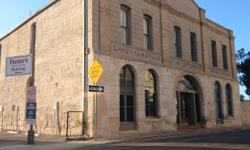
Seriously injured in a San Antonio accident? The insurance companies have already dispatched their adjusters and attorneys to minimize your claim—and you need an equally aggressive, experienced legal advocate fighting for maximum compensation immediately. Barton & Associates’ Personal Injury Division has recovered millions for injured victims across Bexar County—from Loop 1604 and IH-10 to Culebra Road and the South Side—delivering relentless, results-driven representation backed by decades of Texas personal injury litigation excellence.
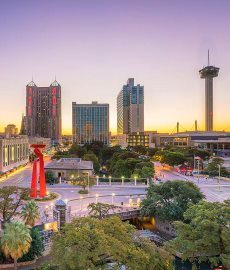






When catastrophic injuries, wrongful death or serious accident trauma strike San Antonio families, Barton & Associates’ Personal Injury Division stands as Bexar County’s most formidable advocate for injured victims demanding full, fair compensation. Our San Antonio Personal Injury Division has recovered significant verdicts and settlements for injured clients across Bexar County, including communities in Alamo Heights, Converse, Helotes and Somerset, in state and federal courts throughout South Texas. We understand Texas personal injury law, insurance bad faith tactics and maximum compensation strategy inside and out. Barton & Associates delivers board-certified personal injury expertise and aggressive insurance litigation experience.
Choosing the right San Antonio personal injury attorney directly determines the compensation you recover—and the financial security your family rebuilds upon. At Barton & Associates, our Personal Injury legal team assembles board-certified trial specialists, accomplished insurance litigation attorneys and dedicated victim advocates—each bringing verified courtroom excellence and genuine compassionate commitment to every injured Bexar County client we represent. Our attorneys hold active State Bar of Texas licensure, maintain distinguished standing within the San Antonio Bar Association and regularly appear before Bexar County civil courts and federal Western District of Texas courts handling catastrophic injury, wrongful death and complex liability matters. From Castle Hills and Windcrest to Lytle, Natalia and Pleasanton, our personal injury team fights relentlessly for every San Antonio victim’s maximum compensation.
At Barton & Associates, our Personal Injury mission is unwavering: level the playing field between seriously injured San Antonio victims and the powerful insurance corporations systematically working to undervalue, delay and deny every legitimate injury claim filed in Bexar County. Accident victims across San Antonio—from Lackland AFB and Kelly Field to Selma, Cibolo and the greater San Antonio Hill Country communities—deserve aggressive, experienced legal representation that pursues every available dollar of maximum compensation without apology or hesitation.
San Antonio accident victims searching for personal injury representation deserve an attorney whose results are documented, verifiable, and genuinely impressive — not merely promised in advertising. At Barton & Associates, our Personal Injury Division has built a commanding track record of significant verdicts, substantial settlements, and maximum compensation recoveries for seriously injured clients throughout San Antonio, Bexar County, and surrounding communities including Boerne, Seguin, Floresville, and Hondo. Our aggressive litigation strategy, insurance company counter-tactics expertise, and comprehensive mastery of Texas personal injury law have consistently delivered life-changing financial recoveries for South Texas injury victims and their families during their most vulnerable and consequential moments.
San Antonio’s heavily trafficked IH-35, IH-10, US-281, and Loop 1604 corridors generate devastating auto and commercial truck accidents that permanently alter victims’ lives through catastrophic injuries, permanent disabilities, and crushing medical debt. Our San Antonio auto accident attorneys have recovered significant compensation for victims of rear-end collisions, wrong-way crashes, commercial trucking negligence, and drunk driving accidents throughout Bexar County. Our legal team’s sophisticated understanding of Texas commercial trucking regulations, black box data extraction, accident reconstruction methodology, and insurance policy stacking strategies has consistently produced maximum financial recoveries for injured victims and grieving families across San Antonio’s most dangerous highway corridors and residential intersections.
Property owners throughout San Antonio bear a legal duty to maintain reasonably safe conditions for visitors, customers, and guests across every commercial and residential property in Bexar County. Our personal injury attorneys have successfully recovered substantial compensation for clients injured in negligent premises liability incidents — including retail store slip and falls along San Antonio’s South Park Mall corridor, construction site accidents on the city’s rapidly expanding Northwest Side, and dangerous property condition injuries across Alamo Ranch, Stone Oak, and New Braunfels communities — holding negligent property owners fully accountable for the devastating injuries their carelessness causes.
No personal injury outcome carries greater emotional weight or legal complexity than wrongful death representation. Barton & Associates has successfully recovered significant wrongful death compensation for bereaved families across Bexar County, Kendall County, and Wilson County — providing meaningful financial accountability against negligent drivers, reckless property owners, and careless employers whose actions permanently and irreversibly devastated San Antonio families from Elmendorf and Poteet to Comfort and Kerrville communities throughout South and Central Texas.
Our San Antonio personal injury team has successfully recovered substantial third-party liability compensation for seriously injured workers across Bexar County’s construction, manufacturing, and distribution industries — pursuing maximum financial recovery beyond workers’ compensation limitations for injured employees across San Antonio’s Brooks City Base development corridor, Port San Antonio, and surrounding industrial communities.
At Barton & Associates, our San Antonio Personal Injury proven results track record represents an enduring commitment to every injured Bexar County victim whose maximum financial recovery and family’s future we have been privileged to pursue. From Bexar County civil courts through the Western District of Texas federal courts, our personal injury attorneys are consistently recognized as San Antonio’s most aggressive, strategically sophisticated, and results-driven victim advocates.When San Antonio injuries demand maximum compensation — Barton & Associates delivers it.
When powerful insurance corporations deploy their teams of adjusters, investigators, and defense attorneys to systematically minimize your San Antonio personal injury claim, matching that institutional opposition demands a comprehensively resourced, strategically superior legal team with the depth, credentials, and investigative firepower to maximize every dollar of compensation you rightfully deserve. At Barton & Associates, our San Antonio Personal Injury Division assembles precisely that — an extensive powerhouse legal team comprising board-certified trial specialists, accomplished insurance litigation attorneys, dedicated medical evidence analysts, experienced accident reconstructionists, and compassionate victim advocates working in unified strategic purpose to deliver dominant compensation outcomes for seriously injured victims throughout Bexar County and the greater San Antonio metropolitan region.
The foundational strength of the Barton & Associates San Antonio Personal Injury legal team rests on our board-certified personal injury trial specialists — attorneys holding certification from the Texas Board of Legal Specialization whose courtroom command, insurance negotiation expertise, and maximum compensation strategies have been independently verified through rigorous peer review. For San Antonio accident victims facing catastrophic injuries, permanent disabilities, or devastating wrongful death losses, this certification delivers independently confirmed assurance of exceptional personal injury trial mastery that general practice attorneys and recently licensed practitioners simply cannot credibly provide. Our certified specialists bring authoritative command of Texas negligence law, comparative fault analysis, insurance policy interpretation, and Bexar County civil court procedures to every client engagement.
What genuinely distinguishes the Barton & Associates personal injury team from single-practitioner San Antonio injury firms is our dedicated accident reconstruction and medical evidence infrastructure — a specialized investigative capability that systematically builds the most compelling, evidence-saturated compensation cases possible for injured victims across San Antonio. Our investigative team includes licensed accident reconstructionists, biomechanical injury analysts, independent medical examination specialists, life care planning consultants, and economic damages calculation experts who collaborate in precise strategic alignment with our trial attorneys to construct irrefutable liability narratives and maximize demonstrable damages for victims injured along IH-410, Wurzbach Parkway, Bandera Road, and Bexar County’s most accident-prone highway corridors and commercial intersections.
Barton & Associates maintains a uniquely powerful insurance counter-intelligence capability — attorneys and legal professionals with deep insider knowledge of how San Antonio’s most aggressive insurance carriers — including those handling commercial trucking, premises liability, and catastrophic auto accident claims — internally evaluate, negotiate, and strategically undervalue injury claims throughout Bexar County. This insider insurance intelligence translates directly into more strategically informed demand packages, more effectively countered lowball settlement offers, and more convincingly constructed jury trial presentations for injured victims across Converse, Universal City, and Schertz communities and throughout greater Bexar County.
Every Barton & Associates San Antonio personal injury client receives the full support of our experienced legal team, dedicated medical coordination professionals, and responsive client communications specialists — ensuring consistent case documentation, proactive medical treatment coordination, rigorous lien negotiation management, and transparent case progress communications for injured victims and their families from Leon Valley and Lackland City to Elmendorf, Lytle, and Devine throughout every phase of their personal injury matter.
From initial accident scene investigation through final Bexar County civil court judgment or negotiated maximum settlement, Barton & Associates deploys the complete professional depth, certified trial mastery, accident reconstruction expertise, and insurance counter-intelligence resources that seriously injured San Antonio victims deserve when their physical recovery, financial security, and family’s future are genuinely at stake. Our powerhouse personal injury legal team serves injured victims across San Antonio, Helotes, Grey Forest, Von Ormy, and every community throughout greater Bexar County with unmatched professional intensity and compassionate victim advocacy. When insurance companies minimize — Barton & Associates maximizes.
Reputation in San Antonio’s competitive personal injury legal market is not determined by billboard advertising density or television commercial frequency — it is earned through consistent maximum compensation recoveries, verified client satisfaction, genuine compassionate advocacy, and deep authentic investment in the San Antonio community that our Personal Injury Division has proudly served for decades. At Barton & Associates, our exceptional service reputation has been constructed injury victim by injury victim, settlement by settlement, and verdict by verdict across Bexar County’s civil courts and throughout South Texas’s most consequential personal injury matters.
San Antonio accident victims and their families arrive at Barton & Associates carrying physical pain, emotional devastation, mounting medical bills, and profound uncertainty about their financial future — and our Personal Injury Division meets every client at that precise moment of vulnerability with genuine compassion, immediate practical support, and unwavering professional commitment. Every injured client across San Antonio’s Woodlawn Lake, Prospect Hill, and Government Hill neighborhoods, as well as surrounding communities from Pleasanton and Kenedy to Uvalde and Crystal City, receives dedicated senior attorney access, proactive medical coordination assistance, transparent case progress communications, and a fully invested legal team that treats their injury matter with the urgency, dignity, and personalized attention every seriously injured victim genuinely deserves throughout their entire recovery and legal journey.
Barton & Associates Personal Injury attorneys have earned distinguished recognition from the San Antonio Bar Association, achieved consistent selection for respected legal peer-review excellence distinctions including Super Lawyers and Best Lawyers designations, and maintained exceptional verified client satisfaction ratings across Google Business Profile, Avvo, and Martindale-Hubbell. Our senior personal injury attorneys are regularly invited to present at Texas personal injury continuing legal education seminars, contribute authoritative commentary on evolving Texas negligence law developments, and serve in San Antonio Bar Association leadership positions — collectively reinforcing Barton & Associates’ standing as San Antonio’s most professionally respected and peer-validated Personal Injury Division.
Among the most pressing concerns for seriously injured San Antonio victims considering personal injury representation is whether they can afford experienced legal advocacy while simultaneously managing overwhelming medical expenses and lost income consequences. At Barton & Associates, our complete financial transparency policy eliminates that concern entirely. Injured victims across Bexar County, Medina County, and Zavala County receives complete transparency regarding case expenses, settlement calculations, and net recovery projections at every stage of their personal injury matter without financial surprises or hidden costs.
Our exceptional reputation extends genuinely and meaningfully beyond Bexar County courtroom performance into San Antonio’s extraordinarily diverse and vibrant civic landscape. Barton & Associates actively supports San Antonio Bar Association pro bono personal injury initiatives, contributes to Bexar County legal aid organizations serving underrepresented injury victims, participates in community traffic safety advocacy programs, and maintains authentic neighborhood engagement across San Antonio communities from Harlandale and Southcross to Terrell Hills and Alamo Heights. This genuine, sustained civic investment reflects the identical foundational values driving every client relationship — authentic integrity, demonstrated accountability, and sincere dedication to maximum justice for every San Antonio injury victim we represent regardless of their background, neighborhood, or financial circumstances.
When Bexar County residents seriously injured in auto accidents, slip and falls, workplace incidents, or wrongful death tragedies evaluate their personal injury attorney options, Barton & Associates consistently emerges as San Antonio’s most trusted, peer-validated, and client-celebrated Personal Injury Division. Our verifiable maximum compensation track record, compassionate victim-centered service experience, absolute contingency fee commitment, and authentic San Antonio community presence make us the clear, confident choice for injured victims and grieving families across San Antonio, Converse, Schertz, Seguin, and the entire greater South Texas region. San Antonio injury victims deserve maximum compensation and exceptional advocacy. Barton & Associates delivers both — without exception.
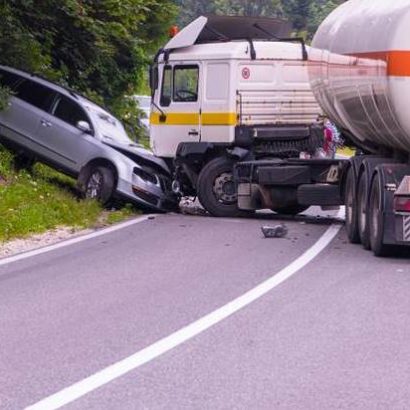
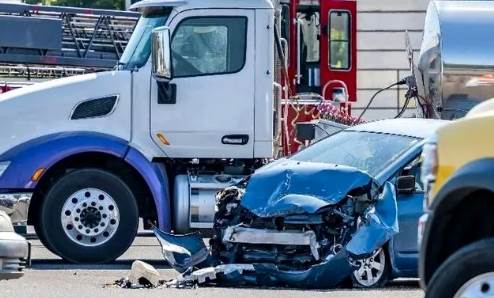
San Antonio sits at the intersection of IH-35, IH-10 and US-90—three of America’s most heavily traveled commercial trucking corridors—making Bexar County one of Texas’s most dangerous regions for catastrophic 18-wheeler and commercial truck collisions. When a negligent trucking company’s carelessness destroys your life, Barton & Associates fights back with maximum legal force. Our San Antonio trucking accident attorneys immediately deploy accident reconstructionists, preserve critical black box data, subpoena driver logs and aggressively pursue trucking company negligence, federal FMCSA violations and inadequate maintenance liability for seriously injured victims across Converse, Live Oak, Von Ormy and San Antonio’s most dangerous commercial freight corridors. Under Texas negligence law, injured victims deserve full compensation. Barton & Associates pursues every responsible party—trucking companies, insurers and contractors—relentlessly.
Seriously injured on the job in San Antonio? Texas’s unique workers’ compensation system leaves thousands of injured Bexar County workers severely undercompensated every year—and many employers deliberately exploit that system to minimize legitimate workplace injury claims. At Barton & Associates, our San Antonio workplace injury attorneys aggressively pursue every available third-party liability claim, negligent contractor lawsuit and defective equipment product liability action far beyond workers’ compensation limitations. Our legal team recovers maximum compensation for construction accident victims, manufacturing injury survivors, warehouse workers and distribution center employees injured across San Antonio’s Brooks City Base, Port San Antonio, Kelly Field Annex and rapidly expanding Northwest Side industrial and commercial development corridors. Under Texas Labor Code and negligence law, injured San Antonio workers deserve complete financial recovery. Barton & Associates pursues every responsible third party relentlessly and immediately.
Injured on someone else’s negligently maintained property in San Antonio? Texas premises liability law entitles seriously injured victims to full compensation from property owners who fail their fundamental legal duty to maintain reasonably safe conditions for visitors, customers and guests across every commercial and residential property in Bexar County. At Barton & Associates, our San Antonio premises liability attorneys aggressively pursue maximum compensation for slip and fall victims, inadequate security assault survivors, swimming pool accident injuries and dangerous property condition claims across San Antonio’s Rivercenter Mall corridor, Pearl District, Lackland City and rapidly developing Far West Side commercial and residential communities. Our legal team thoroughly investigates incident reports, surveillance footage, property maintenance records and prior violation histories—building irrefutable negligence cases that hold Bexar County property owners completely and financially accountable. Barton & Associates pursues every negligent property owner relentlessly.


Contact Barton & Associates today for a free, confidential consultation about your legal matter. Complete this form to schedule a Free Consultation, or call us at 210-500-0000 to check attorney availability for an immediate phone consultation.
We are selective about the cases we accept because we treat our clients like family—with respect, dignity and unwavering commitment. In return, we expect the same courtesy. We do not tolerate rudeness toward our staff, and we will withdraw representation from any client who exhibits inappropriate behavior, dishonesty or attempts to mislead our team.



316 W 12th St Suite 400, Austin, TX 78701

5110 Wilkinson Dr Suite 210, Corpus Christi, TX 78415

Talk to us now. Tell us about your case below for a free confidential consultation. We will reply or call to confirm. You can also call the office to check immediate attorney availability.